
Glutathione is often called the "master antioxidant" because of its central role in protecting cells from oxidative damage, supporting detoxification, and maintaining immune function. Found in every cell of your body, this tripeptide molecule has become one of the most popular IV therapies worldwide — but what does the research actually say?
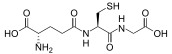
Glutathione molecular structure - composed of three amino acids
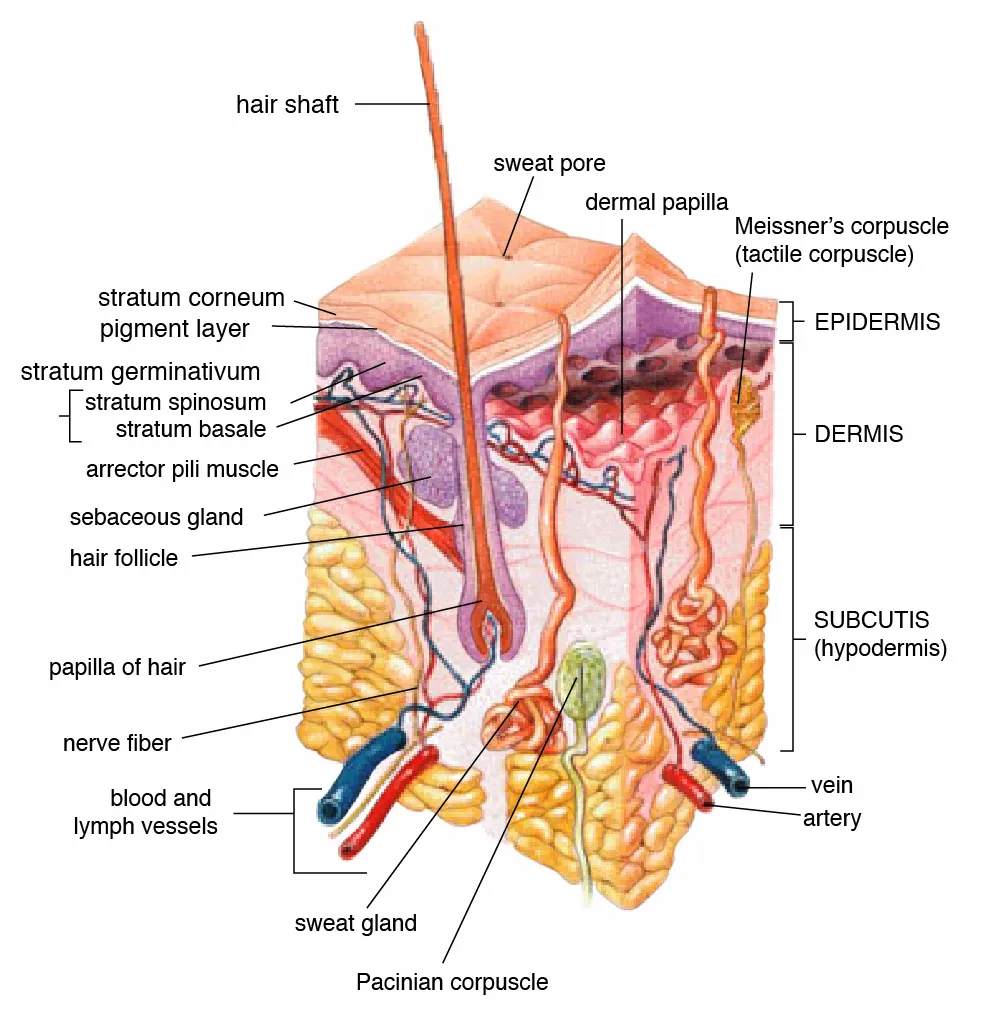
Glutathione supports skin health through antioxidant protection
What is Glutathione?
Glutathione at a Glance
- •Type: Tripeptide (three amino acids)
- •Components: Glutamate, Cysteine, Glycine
- •Location: Every cell, highest in liver
- •Primary Role: Antioxidant defense
- •Secondary Roles: Detox, immune support
- •Forms: Reduced (GSH) and Oxidized (GSSG)
Glutathione works by neutralizing free radicals — unstable molecules that can damage cells and contribute to aging and disease. Unlike most antioxidants, glutathione can regenerate other antioxidants like vitamins C and E, making it central to your body's entire antioxidant defense system.
The liver contains the highest concentrations of glutathione, where it plays a crucial role in Phase II detoxification — the process of making toxins water-soluble so they can be excreted from the body.
Key Functions in the Body
Antioxidant Defense
Neutralizes reactive oxygen species (ROS) and free radicals that cause cellular damage. Protects DNA, proteins, and lipids from oxidative stress.
Detoxification
Essential for Phase II liver detoxification. Binds to toxins, heavy metals, and harmful compounds, making them water-soluble for excretion.
Immune Function
Supports optimal function of immune cells, particularly lymphocytes. Low glutathione levels are associated with weakened immune response.
Melanin Modulation
Inhibits tyrosinase enzyme activity and may shift melanin production from darker eumelanin toward lighter pheomelanin.
Glutathione and Skin: What Does Research Say?
Important Research Context
Glutathione has gained popularity for skin brightening, but it's essential to understand what current research does and doesn't support. Below is an objective summary of the scientific evidence.
How Glutathione Affects Skin Color
Research has identified several mechanisms by which glutathione may affect skin pigmentation:
- 1.Tyrosinase inhibition: Reduces activity of the enzyme that produces melanin
- 2.Melanin shifting: May promote production of lighter pheomelanin over darker eumelanin
- 3.ROS reduction: Decreases reactive oxygen species that stimulate melanin production
Clinical Trial Evidence
Positive Finding
Research by Zubair et al. reported that 37.5% of participants receiving 1200mg IV glutathione twice weekly for six weeks reported lighter skin compared to 18.7% in the placebo group.
Important Limitation
These effects were short-lived, with benefits fading after six months. Long-term effects appear unsustainable — skin color returns to its original state following withdrawal of glutathione.
Additional Benefits
Studies showed glutathione may improve skin elasticity and reduce wrinkles as secondary cosmetic benefits.
Research Limitations
Current research has several limitations that should be considered:
- • Trials have numerous methodological limitations
- • Sample sizes are generally small
- • No standardized dosing protocols exist for IV administration
- • Long-term efficacy remains questionable
- • The U.S. FDA has not approved glutathione for skin whitening
- • Philippines FDA issued warnings about off-label IV use for skin lightening
Other Potential Benefits of Glutathione
Beyond skin applications, glutathione's role as the body's master antioxidant supports multiple health functions:
Liver Support
Supports liver detoxification pathways and may help protect against environmental toxins and oxidative stress.
Athletic Recovery
May help reduce exercise-induced oxidative stress and support faster muscle recovery.
Brain Health
Protects neurons from oxidative damage. Low levels associated with various neurological conditions.
Cardiovascular
Antioxidant protection for blood vessels. May support healthy cardiovascular function.
Immune Support
Essential for optimal lymphocyte function and overall immune system performance.
Energy Production
Protects mitochondria from oxidative damage, supporting cellular energy production.
IV vs. Oral Glutathione
One of the key debates in glutathione supplementation is the delivery method. Here's how IV compares to oral forms:
| Factor | IV Glutathione | Oral Glutathione |
|---|---|---|
| Bioavailability | 100% enters bloodstream | Limited — broken down in gut |
| Speed of Action | Rapid — immediate blood levels | Slow — if absorbed at all |
| Convenience | Requires professional administration | Daily capsules at home |
| Cost | Higher per session | Lower ongoing cost |
| Research Support | Limited clinical trials | More studies available |
Alternative: Liposomal Glutathione
Liposomal formulations encapsulate glutathione in lipid spheres, potentially improving oral absorption. Some research suggests this may be a middle ground between standard oral supplements and IV administration.
Safety Considerations
Generally Well-Tolerated
- ✓ Glutathione is naturally produced by the body
- ✓ Topical and oral forms show good safety profiles
- ✓ Short-term IV use typically well-tolerated
- ✓ No serious adverse effects in most studies
Potential Concerns
- • 32% of participants in one study experienced adverse events
- • Rare cases of liver dysfunction reported
- • Anaphylaxis reported in rare cases
- • No standardized dosing protocols exist
Who Should Avoid or Use Caution
- • Those with known allergies to glutathione or its components
- • People with liver conditions (consult physician first)
- • Pregnant or breastfeeding women (insufficient safety data)
- • Those taking certain medications (potential interactions)
What to Expect from Glutathione IV Therapy
Quick Consultation
Our nurse reviews your health history to ensure glutathione is appropriate for you and discusses your goals for treatment.
15-30 Minute Infusion
Glutathione infusions are relatively quick compared to other IV therapies. The session is comfortable and you can relax during treatment.
Possible Sensations
Some people notice a sulfur taste or smell during infusion — this is normal as cysteine (a component of glutathione) contains sulfur. Mild flushing may occur.
After Treatment
You can resume normal activities immediately. Some people report feeling more energized or mentally clear, though effects vary by individual.
Setting Realistic Expectations
What Glutathione IV Can and Cannot Do
May Help With
- ✓Providing antioxidant support
- ✓Supporting liver detoxification
- ✓Temporary skin brightness (short-term)
- ✓General wellness and immune support
Will Not
- ✗Permanently change your skin color
- ✗Replace a healthy diet and lifestyle
- ✗Cure or treat medical conditions
- ✗Provide miraculous overnight results
Interested in Glutathione IV in Bali?
Our licensed medical team offers glutathione infusions at your villa, hotel, or accommodation. Contact us for a consultation to discuss if glutathione therapy aligns with your wellness goals.
Inquire About Glutathione IV