Introduction to IV Therapy Safety
Intravenous (IV) therapy has been a cornerstone of medical treatment for over a century, with the first successful IV infusion recorded in 1832 during a cholera epidemic[1]. Today, IV therapy is one of the most commonly performed medical procedures worldwide, with over 80% of hospitalized patients receiving some form of IV treatment[2].
When administered by qualified healthcare professionals following established protocols, IV therapy is considered very safe[3]. However, like any medical procedure, it carries potential risks that can be minimized through proper technique, sterile practices, and patient assessment[4].
This guide provides comprehensive information about IV therapy safety, helping you understand what to look for when choosing a provider and what to expect during treatment.

Intravenous therapy setup in a clinical setting. IV therapy is one of the most common medical procedures worldwide. Source: Wikimedia Commons
How IV Therapy Works
Intravenous therapy delivers fluids, medications, vitamins, and minerals directly into the bloodstream through a small catheter inserted into a vein[5]. This route bypasses the digestive system, providing 100% bioavailability compared to 20-50% for oral supplements[6].
The IV catheter is typically placed in a peripheral vein, most commonly in the forearm, hand, or antecubital fossa (inner elbow)[7]. Modern IV catheters are made from biocompatible materials like polyurethane or Teflon that minimize vessel irritation[8].
Types of IV Therapy
- Crystalloid Solutions: Isotonic solutions like normal saline (0.9% NaCl) and lactated Ringer's for hydration[9]
- Vitamin Infusions: High-dose vitamins (B-complex, C, D) and minerals (magnesium, zinc) for wellness[10]
- Medication Administration: Antibiotics, anti-nausea medications, pain relief[11]
- Nutrient Therapy: Amino acids, glutathione, and other therapeutic compounds[12]
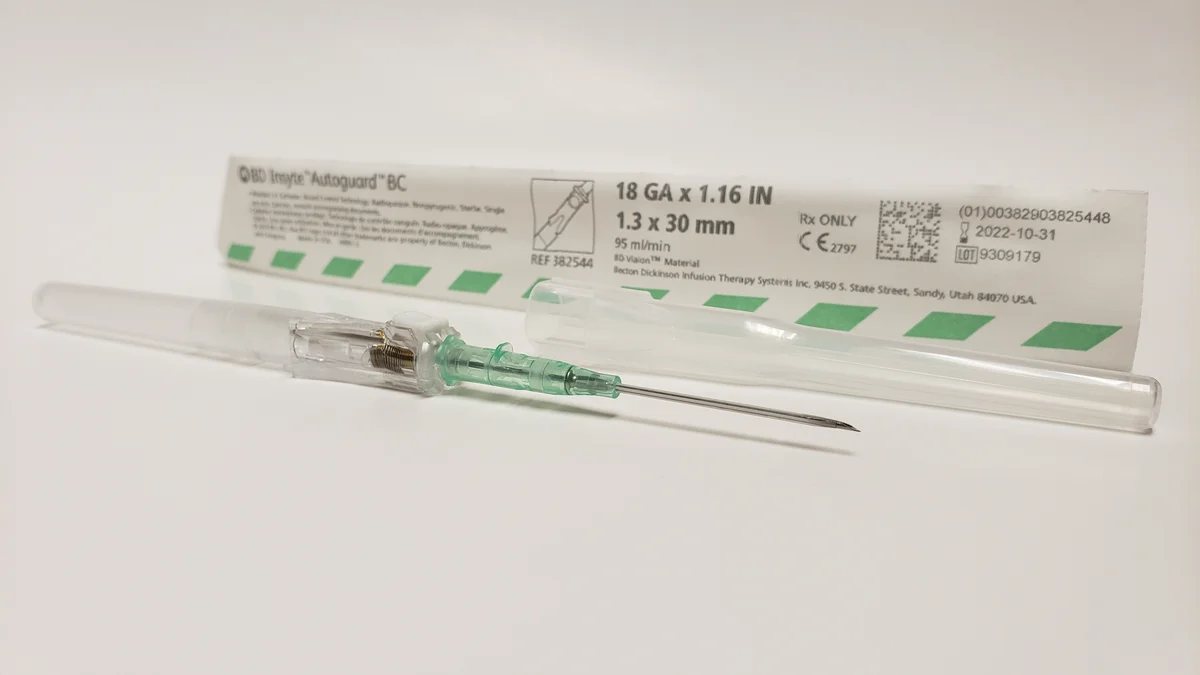
Modern IV catheters are made from biocompatible materials that minimize vessel irritation and infection risk. Source: Wikimedia Commons
Medical Certifications & Licensing
IV therapy must be administered by licensed healthcare professionals who have received specific training in venipuncture and IV administration[13]. In Indonesia, this includes licensed doctors (Surat Izin Praktik/SIP), nurses (Surat Tanda Registrasi/STR), and midwives under physician supervision[14].
Essential Certifications to Verify:
- Medical License: SIP (Surat Izin Praktik) for doctors, STR for nurses
- IV Certification: Specific training in peripheral IV insertion and management
- Basic Life Support (BLS): CPR and emergency response certification[15]
- Advanced Cardiac Life Support (ACLS): For handling severe allergic reactions[16]
- BPOM Compliance: Using medications approved by Indonesian FDA equivalent
The Infusion Nurses Society (INS) publishes international standards for infusion therapy practice that are recognized globally[17]. These standards cover everything from catheter selection to patient monitoring protocols.
Sterile Protocols & Procedures
Infection prevention is the cornerstone of safe IV therapy. The Centers for Disease Control and Prevention (CDC) has established comprehensive guidelines for preventing intravascular catheter-related infections[18].
Hand Hygiene
Healthcare providers must perform hand hygiene before and after every patient contact, using either alcohol-based hand rub or soap and water[19]. The WHO "5 Moments for Hand Hygiene" framework is the gold standard[20].
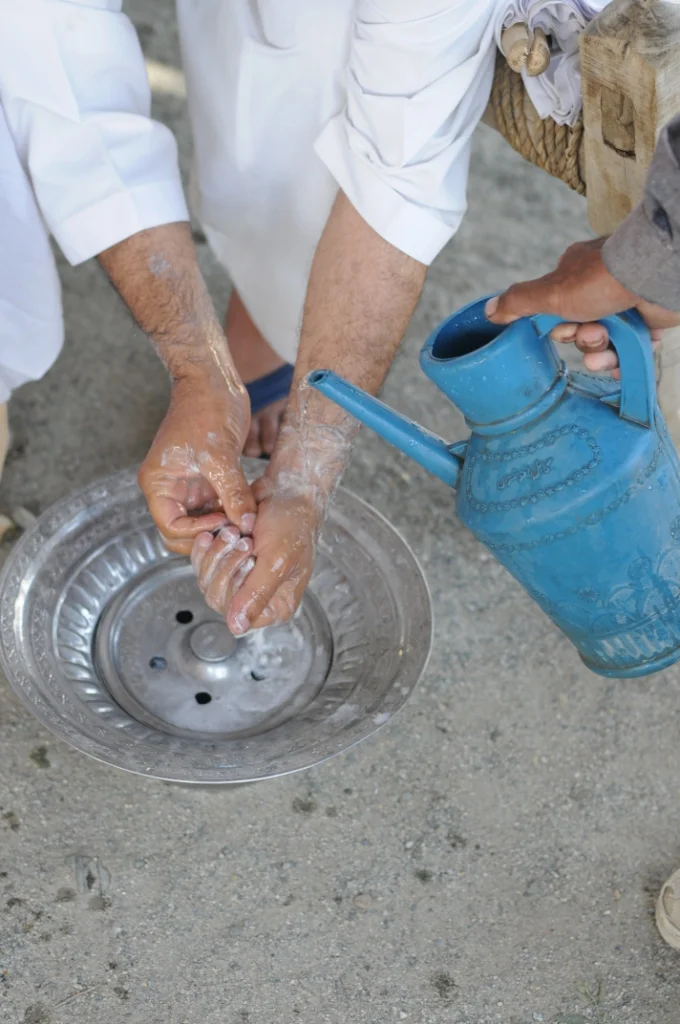
Proper hand hygiene is essential before any IV procedure. The WHO recommends handwashing for at least 20 seconds. Source: Wikimedia Commons
Skin Antisepsis
The insertion site must be cleaned with appropriate antiseptic solution. Chlorhexidine-based preparations (greater than 0.5% in alcohol) are preferred over povidone-iodine due to superior efficacy[21]. The antiseptic must be allowed to dry completely before catheter insertion.
Aseptic Technique
IV catheters and administration sets must be handled using aseptic non-touch technique (ANTT)[22]. All equipment must remain sterile until the moment of use. Single-use disposable items should never be reused.
Equipment Standards
All IV solutions, catheters, and administration sets must be individually packaged, sterile, and within their expiration date[23]. Visual inspection for particulate matter, discoloration, or package damage is mandatory before use.
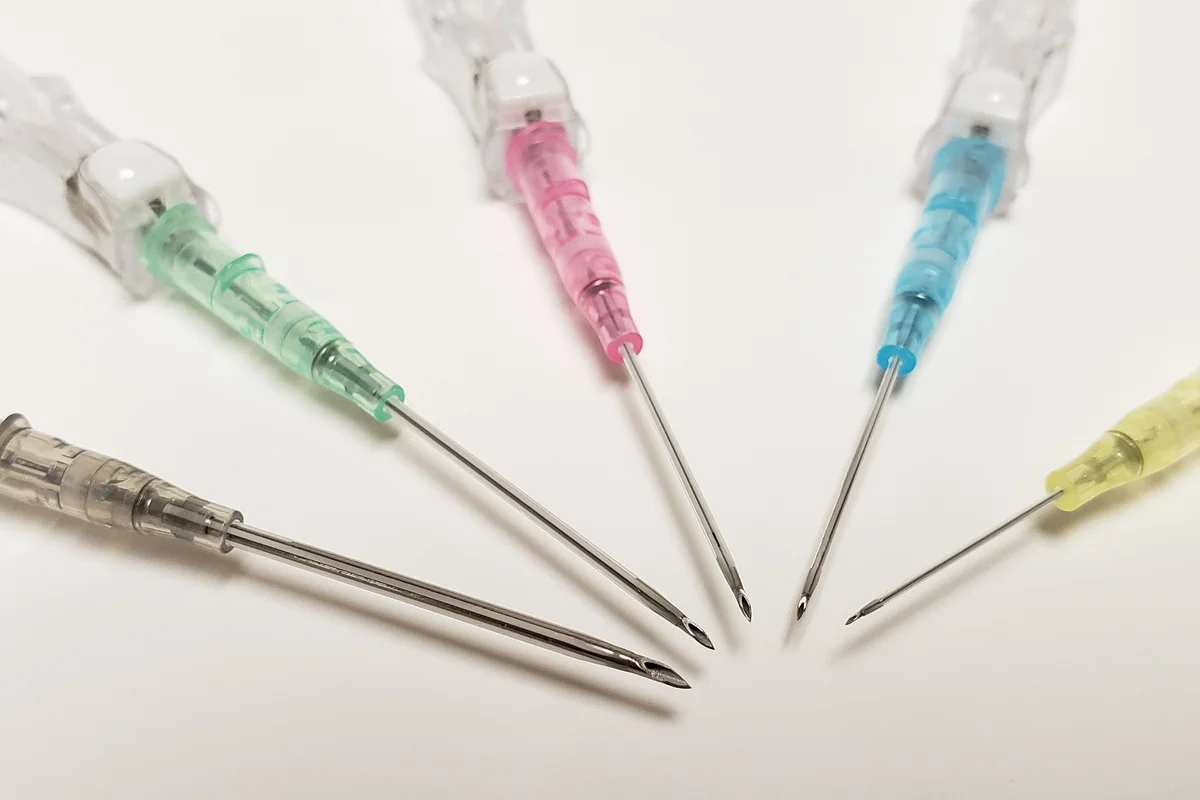
All IV equipment must be sterile, individually packaged, and within expiration date. Single-use items should never be reused. Source: Wikimedia Commons
Potential Risks & Side Effects
While IV therapy is generally safe when properly administered, patients should be informed about potential risks. Most complications are minor and easily managed when detected early[24].
Common Minor Side Effects (5-10% of patients)
- Bruising at insertion site: Minor hematoma that resolves within 1-2 weeks[25]
- Mild discomfort: Brief stinging sensation during insertion
- Cool sensation: Feeling of coolness as fluids enter the bloodstream
- Taste changes: Some vitamins (especially B-complex) may cause temporary metallic taste[26]
Less Common Complications (1-5% of patients)
- Phlebitis: Inflammation of the vein causing redness, warmth, and tenderness[27]
- Infiltration: Fluid leaking into surrounding tissue, causing swelling[28]
- Mild allergic reaction: Localized itching or rash at infusion site
Rare Serious Complications (less than 0.1%):
- Infection: Catheter-related bloodstream infection when protocols not followed[29]
- Air embolism: Air entering bloodstream - extremely rare with modern equipment[30]
- Anaphylaxis: Severe allergic reaction requiring immediate treatment[31]
- Fluid overload: Primarily a risk in patients with heart or kidney conditions[32]
Contraindications
Certain medical conditions require careful evaluation before IV therapy. A thorough medical history and assessment is essential to identify contraindications and adjust treatment accordingly[33].
Absolute Contraindications
- Known allergy to any component of the IV solution
- Active cellulitis or infection at potential insertion sites
- Uncontrolled severe hypertension
- Severe heart failure (fluid overload risk)
- Severe kidney disease (electrolyte management required)
Relative Contraindications (Require Medical Evaluation)
- Pregnancy (some vitamins require dose adjustment)
- Diabetes (blood sugar monitoring may be needed)
- Bleeding disorders or anticoagulant therapy
- G6PD deficiency (affects vitamin C dosing)
- Kidney disease (requires careful fluid and electrolyte management)
- Hemochromatosis (iron overload condition)
Questions About IV Therapy Safety?
Our licensed medical team is happy to discuss your health history and answer any safety questions before treatment.
How to Choose a Safe IV Therapy Provider
When selecting an IV therapy provider, especially while traveling, it's important to verify their credentials and practices. Here are key factors to evaluate:
1. Verify Medical Licensing
Request to see the healthcare provider's medical license and certifications. In Indonesia, doctors should have a valid SIP (Surat Izin Praktik) and nurses should have STR (Surat Tanda Registrasi). Don't hesitate to ask - legitimate providers will be happy to show credentials.
2. Check for Medical Assessment Process
Reputable providers will conduct a health assessment before treatment, including medical history, allergies, current medications, and vital signs. Avoid providers who offer IV therapy without any medical evaluation.
3. Observe Sterile Practices
Watch for proper hand hygiene, skin antisepsis, use of gloves, and sterile equipment handling. All supplies should be opened in front of you from sealed, single-use packages.
4. Emergency Preparedness
Ask about emergency protocols. Providers should have epinephrine available for allergic reactions, oxygen equipment, and BLS/ACLS-certified staff[34].
5. Transparent Pricing & Ingredients
Legitimate providers will clearly explain what's in each IV formulation and provide transparent pricing. Be wary of vague descriptions or reluctance to disclose ingredients.
What to Expect During Treatment
Understanding the treatment process helps patients feel more comfortable and enables them to identify if anything seems irregular.
Standard IV Therapy Process:
- 1. Health Assessment (5-10 minutes): Review of medical history, current symptoms, allergies, and medications. Vital signs measurement (blood pressure, pulse).
- 2. Treatment Selection: Based on assessment, the appropriate IV formulation is selected and explained to you.
- 3. Preparation: Provider performs hand hygiene, gathers sterile supplies, and prepares the IV solution.
- 4. Insertion: A tourniquet is applied, the site is cleaned with antiseptic, and the IV catheter is inserted.
- 5. Infusion (20 minutes): The IV solution is administered at a controlled rate with monitoring.
- 6. Completion: The catheter is removed, pressure is applied, and post-treatment instructions are provided.
Our Safety Standards at IV Drip Bali 24
At IV Drip Bali 24, patient safety is our highest priority. We adhere to international standards for IV therapy administration and maintain rigorous protocols.
Our Commitments:
- All staff hold valid Indonesian medical licenses (SIP/STR)
- BLS and ACLS certified team members
- All IV solutions approved by Indonesian BPOM
- CDC guideline-compliant infection prevention
- Single-use disposable equipment only
- Emergency medication kit with epinephrine on every visit
- Direct line to emergency services and hospital referral network
References
[1] Cosnett, J. E. (1989). "The origins of intravenous fluid therapy." The Lancet, 333(8641), 768-771. PubMed
[2] Moureau, N. L. (2019). "Vessel Health and Preservation: The Right Approach for Vascular Access." Springer International Publishing.
[3] Infusion Nurses Society. (2021). "Infusion Therapy Standards of Practice." Journal of Infusion Nursing, 44(1S), S1-S224. PubMed
[4] Helm, R. E., et al. (2015). "Accepted but unacceptable: peripheral IV catheter failure." Journal of Infusion Nursing, 38(3), 189-203. PubMed
[5] Weinstein, S. M., & Hagle, M. E. (2014). "Plumer's Principles and Practice of Infusion Therapy." Lippincott Williams & Wilkins, 9th edition.
[6] Padayatty, S. J., et al. (2004). "Vitamin C pharmacokinetics: implications for oral and intravenous use." Annals of Internal Medicine, 140(7), 533-537. PubMed
[7] Dougherty, L., & Lister, S. (2015). "The Royal Marsden Manual of Clinical Nursing Procedures." Wiley-Blackwell, 9th edition.
[8] Rickard, C. M., et al. (2012). "Routine versus clinically indicated replacement of peripheral intravenous catheters." Lancet, 380(9847), 1066-1074. PubMed
[9] Myburgh, J. A., & Mythen, M. G. (2013). "Resuscitation fluids." New England Journal of Medicine, 369(13), 1243-1251. PubMed
[10] Gaby, A. R. (2002). "Intravenous nutrient therapy: the 'Myers' Cocktail." Alternative Medicine Review, 7(5), 389-403. PubMed
[11] Rello, J., et al. (2016). "Treatment of acute infections." Critical Care Medicine, 44(10), 1891-1898.
[12] Allen, J., et al. (2018). "Parenteral glutathione supplementation." Journal of Alternative and Complementary Medicine, 24(5), 527-533.
[13] American Nurses Association. (2016). "Position Statement: The Right to Safe, Accessible Healthcare."
[14] Indonesian Medical Council. (2022). "Medical Practice Registration Guidelines." Konsil Kedokteran Indonesia.
[15] American Heart Association. (2020). "BLS Provider Manual." AHA Guidelines.
[16] American Heart Association. (2020). "ACLS Provider Manual." AHA Guidelines.
[17] Gorski, L. A., et al. (2021). "Infusion Therapy Standards of Practice 8th Edition." Journal of Infusion Nursing, 44(1S). PubMed
[18] O'Grady, N. P., et al. (2011). "Guidelines for the prevention of intravascular catheter-related infections." CDC/HICPAC Guidelines. CDC
[19] World Health Organization. (2009). "WHO Guidelines on Hand Hygiene in Health Care." WHO
[20] Sax, H., et al. (2007). "My five moments for hand hygiene: a user-centred design approach." Journal of Hospital Infection, 67(1), 9-21. PubMed
[21] Mimoz, O., et al. (2015). "Skin antisepsis with chlorhexidine-alcohol versus povidone iodine-alcohol." Lancet, 386(10008), 2069-2077. PubMed
[22] Rowley, S., & Clare, S. (2019). "ANTT: an essential tool for effective blood culture collection." British Journal of Nursing, 28(14), S16-S19. PubMed
[23] US Pharmacopeia. (2021). "USP General Chapter 797: Pharmaceutical Compounding - Sterile Preparations."
[24] Loveday, H. P., et al. (2014). "Epic3: national evidence-based guidelines for preventing healthcare-associated infections." Journal of Hospital Infection, 86(Suppl 1), S1-S70. PubMed
[25] Ray-Barruel, G., et al. (2014). "Infusion phlebitis assessment measures." Journal of Evaluation in Clinical Practice, 20(2), 191-202. PubMed
[26] Ali, A., et al. (2009). "Intravenous micronutrient therapy (Myers' Cocktail) for fibromyalgia." Journal of Alternative and Complementary Medicine, 15(3), 247-257. PubMed
[27] Webster, J., et al. (2015). "Clinically-indicated replacement versus routine replacement of peripheral venous catheters." Cochrane Database of Systematic Reviews, (8), CD007798. PubMed
[28] Hadaway, L. (2007). "Infiltration and extravasation." American Journal of Nursing, 107(8), 64-72. PubMed
[29] Mermel, L. A., et al. (2009). "Clinical practice guidelines for the diagnosis and management of intravascular catheter-related infection." Clinical Infectious Diseases, 49(1), 1-45. PubMed
[30] McCarthy, C. J., et al. (2017). "Air embolism: diagnosis, clinical management and outcomes." Diagnostics, 7(1), 5. PubMed
[31] Simons, F. E. R., et al. (2015). "World Allergy Organization Guidelines for the Assessment and Management of Anaphylaxis." World Allergy Organization Journal, 8(1), 32. PubMed
[32] Perner, A., et al. (2017). "Fluid management in acute kidney injury." Intensive Care Medicine, 43(6), 807-815. PubMed
[33] Phillips, L. D., & Gorski, L. A. (2014). "Manual of IV Therapeutics: Evidence-Based Practice for Infusion Therapy." F.A. Davis Company, 6th edition.
[34] Resuscitation Council UK. (2021). "Emergency treatment of anaphylactic reactions: Guidelines for healthcare providers." RCUK
Related Articles
Hangover Recovery Guide
Science-based IV therapy solutions for hangover relief.
Bali Belly Treatment Guide
Complete guide to preventing and treating traveler's diarrhea.
Dehydration in Tropical Climates
Understanding and preventing dehydration in Bali's climate.
Medical Disclaimer
This article is for informational and educational purposes only and does not constitute medical advice. The information provided is based on published medical research and clinical guidelines but should not replace consultation with qualified healthcare professionals. Always seek the advice of your physician or other qualified health provider with any questions you may have regarding a medical condition.