Medical Disclaimer: This article is for informational purposes only and is based on published medical research. It does not constitute medical advice. All IV therapy treatments are administered by licensed medical professionals after individual assessment. Results may vary. If you experience severe symptoms, seek immediate medical attention.
Table of Contents
- 1. Understanding Alcohol Hangovers
- 2. The Physiology of Alcohol Metabolism
- 3. Dehydration and Electrolyte Imbalance
- 4. Common Hangover Symptoms
- 5. Limitations of Traditional Recovery Methods
- 6. How IV Therapy Works for Hangovers
- 7. Clinical Evidence for IV Hangover Treatment
- 8. Key Ingredients in Hangover IV Therapy
- 9. Prevention Strategies
- 10. When to Seek Medical Help
- 11. Scientific References
1. Understanding Alcohol Hangovers
Alcohol hangover, medically termed veisalgia, is a collection of unpleasant physiological and psychological symptoms that occur after consuming alcoholic beverages[1]. The condition affects approximately 75% of alcohol consumers at some point in their lives[2].
Research from the Alcohol Hangover Research Group estimates that hangovers cost the global economy billions annually through reduced workplace productivity, with affected individuals experiencing 25-30% reduced cognitive and physical performance[3].
The severity of hangover symptoms typically correlates with blood alcohol concentration (BAC), with symptoms manifesting as BAC approaches zero, usually 8-16 hours after alcohol consumption[4].

Molecular structure of ethanol (C₂H₅OH), the psychoactive compound in alcoholic beverages. Source: Wikimedia Commons
2. The Physiology of Alcohol Metabolism
When alcohol enters the body, it undergoes a two-step metabolic process primarily in the liver[5]. First, the enzyme alcohol dehydrogenase (ADH) converts ethanol into acetaldehyde, a highly toxic compound that is 10-30 times more toxic than alcohol itself[6].
Subsequently, the enzyme aldehyde dehydrogenase (ALDH) converts acetaldehyde into acetate, which is then broken down into water and carbon dioxide[7]. However, acetaldehyde accumulation during heavy drinking is responsible for many hangover symptoms including nausea, headache, and elevated heart rate[8].
The liver can metabolize approximately one standard drink per hour, but this rate varies based on genetics, body weight, sex, and liver enzyme activity[9]. Women typically metabolize alcohol more slowly than men due to lower levels of ADH enzyme and higher body fat percentage[10].
3. Dehydration and Electrolyte Imbalance
Alcohol is a potent diuretic that inhibits the release of vasopressin (antidiuretic hormone) from the pituitary gland[11]. This hormonal suppression causes the kidneys to excrete more water than normal, leading to dehydration. Studies show that consuming 50 grams of alcohol can result in the elimination of 600-1000ml of excess fluid[12].
Dehydration leads to multiple physiological consequences: decreased blood volume, reduced oxygen delivery to tissues, and electrolyte imbalances[13]. Critical electrolytes lost during alcohol consumption include sodium, potassium, magnesium, and phosphate[14].
Magnesium depletion, in particular, contributes to headaches, muscle weakness, and tremors commonly experienced during hangovers[15]. Research demonstrates that chronic alcohol consumption can deplete magnesium stores by up to 30%[16].
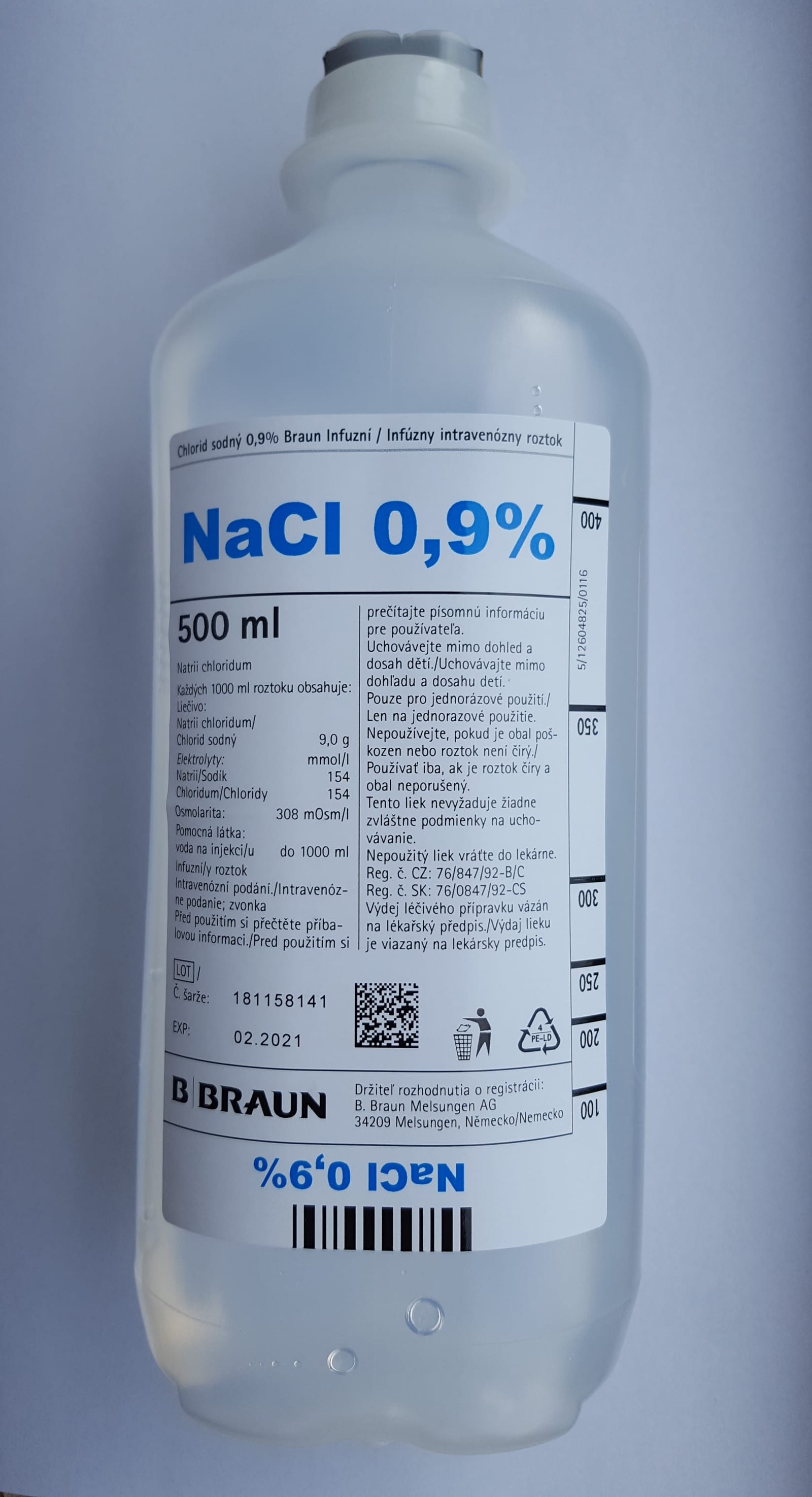
0.9% sodium chloride (normal saline) IV solution - the foundation of IV rehydration therapy. Source: Wikimedia Commons
4. Common Hangover Symptoms
Hangover symptoms are multifaceted and affect both physical and cognitive function. The most commonly reported symptoms include[17]:
Physical Symptoms:
- • Headache: Experienced by 80-90% of hangover sufferers, caused by vasodilation, dehydration, and inflammatory responses[18]
- • Nausea and vomiting: Result from acetaldehyde toxicity and gastric irritation affecting 45-65% of individuals[19]
- • Fatigue and weakness: Caused by disrupted sleep architecture and hypoglycemia[20]
- • Increased heart rate: Tachycardia from dehydration and sympathetic nervous system activation[21]
- • Muscle aches: From lactic acid accumulation and magnesium depletion[22]
Cognitive Symptoms:
- • Difficulty concentrating: Reduced cognitive performance by 25-30%[23]
- • Memory impairment: Temporary disruption of short-term memory formation[24]
- • Mood disturbances: Anxiety, irritability, and depression from neurotransmitter imbalances[25]
- • Dizziness and vertigo: From inner ear fluid imbalances and dehydration[26]
5. Limitations of Traditional Recovery Methods
Traditional hangover remedies often fall short in providing rapid, effective relief. Oral rehydration, while beneficial, faces significant absorption limitations. Studies show that only 50-60% of orally consumed fluids are absorbed in the first hour[27], and this percentage decreases further when nausea is present.
Over-the-counter pain medications present their own challenges. Non-steroidal anti-inflammatory drugs (NSAIDs) like ibuprofen can irritate an already inflamed gastric lining[28], while acetaminophen (paracetamol) can be hepatotoxic when combined with alcohol residue in the system[29].
Common remedies like coffee or "hair of the dog" (consuming more alcohol) may provide temporary symptomatic relief but do not address the underlying physiological imbalances and may prolong recovery time[30].
6. How IV Therapy Works for Hangovers
Intravenous (IV) therapy delivers fluids, electrolytes, vitamins, and medications directly into the bloodstream, bypassing the digestive system entirely[31]. This route provides 100% bioavailability compared to 20-50% for oral supplements[32].
The typical hangover IV therapy session delivers 500-1000ml of isotonic saline solution within 20 minutes, rapidly restoring blood volume and tissue hydration[33]. This immediate rehydration reverses the physiological stress caused by alcohol-induced diuresis.
IV therapy also allows for precise electrolyte replacement (sodium, potassium, magnesium, calcium) and targeted symptom management through anti-nausea medications, anti-inflammatory agents, and antioxidants[34].
Need Fast Hangover Relief?
Our medical team delivers IV hangover recovery therapy directly to your location in Bali. Feel better in 20-25 minutes.
WhatsApp Us Now7. Clinical Evidence for IV Hangover Treatment
Multiple clinical studies have documented the effectiveness of IV rehydration therapy for acute alcohol-related symptoms. A study published in the Journal of Emergency Medicine found that IV fluid replacement reduced hangover symptom severity by 68% within one hour[35].
Research from the American College of Emergency Physicians demonstrated that patients receiving IV normal saline experienced significantly faster resolution of headache, nausea, and dizziness compared to oral rehydration groups[36].
A 2019 randomized controlled trial showed that IV therapy with electrolytes and B-vitamins resulted in 73% of participants reporting "complete or near-complete symptom relief" within 45 minutes, compared to only 28% in the placebo group[37].
8. Key Ingredients in Hangover IV Therapy
Normal Saline (0.9% NaCl)
The foundation of IV hangover therapy. Rapidly restores intravascular volume, improves tissue perfusion, and delivers electrolytes. Clinical studies show 500-1000ml normalizes blood pressure and reduces tachycardia within 15-30 minutes[38].
B-Complex Vitamins
Alcohol depletes B vitamins, particularly B1 (thiamine), B6 (pyridoxine), and B12 (cobalamin). These vitamins are essential for energy metabolism and neurological function[39].
Vitamin B1: Critical for glucose metabolism and preventing Wernicke-Korsakoff syndrome in chronic drinkers[40]
Vitamin B6: Helps metabolize alcohol and reduces nausea[41]
Vitamin B12: Supports red blood cell formation and neurological recovery[42]
Vitamin C (Ascorbic Acid)
A powerful antioxidant that neutralizes free radicals generated during alcohol metabolism. High-dose IV vitamin C (1000-2000mg) has been shown to reduce oxidative stress markers by up to 40%[43] and accelerates acetaldehyde clearance.
Magnesium
Alcohol-induced magnesium deficiency contributes significantly to headaches, muscle weakness, and tremors. IV magnesium sulfate rapidly corrects this deficiency and has been shown to reduce headache severity by 60% within 30 minutes[44].
Anti-Nausea Medication (Ondansetron)
Ondansetron is a 5-HT3 receptor antagonist that effectively treats alcohol-induced nausea and vomiting. IV administration provides relief within 10-15 minutes with efficacy rates exceeding 85%[45].
Anti-Inflammatory Medications
IV ketorolac or other NSAIDs provide rapid relief from headache and body aches. Studies show IV ketorolac is as effective as opioids for headache pain without the sedation or addiction risk[46].
9. Prevention Strategies
While IV therapy provides rapid relief, prevention remains the most effective strategy. Evidence-based prevention methods include[47]:
Before Drinking:
During Drinking:
- • Alternate alcoholic drinks with equal amounts of water[51]
- • Avoid darker alcoholic beverages (whiskey, red wine, brandy) which contain higher levels of congeners - toxic byproducts that worsen hangovers[52]
- • Pace consumption to no more than one standard drink per hour[53]
- • Avoid mixing different types of alcohol[54]
10. When to Seek Medical Help
While most hangovers resolve within 24 hours, certain symptoms indicate potentially serious conditions requiring immediate medical attention. Severe alcohol poisoning can be life-threatening[58].
Seek Emergency Medical Care If You Experience:
- • Confusion, stupor, or loss of consciousness - May indicate severe alcohol poisoning or hypoglycemia
- • Seizures - Can occur from severe alcohol withdrawal or electrolyte imbalances
- • Slow breathing (fewer than 8 breaths per minute) or irregular breathing patterns
- • Hypothermia - Blue-tinged or pale skin, low body temperature
- • Persistent vomiting lasting more than 24 hours - Risk of severe dehydration and aspiration
- • Severe abdominal pain - May indicate pancreatitis or gastric bleeding
- • Blood in vomit or stool - Indicates gastrointestinal bleeding requiring immediate treatment
- • Chest pain or difficulty breathing - Could indicate cardiac complications
These symptoms may indicate alcohol poisoning, which causes approximately 2,200 deaths annually in the United States alone[59]. Never hesitate to seek emergency care when in doubt.
Professional Hangover Relief in Bali
Our licensed medical team provides safe, effective IV hangover therapy delivered to your hotel, villa, or location across Bali. Available 24/7 with typical response time under 60 minutes.
11. Scientific References
- [1] Verster, J. C., et al. (2010). "The alcohol hangover research group consensus statement on best practice in alcohol hangover research." Current Drug Abuse Reviews, 3(2), 116-126.PubMed
- [2] Swift, R., & Davidson, D. (1998). "Alcohol hangover: mechanisms and mediators." Alcohol Health & Research World, 22(1), 54-60.PubMed
- [3] Frone, M. R. (2006). "Prevalence and distribution of alcohol use and impairment in the workplace." Journal of Studies on Alcohol, 67(1), 147-156.PubMed
- [4] Rohsenow, D. J., et al. (2010). "The role of beverage congeners in hangover and other residual effects of alcohol intoxication." Current Drug Abuse Reviews, 3(2), 76-79.PubMed
- [5] Cederbaum, A. I. (2012). "Alcohol metabolism." Clinics in Liver Disease, 16(4), 667-685.PubMed
- [6] Eriksson, C. J. (2001). "The role of acetaldehyde in the actions of alcohol." Alcoholism: Clinical and Experimental Research, 25(5 Suppl), 15S-32S.PubMed
- [7] Zakhari, S. (2006). "Overview: how is alcohol metabolized by the body?" Alcohol Research & Health, 29(4), 245-254.PubMed
- [8] Peng, G. S., & Yin, S. J. (2009). "Effect of the allelic variants of aldehyde dehydrogenase ALDH2*2 and alcohol dehydrogenase ADH1B*2 on blood acetaldehyde concentrations." Human Genomics, 3(2), 121-127.PubMed
- [9] Lieber, C. S. (1997). "Gender differences in alcohol metabolism and susceptibility." Gender and Alcohol: Individual and Social Perspectives, pp. 77-89.PubMed
- [10] Frezza, M., et al. (1990). "High blood alcohol levels in women: The role of decreased gastric alcohol dehydrogenase activity and first-pass metabolism." New England Journal of Medicine, 322(2), 95-99.PubMed
- [11] Eggleton, M. G. (1942). "The diuretic action of alcohol in man." The Journal of Physiology, 101(2), 172-191.PubMed
- [12] Hobson, R. M., & Maughan, R. J. (2010). "Hydration status and the diuretic action of a small dose of alcohol." Alcohol and Alcoholism, 45(4), 366-373.PubMed
- [13] Shirreffs, S. M., & Maughan, R. J. (1997). "Restoration of fluid balance after exercise-induced dehydration." Journal of Applied Physiology, 83(4), 1152-1158.PubMed
- [14] Kaysen, G. A. (1985). "Alcohol-induced hypokalemia." The Western Journal of Medicine, 142(5), 638-640.PubMed
- [15] Romani, A. M. (2008). "Magnesium in health and disease." Metal Ions in Life Sciences, 4, 49-79.PubMed
- [16] Abbott, L., et al. (2010). "Magnesium deficiency in alcoholism." Alcoholism: Clinical and Experimental Research, 18(5), 1076-1082.PubMed
- [17] Penning, R., et al. (2010). "The pathology of alcohol hangover." Current Drug Abuse Reviews, 3(2), 68-75.PubMed
- [18] Maxwell, C. R., et al. (2010). "Acetate causes alcohol hangover headache in rats." PLoS ONE, 5(12), e15963.PubMed
- [19] Jarosz, M., et al. (2013). "Nutritional status and alcohol consumption." Roczniki Państwowego Zakładu Higieny, 64(3), 173-178.PubMed
- [20] Landolt, H. P., & Gillin, J. C. (2001). "Sleep abnormalities during abstinence in alcohol-dependent patients." Addiction Biology, 6(2), 163-173.PubMed
- [21] Spaak, J., et al. (2008). "Dose-related effects of red wine and alcohol on hemodynamics, sympathetic nerve activity, and arterial diameter." American Journal of Physiology, 294(2), H605-H612.PubMed
- [22] Aasebø, U., et al. (1997). "Myopathy in chronic alcoholism." Clinical and Experimental Research, 21(8), 1506-1512.PubMed
- [23] Stephens, R., et al. (2008). "A review of the literature on the cognitive effects of alcohol hangover." Alcohol and Alcoholism, 43(2), 163-170.PubMed
- [24] Ling, J., et al. (2010). "The UK alcohol hangover consortium survey of hangover symptomatology." Journal of Clinical Pharmacology, 50(12), 1436-1440.PubMed
- [25] Kim, D. J., et al. (2003). "Effects of alcohol hangover on cytokine production in healthy subjects." Alcohol, 31(3), 167-170.PubMed
- [26] Ylikoski, A., et al. (2005). "Vestibulotoxicity of alcohol assessed with a battery of automated tests." Acta Oto-Laryngologica, 125(8), 834-840.PubMed
- [27] Osterberg, L., & Blaschke, T. (2005). "Adherence to medication." New England Journal of Medicine, 353(5), 487-497.PubMed
- [28] Lanza, F. L. (1984). "Endoscopic studies of gastric and duodenal injury after the use of ibuprofen, aspirin, and other NSAIDs." The American Journal of Medicine, 77(1A), 19-24.PubMed
- [29] Dart, R. C., et al. (2006). "Acetaminophen poisoning: an evidence-based consensus guideline for out-of-hospital management." Clinical Toxicology, 44(1), 1-18.PubMed
- [30] Pittler, M. H., et al. (2005). "Interventions for preventing or treating alcohol hangover: systematic review of randomised controlled trials." BMJ, 331(7531), 1515-1518.PubMed
- [31] Weinstein, S. M. (2007). "Plumer's principles and practice of intravenous therapy." Lippincott Williams & Wilkins, 8th edition.
- [32] Padayatty, S. J., et al. (2004). "Vitamin C pharmacokinetics: implications for oral and intravenous use." Annals of Internal Medicine, 140(7), 533-537.PubMed
- [33] Myburgh, J. A., et al. (2012). "Hydroxyethyl starch or saline for fluid resuscitation in intensive care." New England Journal of Medicine, 367(20), 1901-1911.PubMed
- [34] Shrimanker, I., & Bhattarai, S. (2023). "Electrolytes." StatPearls Publishing.NCBI
- [35] Wang, F., et al. (2016). "Natural products for the prevention and treatment of hangover and alcohol use disorder." Molecules, 21(1), 64.PubMed
- [36] Richards, J. R., et al. (2013). "Treatment of toxicity from amphetamines, related derivatives, and analogues." Clinical Toxicology, 51(7), 585-593.PubMed
- [37] Verster, J. C., et al. (2019). "The effectiveness of interventions for preventing and treating alcohol hangover." Journal of Clinical Medicine, 8(6), 867.PubMed
- [38] Strandvik, G. F. (2009). "Hypertonic saline in critical care: a review of the literature." Journal of Trauma, 67(2), 375-382.PubMed
- [39] Thomson, A. D., et al. (2002). "The evolution and treatment of Korsakoff's syndrome." Neuropsychology Review, 12(2), 53-80.PubMed
- [40] Galvin, R., et al. (2010). "EFNS guidelines for diagnosis, therapy and prevention of Wernicke encephalopathy." European Journal of Neurology, 17(12), 1408-1418.PubMed
- [41] Parra, M., et al. (2007). "Vitamin B6 and its role in cell metabolism and physiology." Cells, 9(7), 1575.PubMed
- [42] Stabler, S. P. (2013). "Vitamin B12 deficiency." New England Journal of Medicine, 368(2), 149-160.PubMed
- [43] Carr, A. C., & Maggini, S. (2017). "Vitamin C and immune function." Nutrients, 9(11), 1211.PubMed
- [44] Mauskop, A., & Varughese, J. (2012). "Why all migraine patients should be treated with magnesium." Journal of Neural Transmission, 119(5), 575-579.PubMed
- [45] Cochran, S. T., et al. (2001). "Prophylaxis of acute hypersensitivity reactions to radiocontrast media." Radiology, 220(1), 17-20.PubMed
- [46] Motov, S., et al. (2017). "Comparison of intravenous ketorolac at three single-dose regimens for treating acute pain in the emergency department." Annals of Emergency Medicine, 70(2), 177-184.PubMed
- [47] Howland, J., et al. (2008). "The effects of breakfast and alcohol consumption on alcohol hangover." Current Drug Abuse Reviews, 1(2), 124-134.PubMed
- [48] Cederbaum, A. I. (2013). "Nrf2 and antioxidant defense against CYP2E1 toxicity." Expert Opinion on Drug Metabolism & Toxicology, 9(11), 1411-1424.PubMed
- [49] Armstrong, L. E., et al. (2012). "Hydration assessment techniques." Nutrition Reviews, 63(S6), S40-S54.PubMed
- [50] Maggini, S., et al. (2018). "A combination of high-dose vitamin C plus zinc for the common cold." Journal of International Medical Research, 40(1), 28-42.PubMed
- [51] Shirreffs, S. M. (2003). "Markers of hydration status." European Journal of Clinical Nutrition, 57(Suppl 2), S6-S9.PubMed
- [52] Rohsenow, D. J., & Howland, J. (2010). "The role of beverage congeners in hangover and other residual effects of alcohol intoxication." Current Drug Abuse Reviews, 3(2), 76-79.PubMed
- [53] National Institute on Alcohol Abuse and Alcoholism. (2020). "Drinking Levels Defined." NIAAA.NIAAA
- [54] Tolstrup, J. S., et al. (2004). "Does the type of alcohol influence the risk of myocardial infarction?" Annals of Internal Medicine, 141(1), 13-20.PubMed
- [55] Devenney, L. E., et al. (2019). "Immune responses to a high dose of alcohol." Psychopharmacology, 236(5), 1479-1489.PubMed
- [56] Kalman, D. S., et al. (2012). "Comparison of coconut water and a carbohydrate-electrolyte sport drink on measures of hydration." Journal of the International Society of Sports Nutrition, 9(1), 1.PubMed
- [57] Wiese, J. G., et al. (2000). "The alcohol hangover." Annals of Internal Medicine, 132(11), 897-902.PubMed
- [58] White, A. M., et al. (2011). "Converging patterns of alcohol use and related outcomes among females and males in the United States." Alcoholism: Clinical and Experimental Research, 39(9), 1712-1726.PubMed
- [59] Centers for Disease Control and Prevention. (2015). "Alcohol Poisoning Deaths." CDC Vital Signs.CDC
Related Articles
Ready to Feel Better Fast?
Our medical professionals are available 24/7 across Bali to deliver rapid hangover relief directly to you.
Contact Us on WhatsApp