Medical Disclaimer: This article is for informational purposes only and is based on published medical research. It does not constitute medical advice. Severe dehydration is a medical emergency requiring immediate professional treatment. If you experience signs of severe dehydration or heat stroke, seek emergency care immediately.
Table of Contents
- 1. Understanding Dehydration
- 2. Why Tropical Climates Increase Dehydration Risk
- 3. Physiology of Fluid Balance
- 4. Recognizing Dehydration: Symptoms by Severity
- 5. Medical Complications of Dehydration
- 6. Limitations of Oral Rehydration
- 7. IV Rehydration Therapy: How It Works
- 8. Evidence-Based Prevention Strategies
- 9. High-Risk Populations
- 10. When to Seek Emergency Care
- 11. Scientific References
1. Understanding Dehydration
Dehydration occurs when the body loses more fluids than it takes in, resulting in insufficient water to carry out normal physiological functions[1]. Water comprises approximately 60% of adult body weight and is essential for thermoregulation, nutrient transport, waste elimination, and cellular metabolism[2].
The human body continuously loses water through four primary routes: urine (1-2 liters/day), perspiration (0.5-1 liter/day in temperate climates), respiration (0.3-0.4 liters/day), and feces (0.1-0.2 liters/day)[3]. In tropical environments, sweat losses can increase dramatically to 2-3 liters per hour during physical activity[4].
Dehydration is classified by severity based on percentage of body weight lost: mild (1-2%), moderate (3-5%), and severe (greater than 5%)[5]. Even mild dehydration can impair cognitive function, mood, and physical performance[6].
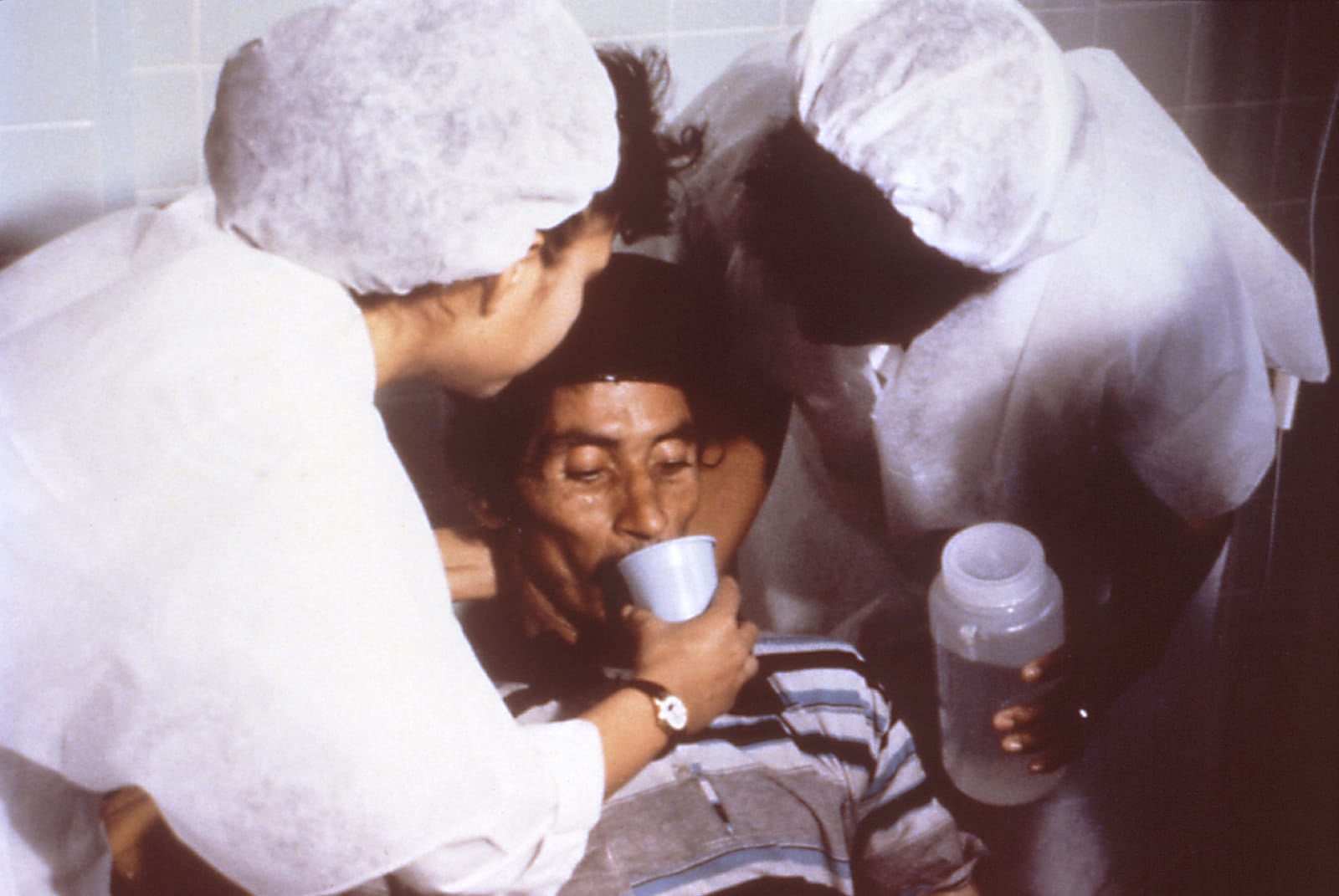
Medical rehydration therapy being administered to treat severe dehydration in a clinical setting. Source: Wikimedia Commons
2. Why Tropical Climates Increase Dehydration Risk
Tropical environments like Bali create perfect conditions for rapid dehydration through multiple mechanisms. High ambient temperatures (28-33°C year-round) combined with humidity levels of 70-90% severely impair the body's primary cooling mechanism: evaporative heat loss through sweating[7].
When humidity exceeds 60%, sweat evaporation rates decrease by 30-50%, forcing the body to produce more sweat to achieve the same cooling effect[8]. This creates a vicious cycle: the body sweats profusely but achieves minimal cooling, leading to accelerated fluid and electrolyte depletion without effective temperature regulation.
Studies of travelers to tropical destinations show that 23-40% experience symptoms of heat illness or dehydration during their first week, before acclimatization occurs[9]. Heat acclimatization—the physiological adaptation to heat stress—requires 10-14 days of gradual exposure and doesn't occur during short vacations[10].
Additional Risk Factors in Bali:
- • Alcohol consumption: Tropical destinations see increased alcohol intake, which has potent diuretic effects[11]
- • Physical activities: Surfing, diving, hiking, and beach activities increase sweat losses by 300-500%[12]
- • Inadequate fluid intake: Travelers often don't recognize thirst cues or lack access to safe drinking water[13]
- • Jet lag disruption: Circadian misalignment impairs thirst perception and fluid regulation hormones[14]
- • Gastrointestinal illness: Traveler's diarrhea causes additional fluid losses of 3-8 liters per day[15]
Proper hydration requires consistent water intake throughout the day
Clean drinking water is essential in tropical climates

Coconut water provides natural electrolyte replacement
3. Physiology of Fluid Balance

Water comprises approximately 60% of adult body weight
The body maintains fluid homeostasis through a sophisticated regulatory system involving osmoreceptors, baroreceptors, and hormonal signaling[16]. When plasma osmolality increases (becomes more concentrated), hypothalamic osmoreceptors trigger thirst and stimulate the release of antidiuretic hormone (ADH) from the posterior pituitary[17].
ADH acts on kidney collecting ducts to increase water reabsorption, concentrating urine and conserving body water[18]. Simultaneously, the renin-angiotensin-aldosterone system (RAAS) activates to conserve sodium and water when blood volume drops[19].
However, these compensatory mechanisms have limits. Once dehydration exceeds 2-3% of body weight, cognitive function declines, cardiovascular strain increases, and thermoregulation becomes impaired[20]. At 5-6% dehydration, heat exhaustion becomes likely, and beyond 10%, life-threatening heat stroke can occur[21].
4. Recognizing Dehydration: Symptoms by Severity
Mild Dehydration (1-2% body weight loss)
- • Thirst sensation[22]
- • Decreased urine output with darker color (concentrated)[23]
- • Mild headache and difficulty concentrating[24]
- • Dry lips and mouth
- • Fatigue and reduced motivation
Note: Thirst is a late indicator of dehydration. By the time you feel thirsty, you're already 1-2% dehydrated[25].
Moderate Dehydration (3-5% body weight loss)
- • Intense thirst[26]
- • Significantly reduced urine output (oliguria) - dark yellow or amber colored[27]
- • Dizziness and lightheadedness, especially when standing (orthostatic hypotension)[28]
- • Moderate to severe headache
- • Dry skin with decreased elasticity (skin tenting)[29]
- • Elevated heart rate (tachycardia) - typically 10-20 bpm above normal[30]
- • Weakness and muscle cramps[31]
- • Nausea
- • Impaired cognitive function (20-30% reduction in complex tasks)[32]
Severe Dehydration (greater than 5% body weight loss) - MEDICAL EMERGENCY
- • Little or no urination[33]
- • Sunken eyes[34]
- • Very dry skin, mouth, and mucous membranes
- • Rapid heart rate (tachycardia greater than 100 bpm)[35]
- • Rapid, shallow breathing
- • Low blood pressure (hypotension)[36]
- • Confusion, irritability, or altered mental status[37]
- • Severe weakness or inability to stand
- • In extreme cases: unconsciousness, seizures, or shock
⚠️ Severe dehydration requires immediate medical intervention with IV fluids. DO NOT attempt oral rehydration alone.
Feeling Dehydrated in Bali?
Don't wait for symptoms to worsen. Our medical team provides rapid IV rehydration therapy delivered to your location. Feel better in 20-25 minutes.
WhatsApp Us Now5. Medical Complications of Dehydration
Untreated dehydration can progress to serious medical complications, particularly in tropical heat where thermoregulatory demands are high.
Heat Exhaustion and Heat Stroke
Heat exhaustion occurs when dehydration impairs cardiovascular function and thermoregulation. Symptoms include profuse sweating, weakness, nausea, and core temperature of 38-40°C[38]. If untreated, it can progress to heat stroke—a life-threatening emergency with core temperature exceeding 40°C, altered mental status, and potential multi-organ failure. Heat stroke has a mortality rate of 10-50% even with treatment[39].
Kidney Dysfunction
Dehydration reduces renal blood flow and glomerular filtration rate. Severe cases can cause acute kidney injury (AKI), with studies showing that even moderate dehydration increases AKI risk by 60%[40]. Chronic dehydration may contribute to kidney stone formation and urinary tract infections[41].
Cardiovascular Stress
Dehydration decreases blood volume, forcing the heart to work harder to maintain blood pressure and perfusion. Heart rate increases 3-5 beats per minute for every 1% of body weight lost to dehydration[42]. This increased cardiac workload is particularly dangerous for those with pre-existing heart conditions.
6. Limitations of Oral Rehydration
While oral rehydration is appropriate for mild dehydration, it has significant limitations in moderate to severe cases or during active heat stress.
Absorption Constraints
The gastrointestinal tract can absorb approximately 800-1200ml of water per hour under optimal conditions[43]. However, this rate decreases by 40-60% during dehydration due to reduced splanchnic blood flow and impaired intestinal function[44].
Nausea and Vomiting
Moderate to severe dehydration commonly causes nausea, making oral intake difficult or impossible. Studies show 45-60% of moderately dehydrated individuals cannot tolerate adequate oral fluids[45].
Time to Rehydration
Complete oral rehydration from moderate dehydration takes 4-6 hours, during which symptoms persist and performance remains impaired[46]. This delay is unacceptable in heat emergencies or when rapid symptom relief is needed.
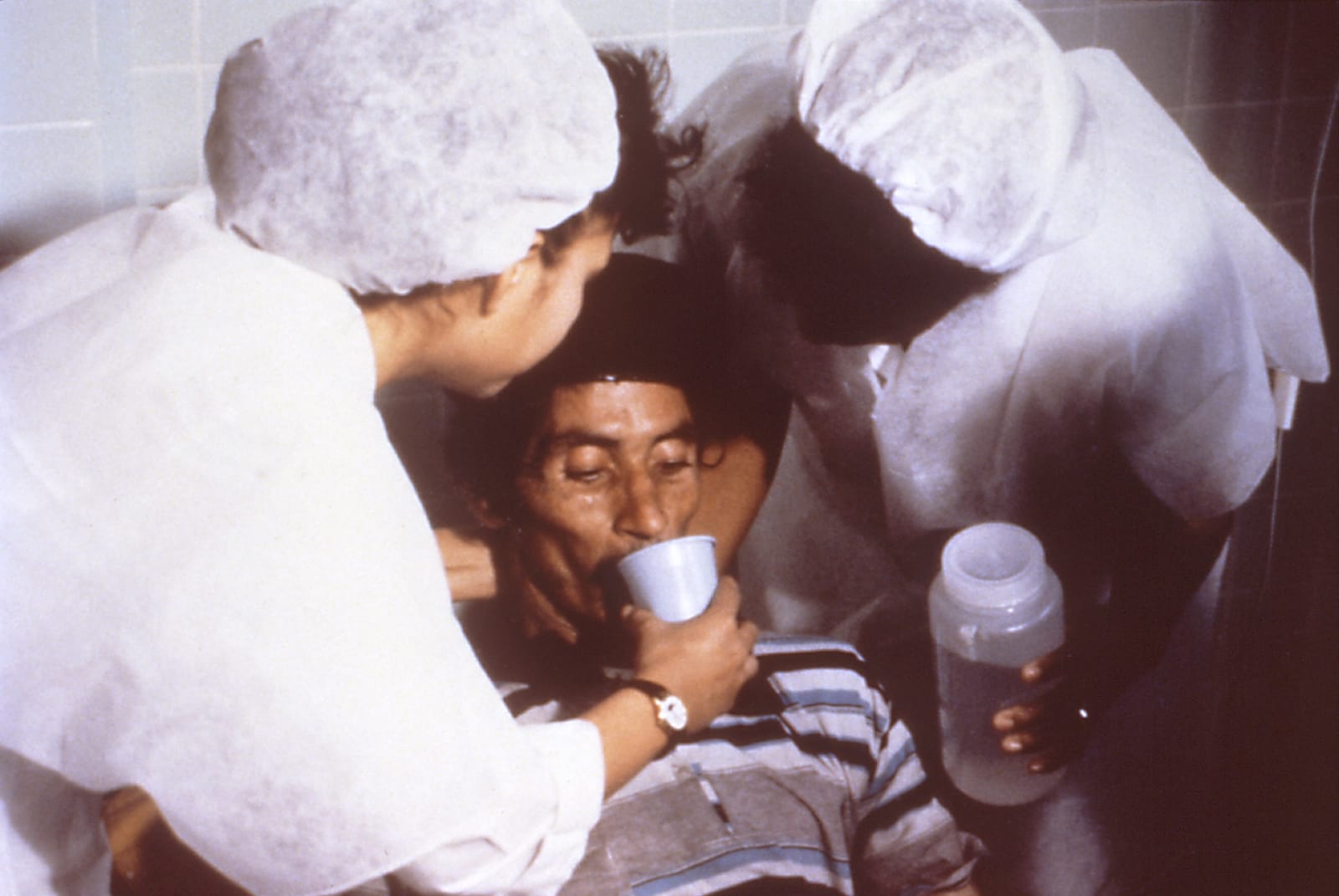
Oral rehydration therapy being administered in a clinical setting. While effective for mild cases, IV therapy provides faster relief for moderate to severe dehydration. Source: Wikimedia Commons
7. IV Rehydration Therapy: How It Works
Intravenous fluid therapy delivers fluids and electrolytes directly into the bloodstream, providing immediate volume expansion and rapid symptom relief. IV rehydration is considered the gold standard for moderate to severe dehydration[47].
Rapid Restoration of Blood Volume: IV fluids immediately increase intravascular volume, improving blood pressure, cardiac output, and tissue perfusion within 15-30 minutes[48]. This rapid response is critical for reversing cardiovascular compromise and preventing progression to shock.
Normal Saline (0.9% NaCl)
The most commonly used IV fluid for dehydration. Isotonic to blood plasma, it provides sodium and chloride to correct electrolyte deficits while expanding extracellular fluid volume. Typical administration: 500-1000ml over 20 minutes for moderate dehydration[49].
Lactated Ringer's Solution
A balanced crystalloid solution containing sodium, potassium, calcium, chloride, and lactate. More physiologic than normal saline, it better replicates plasma electrolyte composition and reduces risk of hyperchloremic acidosis in large-volume resuscitation[50].
Enhanced IV Formulations
Many IV rehydration therapies add vitamins (B-complex, vitamin C), minerals (magnesium, zinc), and antioxidants to address nutritional depletion and oxidative stress from dehydration. While these additions don't accelerate fluid repletion, they can improve overall recovery and symptom relief[51].
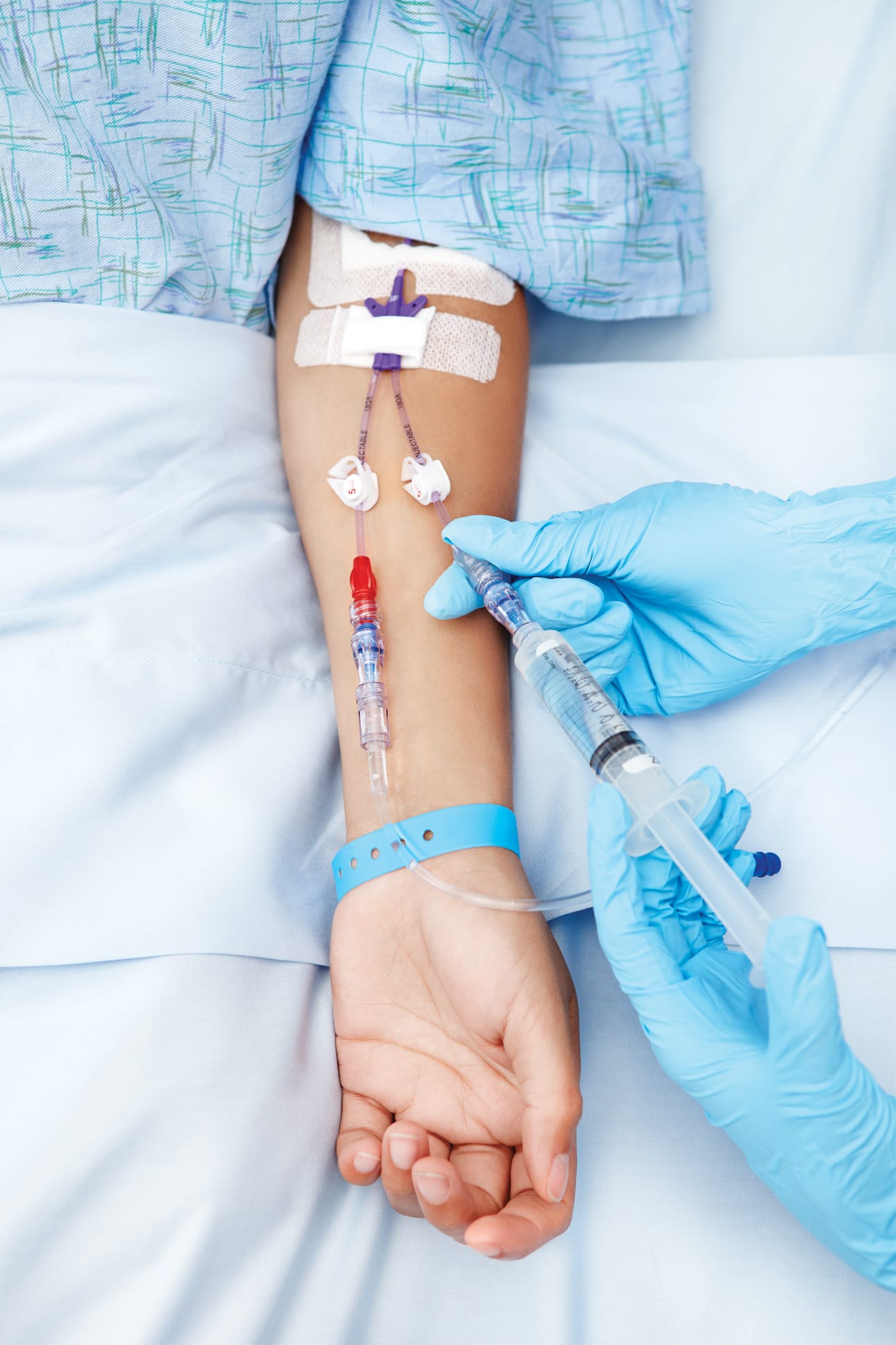
Intravenous therapy equipment used for rapid fluid resuscitation in medical settings. Source: Wikimedia Commons
8. Evidence-Based Prevention Strategies
Hydration Guidelines for Tropical Climates
- • Baseline intake: Consume 3-4 liters of water daily, more with activity[52]
- • Preemptive hydration: Drink 400-600ml water 2 hours before outdoor activities[53]
- • During activity: Consume 200-300ml every 15-20 minutes during exercise or heat exposure[54]
- • Electrolyte replacement: Use electrolyte-enhanced beverages during prolonged sweating (greater than 1 hour)[55]
- • Monitor urine color: Aim for pale yellow; dark urine indicates dehydration[56]
Behavioral Modifications
- • Limit alcohol consumption (each alcoholic drink requires an additional 250ml water to compensate for diuretic effects)[57]
- • Schedule outdoor activities during cooler morning or evening hours
- • Take frequent breaks in shade or air-conditioned environments
- • Wear light-colored, loose-fitting, breathable clothing[58]
- • Gradually acclimatize to heat over 10-14 days (increase exposure progressively)
9. High-Risk Populations
Older Adults (65+)
Aging reduces thirst sensitivity, kidney concentrating ability, and total body water (decreased by 10-15%)[59]. Older adults are 3-5 times more likely to experience severe dehydration in hot environments[60].
Young Children
Children have higher surface area-to-body mass ratios, less efficient sweating mechanisms, and faster dehydration rates. They rely on caregivers to recognize symptoms and provide fluids[61].
Chronic Illness
Diabetes, kidney disease, and heart conditions increase dehydration risk. Certain medications (diuretics, ACE inhibitors, antihypertensives) further compromise fluid balance[62].
10. When to Seek Emergency Care
Seek Immediate Medical Attention If You Experience:
- • No urination for 8+ hours or very dark, concentrated urine
- • Severe dizziness preventing standing or walking
- • Rapid heartbeat (greater than 100 bpm at rest) or chest pain
- • Rapid breathing or shortness of breath
- • Confusion, disorientation, or altered mental status
- • Seizures or loss of consciousness
- • Severe weakness or inability to keep fluids down
- • Body temperature above 39.4°C (103°F)
Professional IV Rehydration in Bali
Don't let dehydration ruin your Bali experience. Our licensed medical team delivers rapid IV rehydration therapy to your hotel, villa, or location across Bali. Available 24/7 with typical response under 60 minutes.
11. Scientific References
- [1] Jéquier, E., & Constant, F. (2010). "Water as an essential nutrient: the physiological basis of hydration." European Journal of Clinical Nutrition, 64(2), 115-123.PubMed
- [2] Popkin, B. M., et al. (2010). "Water, hydration, and health." Nutrition Reviews, 68(8), 439-458.PubMed
- [3] Institute of Medicine. (2005). "Dietary Reference Intakes for Water, Potassium, Sodium, Chloride, and Sulfate." National Academies Press.NAP
- [4] Sawka, M. N., et al. (2007). "American College of Sports Medicine position stand on exercise and fluid replacement." Medicine & Science in Sports & Exercise, 39(2), 377-390.PubMed
- [5] Thomas, D. T., et al. (2016). "Position of the Academy of Nutrition and Dietetics: nutrition and athletic performance." Journal of the Academy of Nutrition and Dietetics, 116(3), 501-528.PubMed
- [6] Armstrong, L. E., et al. (2012). "Mild dehydration affects mood in healthy young women." The Journal of Nutrition, 142(2), 382-388.PubMed
- [7] Cheung, S. S., & McLellan, T. M. (1998). "Heat acclimation, aerobic fitness, and hydration effects on tolerance during uncompensable heat stress." Journal of Applied Physiology, 84(5), 1731-1739.PubMed
- [8] Candas, V., et al. (1979). "Hydration during exercise: effects on thermal and cardiovascular adjustments." European Journal of Applied Physiology, 42(1), 31-39.PubMed
- [9] Steffen, R., et al. (2015). "Epidemiology of traveler's diarrhea." Clinical Infectious Diseases, 41(Suppl 8), S536-S540.PubMed
- [10] Taylor, N. A. (2014). "Human heat adaptation." Comprehensive Physiology, 4(1), 325-365.PubMed
- [11] Hobson, R. M., & Maughan, R. J. (2010). "Hydration status and the diuretic action of a small dose of alcohol." Alcohol and Alcoholism, 45(4), 366-373.PubMed
- [12] González-Alonso, J., et al. (1995). "Dehydration markedly impairs cardiovascular function in hyperthermic endurance athletes during exercise." Journal of Applied Physiology, 82(4), 1229-1236.PubMed
- [13] Spigt, M., et al. (2012). "Increasing the daily water intake for the prophylactic treatment of headache." European Journal of Neurology, 19(10), 1360-1362.PubMed
- [14] Takahashi, J. S., et al. (2008). "The genetics of mammalian circadian order and disorder." Nature Reviews Genetics, 9(10), 764-775.PubMed
- [15] DuPont, H. L. (2014). "Acute infectious diarrhea in immunocompetent adults." New England Journal of Medicine, 370(16), 1532-1540.PubMed
- [16] Thornton, S. N. (2010). "Thirst and hydration: physiology and consequences of dysfunction." Physiology & Behavior, 100(1), 15-21.PubMed
- [17] McKinley, M. J., & Johnson, A. K. (2004). "The physiological regulation of thirst and fluid intake." Physiology, 19, 1-6.PubMed
- [18] Nielsen, S., et al. (2002). "Aquaporins in the kidney." Physiological Reviews, 82(1), 205-244.PubMed
- [19] Sparks, M. A., et al. (2014). "Classical renin-angiotensin system in kidney physiology." Comprehensive Physiology, 4(3), 1201-1228.PubMed
- [20] Ganio, M. S., et al. (2011). "Mild dehydration impairs cognitive performance and mood of men." British Journal of Nutrition, 106(10), 1535-1543.PubMed
- [21] Casa, D. J., et al. (2015). "National Athletic Trainers' Association position statement: exertional heat illnesses." Journal of Athletic Training, 50(9), 986-1000.PubMed
- [22] Rolls, B. J., & Rolls, E. T. (1982). "Thirst." Cambridge University Press.
- [23] Armstrong, L. E., et al. (1994). "Urinary indices of hydration status." International Journal of Sport Nutrition, 4(3), 265-279.PubMed
- [24] Shirreffs, S. M., et al. (2004). "The sweating response of elite professional soccer players to training in the heat." International Journal of Sports Medicine, 26(2), 90-95.PubMed
- [25] Cheuvront, S. N., & Kenefick, R. W. (2014). "Dehydration: physiology, assessment, and performance effects." Comprehensive Physiology, 4(1), 257-285.PubMed
- [26] Kenefick, R. W., & Sawka, M. N. (2007). "Hydration at the work site." Journal of the American College of Nutrition, 26(sup5), 597S-603S.PubMed
- [27] Kavouras, S. A. (2002). "Assessing hydration status." Current Opinion in Clinical Nutrition & Metabolic Care, 5(5), 519-524.PubMed
- [28] Figueroa, J. J., et al. (2010). "Preventing and treating orthostatic hypotension." Cleveland Clinic Journal of Medicine, 77(5), 298-306.PubMed
- [29] Thomas, D. R., et al. (2008). "Understanding clinical dehydration and its treatment." Journal of the American Medical Directors Association, 9(5), 292-301.PubMed
- [30] González-Alonso, J., et al. (2008). "Heat production in humans during and after exercise." Sports Medicine, 38(4), 259-277.PubMed
- [31] Bergeron, M. F. (2003). "Heat cramps: fluid and electrolyte challenges during tennis in the heat." Journal of Science and Medicine in Sport, 6(1), 19-27.PubMed
- [32] Masento, N. A., et al. (2014). "Effects of hydration status on cognitive performance and mood." British Journal of Nutrition, 111(10), 1841-1852.PubMed
- [33] Hooper, L., et al. (2015). "Clinical symptoms, signs and tests for identification of impending and current water-loss dehydration in older people." Cochrane Database of Systematic Reviews, (4), CD009647.PubMed
- [34] Gorelick, M. H., et al. (1997). "Validity and reliability of clinical signs in the diagnosis of dehydration in children." Pediatrics, 99(5), E6.PubMed
- [35] McGee, S., et al. (1999). "Is this patient hypovolemic?" JAMA, 281(11), 1022-1029.PubMed
- [36] Vincent, J. L., & De Backer, D. (2013). "Circulatory shock." New England Journal of Medicine, 369(18), 1726-1734.PubMed
- [37] Waikar, S. S., et al. (2009). "Mortality after hospitalization with mild, moderate, and severe hyponatremia." The American Journal of Medicine, 122(9), 857-865.PubMed
- [38] Bouchama, A., & Knochel, J. P. (2002). "Heat stroke." New England Journal of Medicine, 346(25), 1978-1988.PubMed
- [39] Becker, J. A., & Stewart, L. K. (2011). "Heat-related illness." American Family Physician, 83(11), 1325-1330.PubMed
- [40] Lohr, J. W., & Schwab, S. J. (2016). "Acute kidney injury." The American Journal of Medicine, 129(12), 1219-1224.PubMed
- [41] Curhan, G. C., et al. (1998). "Beverage use and risk for kidney stones in women." Annals of Internal Medicine, 128(7), 534-540.PubMed
- [42] Montain, S. J., & Coyle, E. F. (1992). "Influence of graded dehydration on hyperthermia and cardiovascular drift during exercise." Journal of Applied Physiology, 73(4), 1340-1350.PubMed
- [43] Maughan, R. J., & Leiper, J. B. (1999). "Limitations to fluid replacement during exercise." Canadian Journal of Applied Physiology, 24(2), 173-187.PubMed
- [44] Rehrer, N. J., et al. (1992). "Gastric emptying, absorption, and carbohydrate oxidation during prolonged exercise." Journal of Applied Physiology, 72(2), 468-475.PubMed
- [45] Farthing, M., et al. (2013). "Acute diarrhea in adults and children: a global perspective." Journal of Clinical Gastroenterology, 47(1), 12-20.PubMed
- [46] Shirreffs, S. M., et al. (1996). "Post-exercise rehydration in man: effects of volume consumed." Medicine & Science in Sports & Exercise, 28(10), 1260-1271.PubMed
- [47] Myburgh, J. A., & Mythen, M. G. (2013). "Resuscitation fluids." New England Journal of Medicine, 369(13), 1243-1251.PubMed
- [48] Dellinger, R. P., et al. (2013). "Surviving sepsis campaign: international guidelines for management of severe sepsis and septic shock." Critical Care Medicine, 41(2), 580-637.PubMed
- [49] Holliday, M. A., & Ray, P. E. (2007). "Fluid therapy for children: facts, fashions and questions." Archives of Disease in Childhood, 92(6), 546-550.PubMed
- [50] Yunos, N. M., et al. (2012). "Association between a chloride-liberal vs chloride-restrictive IV fluid strategy and kidney injury." JAMA, 308(15), 1566-1572.PubMed
- [51] Padayatty, S. J., et al. (2004). "Vitamin C pharmacokinetics: implications for oral and intravenous use." Annals of Internal Medicine, 140(7), 533-537.PubMed
- [52] Sawka, M. N., et al. (2015). "Hypohydration and human performance: impact of environment and physiological mechanisms." Sports Medicine, 45(Suppl 1), S51-S60.PubMed
- [53] Casa, D. J., et al. (2000). "National Athletic Trainers' Association position statement: fluid replacement for athletes." Journal of Athletic Training, 35(2), 212-224.PubMed
- [54] American College of Sports Medicine. (2007). "Exercise and fluid replacement position stand." Medicine & Science in Sports & Exercise, 39(2), 377-390.PubMed
- [55] Maughan, R. J., & Shirreffs, S. M. (2010). "Dehydration and rehydration in competitive sport." Scandinavian Journal of Medicine & Science in Sports, 20(Suppl 3), 40-47.PubMed
- [56] Armstrong, L. E., et al. (1998). "Urinary indices during dehydration, exercise, and rehydration." International Journal of Sport Nutrition, 8(4), 345-355.PubMed
- [57] Shirreffs, S. M., & Maughan, R. J. (1997). "Restoration of fluid balance after exercise-induced dehydration: effects of alcohol consumption." Journal of Applied Physiology, 83(4), 1152-1158.PubMed
- [58] Nielsen, B., et al. (1993). "Acute and adaptive responses in humans to exercise in a warm, humid environment." Pflügers Archiv, 434(1), 49-56.PubMed
- [59] Mack, G. W., et al. (1994). "Body fluid balance in dehydrated healthy older men." Journal of Applied Physiology, 76(4), 1615-1623.PubMed
- [60] Kenny, G. P., & Flouris, A. D. (2014). "The human thermoregulatory system and its response to thermal stress." Comprehensive Physiology, 4(1), 531-546.PubMed
- [61] Bar-Or, O. (2001). "Nutritional considerations for the child athlete." Canadian Journal of Applied Physiology, 26(Suppl), S186-S191.PubMed
- [62] Stookey, J. D., et al. (2004). "Underhydration is associated with obesity, chronic diseases, and death in older adults." The Journal of Nutrition, Health & Aging, 8(3), 151-158.PubMed
Related Articles
Stay Hydrated, Stay Healthy in Bali
Dehydration doesn't have to ruin your tropical vacation. Our licensed medical team provides professional IV rehydration therapy anywhere in Bali, 24/7.
Contact Us on WhatsApp