1. Master Your Hydration
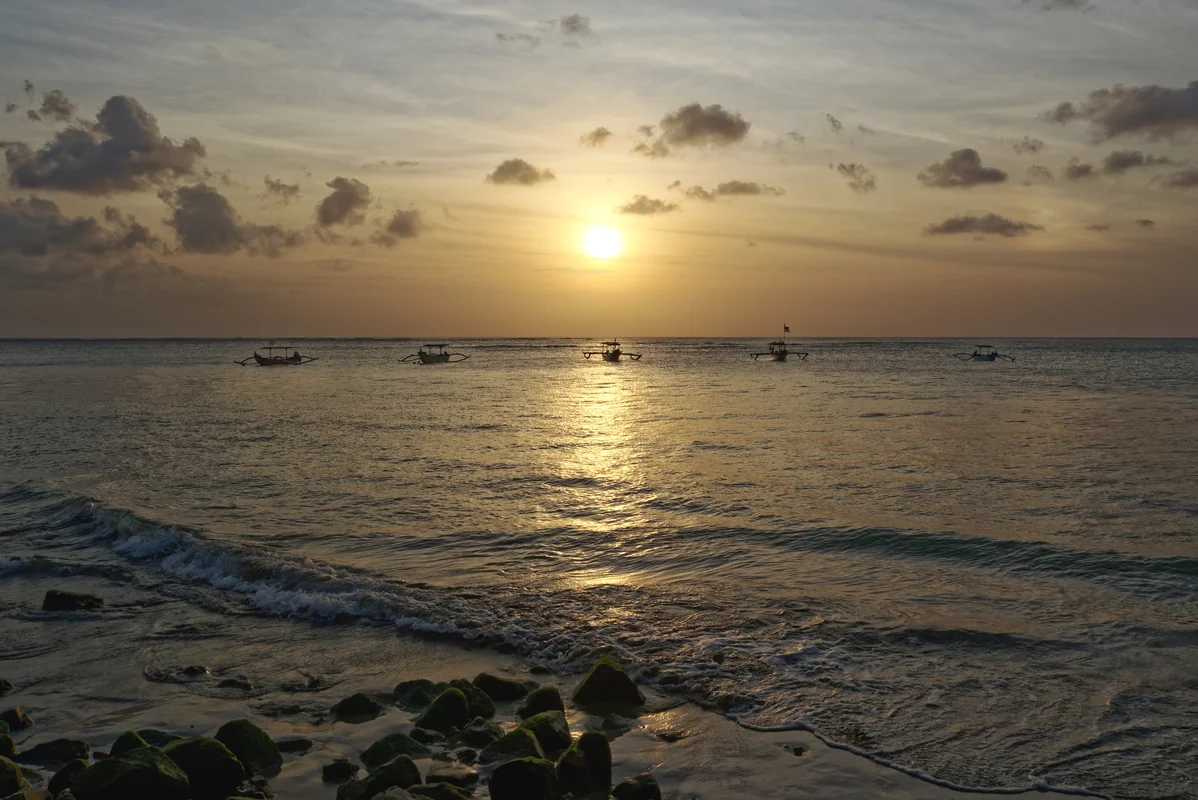
Bali's tropical climate averages 27-30°C (80-86°F) with 80-90% humidity. In these conditions, you can lose 1-2 liters of fluid per hour through sweating during activities - even without feeling particularly hot. Dehydration sets in faster than you might expect.
Hydration Guidelines:
- Baseline: Drink at least 3 liters (100 oz) of water daily - more than you would at home
- Activity boost: Add 500ml for every hour of physical activity
- Alcohol offset: Match every alcoholic drink with a full glass of water
- Morning routine: Start each day with 500ml of water before breakfast
- Electrolytes: Add coconut water or electrolyte supplements, especially after sweating
Pro tip: Keep a reusable water bottle with you at all times. Many Bali restaurants and cafes offer free water refills, and it's an eco-friendly choice for the island.
2. Practice Sun Safety
Bali sits just 8 degrees south of the equator, meaning UV radiation is intense year-round. The UV index regularly reaches 11+ (extreme), compared to 6-8 in most European and North American summers. Sunburn can happen in as little as 15 minutes.
Sun Protection Essentials
- SPF 50+ sunscreen: Apply 30 minutes before sun exposure, reapply every 2 hours
- Reef-safe formulas: Protect Bali's coral reefs by avoiding oxybenzone and octinoxate
- Peak hours: Seek shade between 10am-4pm when UV is strongest
- Cover up: Lightweight long sleeves and wide-brimmed hats provide excellent protection
- Don't forget: Ears, feet, back of neck, and part lines are commonly missed spots
Warning: Sunburn significantly increases dehydration and can ruin several days of your trip. Even on cloudy days, up to 80% of UV rays penetrate the clouds.
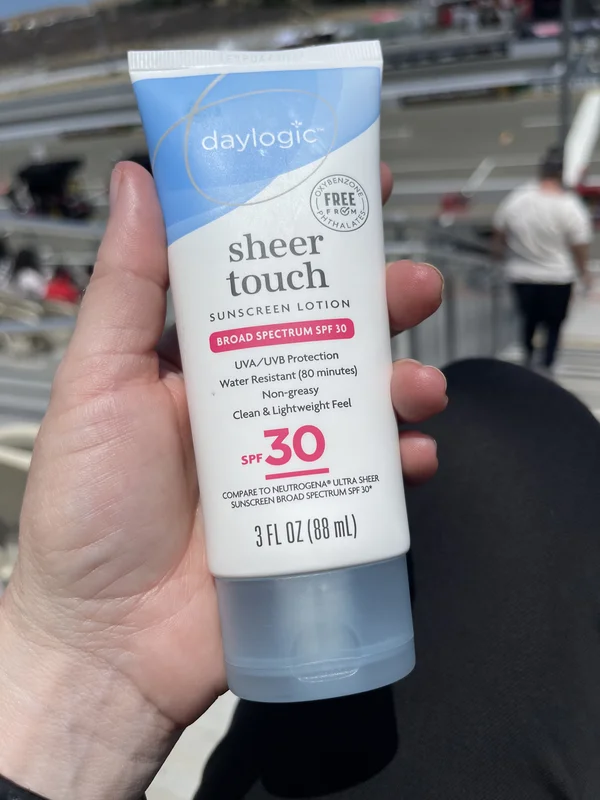
High SPF sunscreen is essential in Bali where UV index regularly exceeds 11. Apply 30 minutes before sun exposure. Source: Wikimedia Commons
3. Eat Smart, Stay Healthy
Bali's food scene is incredible, but traveler's diarrhea (Bali Belly) affects 30-50% of visitors. Most cases are caused by bacteria in contaminated food or water. With smart choices, you can enjoy Bali's cuisine while minimizing risk.
Food Safety Rules
- Water: Drink only bottled or filtered water - check seal is intact
- Ice: Only accept ice made from filtered water (most tourist restaurants use this)
- Hot foods: Eat freshly cooked, served hot - avoid buffets sitting at room temperature
- Raw foods: Be cautious with salads, cut fruits, and raw vegetables at smaller warungs
- Seafood: Ensure fish and shellfish are thoroughly cooked
- Street food: Choose vendors with high turnover where food is cooked to order
Good news: Most established restaurants, hotels, and tourist-area cafes maintain excellent food safety standards. Don't let fear prevent you from enjoying Bali's amazing cuisine - just be mindful of where and what you eat.

Bali offers incredible tropical fruits rich in vitamins and antioxidants. Opt for freshly cut fruit from reputable sources. Source: Wikimedia Commons (USDA)
4. Manage Jet Lag Proactively
Most travelers to Bali cross 5-12 time zones, and jet lag can steal 3-5 days of your vacation. Your circadian rhythm adjusts at about 1 hour per day naturally, but strategic interventions can accelerate this significantly.
Beat Jet Lag Strategy:
- Pre-flight: Start shifting your sleep schedule 2-3 days before departure
- On arrival: Immediately adopt local time - stay awake until at least 9pm
- Morning light: Get bright sunlight exposure in the morning to reset your clock
- Skip long naps: Keep any naps under 30 minutes to avoid disrupting nighttime sleep
- Avoid alcohol: It may make you sleepy but disrupts sleep quality significantly
- Consider melatonin: 0.5-3mg at bedtime can help shift your sleep cycle
Fast track: IV therapy with hydration and B-vitamins on arrival day helps many travelers feel significantly better within hours rather than days.
Feeling Under the Weather in Bali?
Our mobile IV therapy service delivers rapid rehydration, vitamins, and recovery treatments directly to your villa or hotel. Feel better in 20-25 minutes.
5. Drink Alcohol Mindfully
Bali's beach clubs, rooftop bars, and vibrant nightlife are a huge draw - but alcohol hits harder in tropical climates. Heat and humidity accelerate dehydration, while alcohol suppresses your body's ability to regulate temperature and fluid balance.
Smart Drinking Tips
- One-for-one rule: Alternate every alcoholic drink with a full glass of water
- Start hydrated: Drink plenty of water before you start drinking alcohol
- Eat first: Never drink on an empty stomach in tropical heat
- Watch the clock: Stop drinking 2-3 hours before bed for better sleep quality
- Know your limits: Altitude, heat, and jet lag all lower your tolerance
- Avoid local spirits: Stick to sealed bottles - some local "arak" has caused serious illness
Recovery tip: If you do overindulge, IV therapy is the fastest way to rehydrate and replenish the vitamins and electrolytes depleted by alcohol.
6. Prioritize Quality Sleep
Good sleep is your body's reset button, but it can be elusive on vacation. Between jet lag, unfamiliar beds, nightlife, and early morning temple visits, many travelers become chronically sleep-deprived - weakening their immune system and enjoyment.
Sleep Optimization
- Cool your room: Set AC to 18-22°C (64-72°F) for optimal sleep temperature
- Block light: Use blackout curtains or an eye mask - Bali mornings are bright early
- Limit screens: Avoid phones/tablets 1 hour before bed to protect melatonin production
- Consistent timing: Try to sleep and wake at similar times each day
- Wind down: Gentle yoga, meditation, or reading helps transition to sleep
- Limit caffeine: No coffee after 2pm if you have trouble sleeping
Aim for 7-9 hours: Even one night of poor sleep can impair immune function by up to 70%. Your body needs rest to process new experiences and recover from activity.
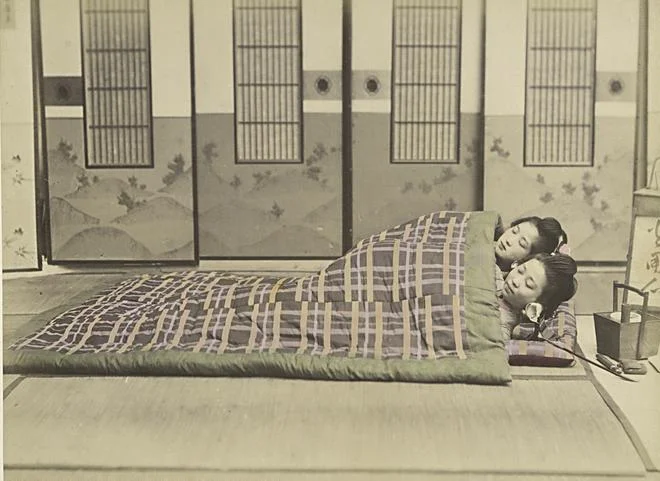
Quality sleep is essential for immune function and enjoying your vacation. Set your AC to 18-22°C for optimal sleep. Source: Wikimedia Commons
7. Protect Against Mosquitoes
Bali has both day-biting (Aedes) and night-biting (Anopheles) mosquitoes. While serious diseases like dengue are relatively rare in tourist areas, mosquito bites are annoying at best and can transmit illness at worst.
Mosquito Protection
- DEET or Picaridin: Use repellents with 20-30% concentration on exposed skin
- Cover up: Light, loose, long-sleeved clothing in the evenings
- Peak times: Mosquitoes are most active at dawn and dusk
- Standing water: Avoid areas with stagnant water where mosquitoes breed
- Accommodation: Ensure screens on windows or use AC with doors closed
- Natural options: Citronella and lemongrass provide some protection, but less than DEET
Watch for symptoms: If you develop high fever, severe headache, joint pain, or rash within 2 weeks of a mosquito bite, seek medical attention promptly.
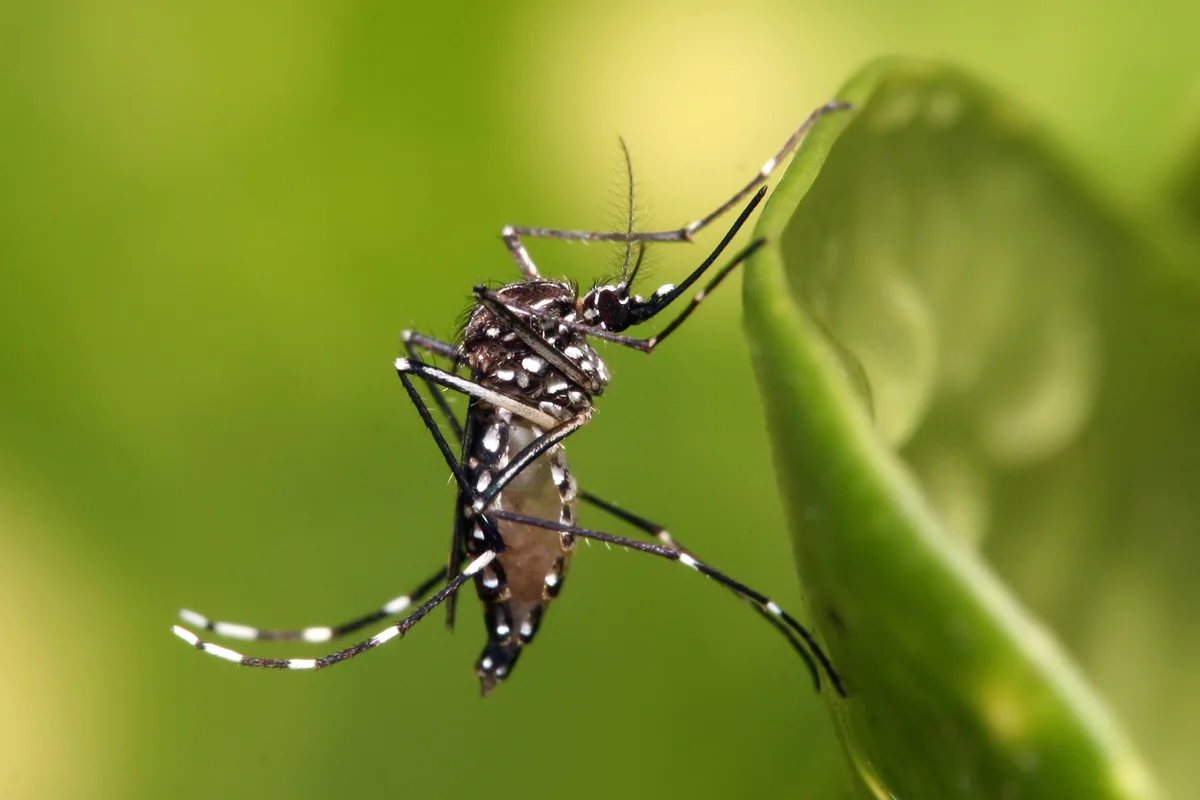
The Aedes aegypti mosquito can transmit dengue fever. Use DEET-based repellents and cover exposed skin at dawn and dusk. Source: Wikimedia Commons (CDC)
8. Stay Active (But Don't Overdo It)
Bali offers incredible opportunities for surfing, hiking, yoga, diving, and more. Physical activity boosts mood, improves sleep, and helps combat jet lag. However, the heat makes exercise more demanding than at home.
Exercise Smart
- Early or late: Exercise during cooler morning or evening hours
- Reduce intensity: Cut your usual workout intensity by 30-50% in the heat
- Hydrate extra: Drink 500ml water before, during, and after exercise
- Listen to your body: Dizziness, nausea, or excessive fatigue are warning signs
- Acclimatize: Give your body 2-3 days to adjust before intense activities
- Try something new: Bali is perfect for yoga, surfing, or dance classes
Rest days matter: Schedule recovery days into your trip. Constant activity without rest leads to exhaustion and weakened immunity.
9. Support Your Immune System
Travel stress, time zone changes, new environments, and exposure to different microbes all challenge your immune system. Proactive support helps your body stay resilient throughout your trip.
Immune Support Strategies
- Vitamin C: Citrus fruits, papaya, and supplements help immune function
- Zinc: Found in nuts, seeds, and supplements - supports immune response
- Probiotics: Yogurt or supplements help maintain gut health
- Colorful foods: Eat a variety of fruits and vegetables for antioxidants
- Limit sugar: High sugar intake temporarily suppresses immune function
- Manage stress: Chronic stress weakens immunity - take time to relax
Immunity boost: IV vitamin therapy delivers immune-supporting nutrients at higher concentrations than oral supplements, providing a powerful boost when you need it most.
10. Know When to Seek Help
Most travel health issues are minor and self-limiting, but knowing when to seek medical attention can prevent small problems from becoming serious. Bali has excellent medical facilities, especially in the tourist areas.
Seek Medical Help If You Experience:
- Severe dehydration: Dizziness, confusion, very dark urine, or inability to keep fluids down
- High fever: Temperature above 39°C (102°F) lasting more than 24 hours
- Bloody diarrhea: Blood in stool requires medical evaluation
- Severe pain: Intense abdominal, chest, or head pain
- Breathing difficulty: Shortness of breath or chest tightness
- Allergic reaction: Swelling, rash, or difficulty breathing after eating or medication
- Signs of infection: Increasing redness, swelling, or pus from wounds
Emergency Numbers in Bali
- General Emergency: 112
- Ambulance: 118
- BIMC Hospital Kuta: +62 361 761263
- Siloam Hospital Denpasar: +62 361 779900
Travel insurance: Always have comprehensive travel insurance that covers medical expenses and emergency evacuation. Keep policy details easily accessible on your phone.
Quick Reference Summary
Daily Essentials
- Drink 3+ liters of water
- Apply SPF 50+ sunscreen
- Take electrolytes
- Get 7-9 hours sleep
- Eat freshly cooked hot food
Avoid
- Tap water and questionable ice
- Excessive alcohol in heat
- Sun exposure 10am-4pm
- Raw foods from unknown sources
- Overexertion without acclimatization
Pack These
- High SPF reef-safe sunscreen
- Insect repellent (DEET/Picaridin)
- Reusable water bottle
- Electrolyte sachets
- Basic medications
Warning Signs
- Dark urine (dehydration)
- Dizziness or confusion
- Fever >39°C lasting 24+ hours
- Blood in stool
- Severe or persistent pain
Related Articles
Bali Belly Treatment Guide
Complete guide to preventing and treating traveler's diarrhea
Dehydration in Tropical Climates
Understanding and preventing dehydration in Bali's climate
Jet Lag Recovery Guide
Science-based strategies to beat jet lag faster
Disclaimer
This article provides general wellness information for travelers and does not constitute medical advice. Individual health needs vary. If you have pre-existing health conditions or concerns, consult with a healthcare professional before your trip. Always seek professional medical attention for serious symptoms.