Vitamin C (ascorbic acid) is perhaps the most well-known vitamin for immune support. But there's a significant difference between taking oral supplements and receiving high-dose intravenous vitamin C. IV administration can achieve blood concentrations up to 70 times higher than oral intake — and this distinction matters for therapeutic effects.
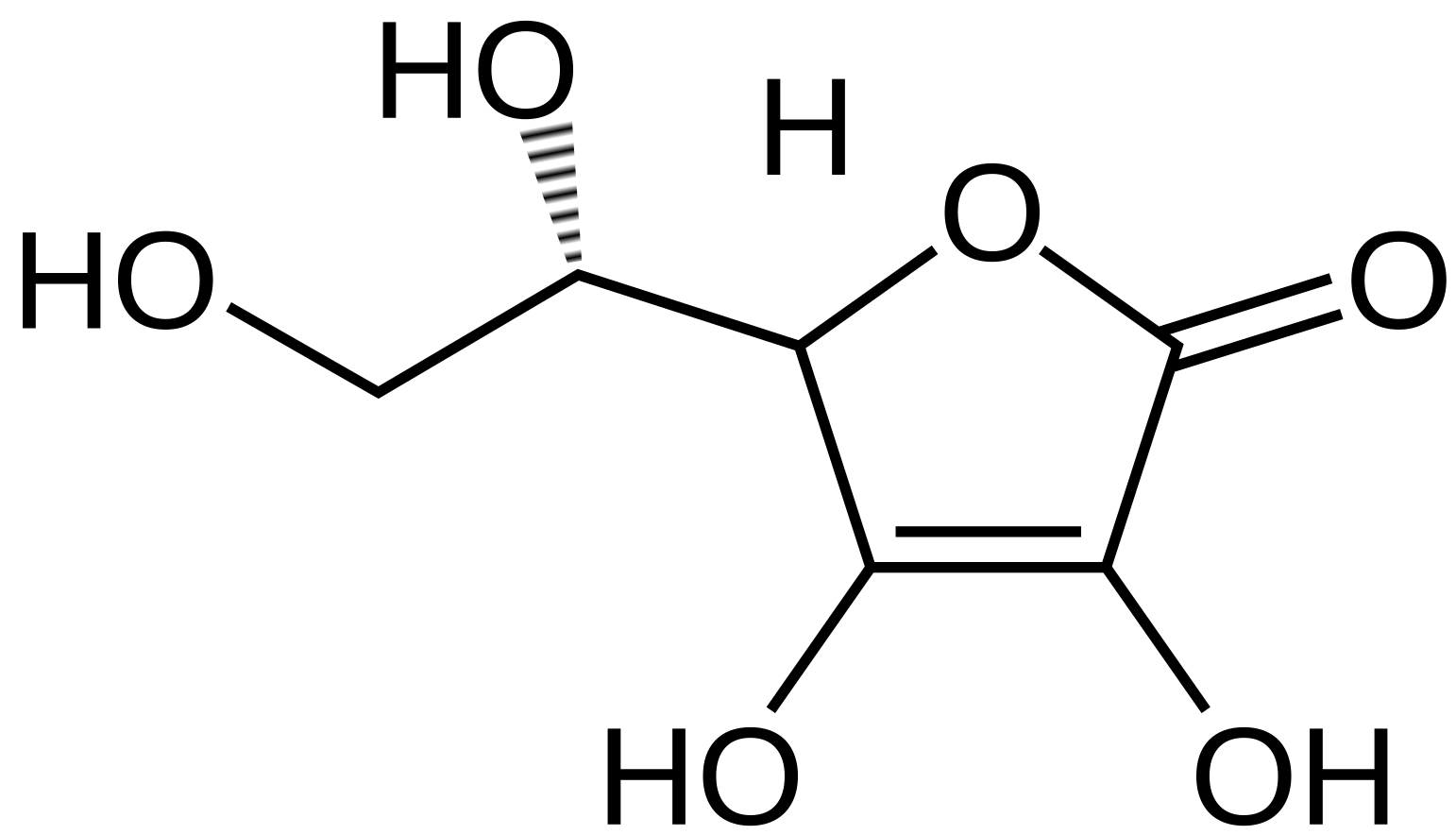
L-Ascorbic acid molecular structure

Citrus fruits are natural sources of vitamin C
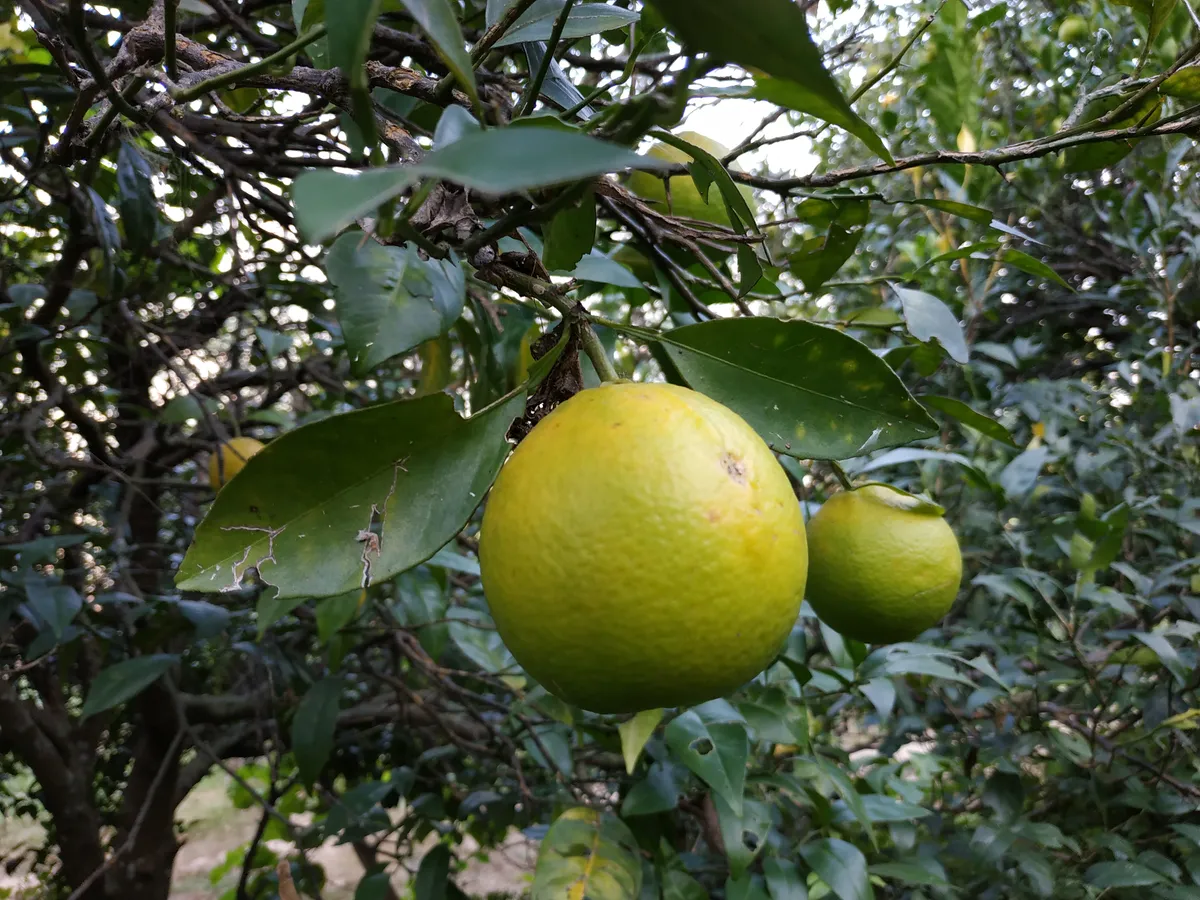
Oranges are iconic vitamin C sources
The IV Advantage: Why Delivery Method Matters
Pharmacokinetic Comparison
A landmark pharmacokinetic study compared identical doses of vitamin C given orally versus intravenously:
Peak plasma concentration
Oral 1.25g dose
Peak plasma concentration
IV 1.25g dose
The same dose delivered intravenously achieved 6.5x higher blood levels than oral administration.
Studies show that intravenous administration can achieve plasma concentrations as high as 15,000 μmol/L — approximately 70 times higher than what's possible with oral supplementation. This is because oral vitamin C absorption is limited by intestinal transport mechanisms, while IV delivery bypasses these restrictions entirely.
How Vitamin C Supports Immune Function
Vitamin C is an essential vitamin for the human immune system. Immune cells actually accumulate high concentrations of vitamin C, underlining its key function in various immune processes:
White Blood Cell Function
High concentrations of vitamin C stimulate the production of white blood cells, which are crucial for fighting infections. Vitamin C also enhances the resistance of white blood cells to viruses.
Antioxidant Protection
Vitamin C helps protect immune cells from oxidative stress caused by free radicals. This protection allows immune cells to function optimally during infection.
Interferon Production
Vitamin C can induce interferon production in the body. Interferons are proteins that play a crucial role in the immune response to viral infections.
Reduced Illness Duration
Research suggests vitamin C may reduce the severity and duration of illnesses such as the common cold and flu by supporting immune cell function.
What Does the Research Say?
Viral Infections & Respiratory Health
Research has shown that in viral infections, vitamin C can:
- ✓Attenuate pro-inflammatory response
- ✓Enhance epithelial barrier function
- ✓Increase alveolar fluid clearance rate
- ✓Prevent sepsis-related coagulation abnormalities
Studies also found that high-dose vitamin C treatment can significantly reduce the demand for high-dose corticosteroids, antibiotics, and antiviral drugs.
Clinical Applications
IVC (Intravenous Vitamin C) therapy is used in clinical settings for various purposes:
Immune Support
Boosting immune function by promoting antiviral and antibacterial activities
Recovery Support
Helping recovery from injury, surgery, and illness-related fatigue
Quality of Life
Improving overall quality of life and alleviating disease-related fatigue
Integrative Care
Used as part of integrative treatment protocols (dosages 10-100g per day)
Immune Modulation Research
Studies show that high-dose vitamin C synergizes with immune checkpoint inhibitors in research models, increasing the immunogenicity of effector T cells. Researchers described a significant 15-21% increase in immunogenicity compared to non-vitamin C treated cells, demonstrating vitamin C's role as an immune modulator.
Dosage: Low vs. High-Dose Vitamin C
| Category | Dosage Range | Purpose | Administration |
|---|---|---|---|
| Daily Maintenance | 65-90 mg | Prevent deficiency | Diet/Oral supplements |
| Therapeutic Oral | 500mg - 2g | General wellness support | Oral supplements |
| Low-Dose IV | 1-10g | Immune support, recovery | IV infusion (20 min) |
| High-Dose IV | 15-50g+ | Intensive protocols | IV infusion (1-3 hours) |
Important Note on Dosage
Higher doses are not necessarily better for everyone. The appropriate dosage depends on individual health status, goals, and medical history. Our medical team will recommend the most suitable protocol based on your specific needs and circumstances.
Safety Profile
IVC has a high safety profile according to research data. In a survey of 199 practitioners using IVC (mean dose 28g, median 50g, range 1-200g per treatment) mainly for infection or support, it was found that only 1% (101 out of 9,328 patients) reported side effects.
Reported Side Effects (Rare)
- • Minor fatigue (n=59 out of 9,328)
- • Change in mental status (n=21)
- • Vein irritation/phlebitis (n=6)
- • These were generally mild and temporary
Known Contraindications
- • G6PD deficiency (glucose-6-phosphate dehydrogenase)
- • Renal impairment or kidney disease
- • History of kidney stones (oxalate type)
- • Iron overload conditions (hemochromatosis)
Pre-Treatment Screening
For high-dose vitamin C therapy (typically 25g or higher), a G6PD blood test is recommended before treatment. This enzyme deficiency, while rare, can cause hemolytic anemia if exposed to high-dose vitamin C. Our medical team will assess your suitability before recommending high-dose protocols.
What to Expect from Vitamin C IV Therapy
Health Assessment
Our nurse reviews your health history and current symptoms to determine the appropriate vitamin C dosage for your needs.
Infusion Duration
Low-dose infusions (up to 10g) typically take 20 minutes. Higher doses may require 1-3 hours for safe administration.
During Treatment
You may feel a cooling sensation at the IV site. Some people notice increased urination as vitamin C is water-soluble. Most clients read or work during treatment.
After Treatment
Many people report feeling more energized and experiencing improved wellbeing. Stay well-hydrated after treatment. Resume normal activities immediately.
Who May Benefit from Vitamin C IV Therapy?
Travelers
Boost immunity before or after long flights, or when feeling run down during travel.
Feeling Under the Weather
Support immune function at the first signs of cold or flu symptoms.
Chronic Fatigue
Address fatigue that may be related to oxidative stress or immune burden.
Athletes
Support recovery and reduce exercise-induced oxidative stress.
Post-Illness Recovery
Support the body's recovery after illness, infection, or surgery.
General Wellness
Proactive immune support during your Bali vacation or stay.
Understanding the Research
Research Context
While there is substantial evidence supporting vitamin C's role in immune function and promising results from clinical applications, it's important to understand the current state of research:
- •Strong clinical data and large-scale Phase III studies are still limited
- •More extensive clinical trials are needed to establish definitive benefits
- •Individual responses to IV vitamin C therapy vary
- •IV vitamin C should complement, not replace, standard medical care
Vitamin C IV Therapy in Bali
Our licensed medical team delivers vitamin C infusions directly to your villa, hotel, or accommodation anywhere in Bali. Support your immune system with professional care.
Book Vitamin C IV Now