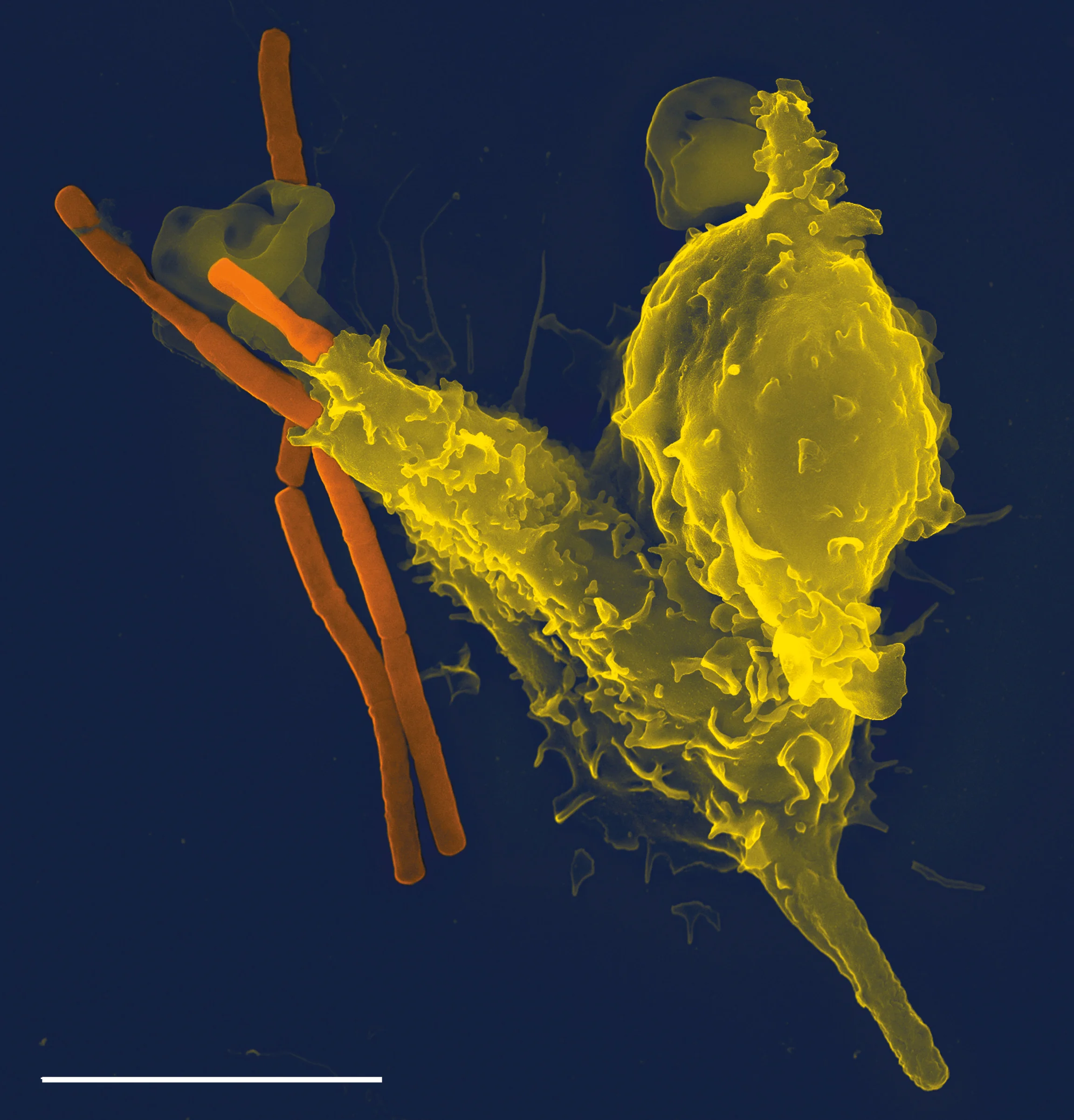
Immune boost IV therapy delivers vitamins and minerals that support immune system function. Source: Wikimedia Commons
What Is Immune Boost IV Therapy?
Immune boost IV therapy is an intravenous infusion containing vitamins, minerals, and antioxidants formulated to support immune system function. The treatment typically takes 20 minutes and delivers nutrients directly into the bloodstream, bypassing the digestive system for 100% bioavailability.
Common Ingredients in Immune IV Formulations
While formulations vary by provider, most immune boost IV drips contain these core ingredients:
- Vitamin C (Ascorbic Acid): 5-25 grams - Far exceeding oral absorption capacity, supporting white blood cell function and antioxidant protection
- Zinc: 5-15mg - Essential mineral for T-cell development and immune cell signaling
- B-Complex Vitamins: B1, B2, B3, B5, B6, B12 - Supporting energy metabolism and immune cell production
- Glutathione: 200-2000mg - Master antioxidant protecting immune cells from oxidative damage
- Selenium: 50-200mcg - Trace mineral supporting immune response and reducing inflammation
- Saline or Lactated Ringer's Solution: Hydration base, typically 500-1000mL
The IV Delivery Advantage
The fundamental advantage of IV administration is achieving blood concentrations impossible through oral intake. This is particularly significant for vitamin C, where oral absorption plateaus at approximately 200-250 micromoles per liter regardless of dose, while IV administration can achieve 10,000-15,000 micromoles per liter with high-dose infusions.
Whether these pharmacological concentrations provide clinically meaningful immune benefits beyond what oral supplementation achieves is the critical question we'll examine throughout this article.
Vitamin C and Immune Function - The Evidence
Vitamin C is perhaps the most studied nutrient in relation to immune function, with decades of research examining its role in preventing and treating infections. The evidence is nuanced, with important distinctions between prevention, treatment, and special populations.
Established Mechanisms of Immune Support
Research clearly demonstrates multiple pathways through which vitamin C supports immune function:
White Blood Cell Enhancement
Vitamin C stimulates production and function of neutrophils, lymphocytes, and phagocytes. It accumulates in white blood cells at concentrations 10-100 times higher than plasma levels, indicating active uptake and functional importance.
Antioxidant Protection
During immune activation, white blood cells generate reactive oxygen species to kill pathogens. Vitamin C protects immune cells from self-inflicted oxidative damage while maintaining antimicrobial function.
Epithelial Barrier Function
Vitamin C supports skin integrity and mucous membranes, which serve as the first line of defense against pathogens. It enhances collagen synthesis and barrier function in respiratory and intestinal epithelium.
Immune Cell Migration
Vitamin C facilitates chemotaxis - the movement of immune cells toward sites of infection. Research shows vitamin C-deficient individuals exhibit impaired neutrophil migration and increased infection susceptibility.
What the Research Shows (and Doesn't Show)
Evidence-Based Findings:
- Common Cold Prevention (General Population): Multiple systematic reviews and meta-analyses show vitamin C supplementation does NOT reduce incidence of colds in the general population. Regular supplementation (200mg+ daily) shows no statistically significant prevention benefit for average adults.
- Common Cold Prevention (Special Populations): In people under extreme physical stress (marathon runners, soldiers in arctic conditions), vitamin C supplementation reduced cold incidence by approximately 50%. This finding is consistent across multiple studies but applies only to specific high-stress populations.
- Cold Duration and Severity: Vitamin C supplementation, when taken regularly, reduced cold duration by 8% in adults and 14% in children. While statistically significant, this translates to roughly 6-12 hours less illness - modest but real benefit.
- Therapeutic Dosing During Illness: Taking vitamin C only after cold symptoms appear shows minimal benefit. Regular supplementation before illness onset is necessary for any protective effect.
High-Dose IV Vitamin C: Different Mechanism?
The pharmacological doses achievable through IV administration (10-50 grams) create blood concentrations that may exert effects beyond basic immune support. At very high concentrations, vitamin C can act as a pro-oxidant, generating hydrogen peroxide that may have antimicrobial and anti-inflammatory effects.
Research in critically ill patients (sepsis, pneumonia) shows mixed results. Some studies demonstrate reduced ICU stay and improved outcomes, while others show no benefit. The evidence suggests potential benefit in severe illness but does not support routine use for mild infections or prevention in healthy individuals.
The Honest Assessment
Vitamin C supports immune function through well-established mechanisms. Regular supplementation may slightly reduce cold duration and prevent illness in people under extreme stress. High-dose IV vitamin C may provide additional benefits during active illness, though large-scale confirmation studies are limited. It does not prevent colds in healthy adults and should not be viewed as a guaranteed infection shield.
Zinc's Role in Immunity
Zinc is arguably the most critical mineral for immune function. Even mild zinc deficiency significantly impairs immune responses, while adequate zinc status is essential for normal immune cell development and function.
Why Zinc Matters for Immunity
Zinc is required for over 300 enzymatic reactions in the body, many directly related to immune function:
- T-Cell Development: Zinc is essential for thymus gland function and T-lymphocyte maturation. Zinc deficiency causes thymic atrophy and impaired cell-mediated immunity.
- Natural Killer Cell Activity: NK cells require adequate zinc for proper function. Studies show zinc supplementation enhances NK cell activity, particularly in zinc-deficient individuals.
- Antibody Production: B-lymphocytes need zinc for antibody synthesis. Deficiency impairs humoral immune responses and vaccine effectiveness.
- Anti-Inflammatory Effects: Zinc modulates inflammatory cytokine production, helping balance immune activation with anti-inflammatory regulation.
- Antiviral Properties: Zinc interferes with viral replication for certain viruses, particularly rhinoviruses (common cold). This mechanism explains why zinc lozenges may reduce cold duration.
The Research on Zinc Supplementation
Multiple systematic reviews have examined zinc supplementation for immune health:
Cold Duration Studies:
A 2017 Cochrane review analyzing 18 randomized trials found that zinc supplementation (lozenges or syrup) within 24 hours of symptom onset reduced cold duration by approximately 33% - roughly 1-3 days shorter illness. The effect was most pronounced when zinc was administered as lozenges that slowly dissolved in the mouth, maximizing contact with upper respiratory tissue.
Prevention Studies:
Regular zinc supplementation (10-15mg daily) in zinc-deficient populations reduced infection incidence. However, supplementation in zinc-replete individuals showed minimal prevention benefit. The key variable is baseline zinc status.
Important Caveats:
- Zinc lozenges often cause nausea and bad taste
- Excessive zinc (over 40mg daily long-term) can cause copper deficiency
- Intranasal zinc sprays have been associated with loss of smell (anosmia) and should be avoided
- Benefits are most consistent when started within 24 hours of symptom onset
Zinc in IV Immune Formulations
IV zinc delivery ensures 100% bioavailability without gastrointestinal side effects that limit oral dosing. This is particularly valuable for individuals with digestive issues or during acute illness when nausea prevents oral supplementation. However, the optimal IV zinc dose for immune support remains debated, with most formulations using 5-15mg - lower than therapeutic oral lozenge doses but achieving higher tissue levels due to complete absorption.
B Vitamins and Immune Health
B-complex vitamins play supporting roles in immune function, primarily through their involvement in energy metabolism and cell production rather than direct antimicrobial effects.
Individual B Vitamins and Immunity
Vitamin B6 (Pyridoxine)
B6 deficiency impairs lymphocyte proliferation and antibody production. Research shows that marginal B6 deficiency (more common than frank deficiency) reduces immune responses. Supplementation in deficient individuals restores immune function, but supplementation above adequate levels provides no additional benefit.
Vitamin B12 (Cobalamin)
B12 is necessary for white blood cell production and function. Deficiency causes impaired natural killer cell activity and reduced T-cell numbers. Supplementation corrects these abnormalities in deficient individuals but does not enhance immune function beyond normal levels.
Folate (Vitamin B9)
Folate deficiency impairs cell-mediated immunity and reduces resistance to infections. Folate is critical for DNA synthesis during rapid immune cell proliferation. Adequate folate status is essential, but mega-dosing provides no immune advantage.
Other B Vitamins (B1, B2, B3, B5)
These B vitamins support energy metabolism and cellular function but have less direct immune roles. Deficiencies impair overall health and indirectly affect immunity, but their specific immune-enhancing effects are limited compared to B6, B12, and folate.
The Reality of B Vitamins in Immune IV Formulations
B-complex vitamins are included in immune IV formulations primarily to correct potential deficiencies and support the energy demands of immune cell activation. They are not direct immune boosters in the way vitamin C or zinc are. Their inclusion makes sense as part of a comprehensive formulation but should not be the primary rationale for immune IV therapy.
Most people with adequate diet or basic oral supplementation have sufficient B vitamin status. IV delivery offers advantages primarily for those with malabsorption conditions (particularly B12 with intrinsic factor deficiency) rather than healthy individuals seeking immune enhancement.
Considering Immune IV Therapy?
Our medical team provides honest assessments about whether immune IV therapy is appropriate for your specific situation. We focus on evidence-based recommendations rather than aggressive selling.
Glutathione for Immune Support
Glutathione is a tripeptide (gamma-glutamyl-cysteinyl-glycine) that serves as the body's master antioxidant. Its role in immune function is biologically plausible and supported by mechanistic research, though clinical evidence for IV glutathione specifically enhancing immunity is less robust than for vitamin C or zinc.
How Glutathione Supports Immune Function
- Antioxidant Defense: Glutathione protects immune cells from oxidative damage during the respiratory burst used to kill pathogens. Adequate glutathione levels allow sustained immune cell function.
- T-Cell Function: Research shows glutathione is essential for T-lymphocyte proliferation and function. Glutathione-deficient T-cells exhibit impaired activation and reduced cytokine production.
- Natural Killer Cell Activity: NK cells require adequate glutathione for optimal cytotoxic function. Studies demonstrate reduced NK activity in glutathione-depleted states.
- Inflammatory Modulation: Glutathione helps regulate inflammatory responses, preventing excessive inflammation while maintaining antimicrobial function.
- Detoxification: Glutathione conjugates toxins and facilitates their excretion, potentially reducing immune burden from environmental exposures.
The Oral vs IV Glutathione Question
This is where glutathione differs significantly from vitamins C and B-complex. Oral glutathione is largely broken down into constituent amino acids during digestion, with minimal intact absorption. Studies measuring plasma glutathione levels after oral supplementation show minimal increases.
IV glutathione bypasses digestion and directly increases blood and tissue glutathione levels. This makes IV administration theoretically superior for acute glutathione repletion. However, the body synthesizes glutathione from precursor amino acids (cysteine, glycine, glutamine), so providing these building blocks orally - particularly N-acetylcysteine (NAC) - may be equally effective for supporting glutathione status long-term.
Evidence Limitations
The Research Gap
While the biological mechanisms supporting glutathione's immune role are well-established, large-scale clinical trials specifically demonstrating that IV glutathione administration enhances immune outcomes in healthy or mildly ill individuals are lacking. Most evidence comes from mechanistic studies, observational data showing glutathione depletion in disease states, and small clinical trials. The immune benefits are plausible and likely real, but not as definitively proven as vitamin C or zinc.
What Research Says About IV Immune Boosters
Moving beyond individual nutrients, we need to examine research on immune IV therapy as a complete intervention. The evidence base is developing but remains incomplete.
Critically Ill Patients - Strongest Evidence
The most robust evidence for IV vitamin therapy supporting immune function comes from critically ill populations (sepsis, severe pneumonia, ARDS):
- Multiple studies show high-dose IV vitamin C reduces vasopressor requirements and may improve survival in septic shock
- Combined vitamin C, thiamine, and hydrocortisone protocols showed promising early results, though larger trials produced mixed findings
- Mechanistic research demonstrates that critically ill patients develop acute vitamin C deficiency due to increased metabolic demands and oxidative stress
- These findings support IV vitamin therapy in severe illness but don't directly translate to wellness-focused immune boosting in healthy individuals
Mild-to-Moderate Illness - Limited Direct Evidence
Research specifically examining IV immune formulations for common illnesses (colds, flu, mild infections) is surprisingly limited:
Most studies showing immune benefits from vitamins C and zinc use oral supplementation, not IV administration. While IV delivery achieves higher blood levels, whether this translates to superior clinical outcomes for mild infections has not been definitively established through large randomized controlled trials.
Small observational studies and case series suggest patients receiving immune IV therapy during illness report faster symptom resolution and improved wellbeing. However, these studies often lack control groups, blinding, or standardized outcome measures - significant methodological limitations.
The biological plausibility is strong, and clinical experience supports benefit, but high-quality evidence specifically validating immune IV therapy for mild-moderate illness is needed.
Prevention in Healthy Individuals - Weakest Evidence
The evidence for immune IV therapy preventing illness in healthy people is largely extrapolated from oral supplementation studies rather than direct investigation of IV protocols. While many wellness clinics offer preventive immune IVs, the evidence base specifically supporting this application is limited.
When Immune IV Therapy Makes Sense
Despite evidence limitations, there are rational clinical scenarios where immune IV therapy offers practical advantages over oral supplementation:
Active Illness Requiring Rapid Support
When you're actively fighting an infection and want immediate high-dose nutrient delivery, IV therapy provides guaranteed absorption without depending on compromised digestive function.
Best timing: Within 24-48 hours of symptom onset
Pre-Travel Immune Loading
1-2 days before traveling to areas with infection risk, IV therapy provides immediate high-dose nutrients without waiting for oral supplementation to build levels gradually.
Common scenario: International travel, festival attendance
Gastrointestinal Issues Impairing Absorption
Bali belly, food poisoning, or other digestive issues dramatically reduce oral vitamin absorption. IV delivery bypasses this limitation entirely.
Advantage: Guaranteed delivery despite compromised GI function
High-Stress Periods Increasing Immune Demand
Physical stress (athletic events, poor sleep, extreme work demands) increases vitamin C turnover and immune demand. Periodic IV therapy during these periods may help maintain immune resilience.
Research context: Vitamin C prevents colds in people under extreme stress
Recovery from Illness
After recovering from infection, IV therapy can help replenish depleted nutrient stores more rapidly than oral supplementation, potentially reducing post-viral fatigue.
Rationale: Illness depletes vitamin C and other nutrients
Known Nutrient Deficiencies
If you have documented vitamin deficiencies (particularly B12, vitamin C) affecting immune function, IV therapy provides rapid repletion while you establish oral maintenance supplementation.
Advantage: Immediate correction versus weeks of oral dosing
Realistic Expectations vs Marketing Hype
The wellness industry surrounding IV therapy often makes exaggerated claims. Let's separate realistic expectations from marketing hyperbole.
What Immune IV Therapy CAN Realistically Do
- Deliver high-dose nutrients with guaranteed absorption - This is definitively true and the primary advantage of IV administration
- Support immune function during active illness - Evidence-based for vitamin C and zinc, plausible for comprehensive formulations
- Rapidly correct acute nutrient deficiencies - Particularly valuable for vitamin C, B12, and minerals
- Potentially reduce illness duration and severity - Supported by research when administered early, though effect size is modest
- Provide immune support when oral intake is impaired - Clear advantage when nausea, vomiting, or malabsorption prevents oral supplementation
What Immune IV Therapy CANNOT Do
- Prevent you from getting sick - No therapy guarantees infection prevention; exposure and pathogen virulence matter most
- Replace the need for adequate sleep - Sleep deprivation severely impairs immunity; no IV therapy compensates for chronic sleep deficit
- Substitute for a healthy diet and lifestyle - Periodic IV therapy cannot overcome poor nutrition, sedentary lifestyle, or chronic stress
- Cure chronic diseases - Immune IV therapy is not treatment for autoimmune conditions, chronic infections, or immunodeficiency disorders
- Work instantly - While nutrient delivery is rapid, immune system modulation takes hours to days; expect gradual improvement, not instant immunity
- Eliminate the need for medical care - IV therapy is complementary support, not replacement for appropriate medical evaluation and treatment
Setting Appropriate Expectations
Immune IV therapy should be viewed as strategic immune support rather than a medical miracle. Think of it as providing your immune system with optimal resources to function effectively, not as directly fighting infections or preventing all illness. The benefit is real but modest - you might experience 1-2 fewer sick days per year, faster recovery when illness does occur, and better resilience during high-risk periods. These are meaningful benefits but not transformative prevention.
Prevention vs Treatment - Understanding the Difference
A critical distinction often blurred in marketing: immune support for prevention versus treatment during active illness. The evidence and rationale differ significantly.
Immune IV Therapy for Prevention
Using immune IV therapy to prevent illness before exposure is the weakest evidence application. Research on vitamin C supplementation shows no prevention benefit in average healthy adults. The extrapolation to IV administration assumes higher blood levels provide added prevention, but this has not been validated.
When prevention IV therapy might be rational:
- You're traveling to high-risk areas (known outbreaks, poor sanitation)
- You'll be under extreme physical stress (research shows vitamin C prevents colds in stressed populations)
- You have known nutrient deficiencies impairing baseline immunity
- You're about to be exposed to large crowds during peak illness season
Even in these scenarios, evidence is extrapolated rather than direct. Prevention IV therapy is more wellness optimization than proven medical intervention.
Immune IV Therapy During Active Illness
This is where immune IV therapy has the strongest rationale and evidence. When you're actively fighting infection:
- Vitamin C turnover dramatically increases (up to 10-fold in severe illness)
- Immune cells consume nutrients at elevated rates
- Digestive function may be compromised, impairing oral absorption
- Research shows vitamin C and zinc reduce illness duration when started early
- High-dose vitamin C achieves pharmacological effects potentially enhancing antimicrobial responses
Optimal timing: Within 24-48 hours of symptom onset. Earlier is better. Once illness is well-established (3-4 days in), benefit diminishes.
The Practical Approach
Evidence-Based Strategy:
- Daily foundation: Oral multivitamin, vitamin C (500-1000mg), vitamin D, zinc (10-15mg) - affordable baseline protection
- High-risk periods: Consider preventive immune IV 1-2 days before travel or known exposure
- Early illness: Immune IV therapy within 24-48 hours of first symptoms - strongest evidence for benefit
- Recovery support: Optional immune IV 3-5 days after illness to replenish depleted stores
Building Long-Term Immunity (Lifestyle Factors)
No discussion of immune support is complete without acknowledging that lifestyle factors have far greater impact on immune function than any supplement or IV therapy. While immune IV therapy can provide strategic support, foundational immunity is built through daily habits.
Sleep - The Most Powerful Immune Modulator
Research consistently shows that chronic sleep deprivation (less than 6-7 hours nightly) impairs immune function more profoundly than any nutrient deficiency:
- Reduced natural killer cell activity by 70% after single night of poor sleep
- Decreased antibody response to vaccines in sleep-deprived individuals
- Tripled risk of developing colds after rhinovirus exposure in people sleeping less than 7 hours
- Impaired T-cell function and inflammatory cytokine dysregulation
The reality: No amount of IV therapy compensates for chronic sleep deprivation. Prioritizing 7-9 hours of quality sleep nightly provides more immune benefit than any supplement protocol.
Nutrition - The Foundation of Immune Health
Whole food nutrition provides thousands of immune-supporting compounds (polyphenols, carotenoids, fiber for microbiome health) that supplements cannot replicate:
- Colorful fruits and vegetables provide antioxidants and immune-modulating phytonutrients
- Adequate protein (0.8-1g per kg body weight) supports antibody and immune cell production
- Fermented foods and fiber support gut microbiome, which regulates 70% of immune system
- Omega-3 fatty acids (fish, flax, walnuts) modulate inflammatory responses
Stress Management - Breaking the Immune-Suppression Cycle
Chronic stress elevates cortisol, which suppresses immune function. Research shows chronic stress increases susceptibility to infections and impairs vaccine responses. Stress management practices (meditation, yoga, time in nature, social connection) measurably improve immune markers.
Exercise - Immune Modulation Through Movement
Moderate regular exercise (20 minutes most days) enhances immune surveillance and reduces inflammation. Important caveat: Extreme endurance exercise temporarily suppresses immunity (the "open window" effect), increasing infection risk in over-trained athletes.
The Honest Hierarchy
Immune System Support - Order of Impact:
- Adequate sleep (7-9 hours): Largest impact, non-negotiable
- Stress management: Chronic stress devastates immunity
- Whole food nutrition: Foundation cannot be supplemented around
- Regular moderate exercise: Significant immune benefits
- Basic oral supplementation: Vitamin D, C, zinc - affordable baseline
- Strategic immune IV therapy: Helpful during specific high-risk or illness periods
IV therapy belongs at the bottom of this hierarchy - valuable for acute support but incapable of compensating for poor fundamentals.
Get Honest Immune Support Advice
Our medical team provides evidence-based recommendations about when immune IV therapy makes sense for your specific situation - and when it doesn't. We focus on your actual health needs, not upselling.
Available 24/7 across Bali. Evidence-based protocols. No marketing hype.
Frequently Asked Questions
What is immune boost IV therapy?
Immune boost IV therapy is an intravenous infusion containing vitamins, minerals, and antioxidants that support immune system function. Common ingredients include high-dose vitamin C (5-25 grams), zinc, B-complex vitamins, and glutathione. The IV delivery achieves 100% bioavailability and blood concentrations 10-70 times higher than oral supplementation, potentially offering enhanced immune support during illness, travel, or periods of increased stress.
Does vitamin C IV therapy actually boost immunity?
Research shows vitamin C supports immune function through several mechanisms: enhancing white blood cell production and activity, protecting immune cells from oxidative stress, supporting epithelial barrier function, and potentially reducing severity and duration of respiratory infections. High-dose IV vitamin C achieves plasma concentrations impossible with oral intake, which may provide additional therapeutic benefits. However, vitamin C does not 'prevent' colds in healthy people - it supports existing immune function and may help during active illness or immune stress.
When does immune IV therapy make sense versus oral supplements?
Immune IV therapy makes sense when: you're actively fighting illness and need rapid intervention, traveling to areas with infection risk and want immediate protection, experiencing digestive issues that impair oral absorption, requiring high-dose vitamin C (10+ grams) impossible to tolerate orally, or needing guaranteed nutrient delivery. Oral supplements are better for daily prevention, long-term maintenance, and when healthy digestion allows adequate absorption.
Can immune IV therapy prevent me from getting sick?
No therapy can guarantee prevention of illness. Immune IV therapy supports your immune system's natural function but cannot prevent exposure to pathogens or guarantee you won't get sick. Research shows it may reduce illness duration and severity when used during early symptoms, but it's not a force field against infection. Prevention requires multiple factors: adequate sleep, proper nutrition, stress management, hygiene practices, and vaccinations when appropriate.
How often should I get immune boost IV therapy?
Frequency depends on your goals. For acute illness support: 1-2 sessions during active infection. For travel immunity: one session 1-2 days before departure. For general wellness: monthly sessions may provide periodic immune support. For prevention during high-risk periods: bi-weekly sessions. Daily oral supplementation should be your baseline, with IV therapy used strategically for acute needs or enhanced support during challenging periods.
What is the role of zinc in immune boost IV therapy?
Zinc is essential for immune cell development and function. It supports T-cell production, natural killer cell activity, and antibody responses. Zinc deficiency impairs immune function significantly. Research shows zinc supplementation (particularly within 24 hours of symptom onset) may reduce duration of common colds by 1-3 days. IV zinc ensures 100% delivery, particularly beneficial when oral zinc causes nausea or when immediate repletion is needed.
Is glutathione in immune IV therapy evidence-based?
Glutathione is the body's master antioxidant and plays important roles in immune function by protecting immune cells from oxidative damage and supporting T-cell function. Research shows glutathione levels decline during illness and aging. IV glutathione achieves high bioavailability (oral glutathione is poorly absorbed). While the immune benefits are biologically plausible and supported by mechanistic research, large-scale clinical trials specifically proving immune enhancement from IV glutathione are limited.
Should I get immune IV therapy if I'm already sick?
Yes, immune IV therapy may be particularly helpful during active illness. High-dose vitamin C and other nutrients can support immune function when your body is fighting infection. IV delivery ensures absorption even if digestive function is compromised. Best timing is within 24-48 hours of symptom onset. However, IV therapy is not a replacement for medical care - seek medical evaluation for serious symptoms, high fever, difficulty breathing, or worsening condition.
Scientific References
- [1] Carr AC, Maggini S. (2017). "Vitamin C and Immune Function." Nutrients, 9(11), 1211.PubMed
- [2] Hemilä H. (2017). "Vitamin C and Infections." Nutrients, 9(4), 339.PubMed
- [3] Prasad AS. (2008). "Zinc in human health: effect of zinc on immune cells." Molecular Medicine, 14(5-6), 353-357.PubMed
- [4] Dröge W, Breitkreutz R. (2000). "Glutathione and immune function." Proceedings of the Nutrition Society, 59(4), 595-600.PubMed
- [5] Maggini S, et al. (2007). "Selected vitamins and trace elements support immune function by strengthening epithelial barriers and cellular and humoral immune responses." British Journal of Nutrition, 98(S1), S29-S35.PubMed
Related Articles
High-Dose Vitamin C Guide
Complete guide to high-dose vitamin C IV therapy and immune support science.
IV Therapy vs Oral Vitamins
Bioavailability comparison and when each delivery method makes sense.
Pre-Travel Immunity Boost
Preparing your immune system before international travel.
Scientific References
[1] Carr, A. C., & Maggini, S. (2017). "Vitamin C and immune function." Nutrients, 9(11), 1211. PubMed
[2] Hemila, H., & Chalker, E. (2013). "Vitamin C for preventing and treating the common cold." Cochrane Database of Systematic Reviews. PubMed
[3] Hemila, H. (2017). "Zinc lozenges and the common cold: a meta-analysis comparing zinc acetate and zinc gluconate." JRSM Open, 8(5). PubMed
[4] Wessels, I., et al. (2017). "Zinc as a gatekeeper of immune function." Nutrients, 9(12), 1286. PubMed
[5] Padayatty, S. J., et al. (2004). "Vitamin C pharmacokinetics: implications for oral and intravenous use." Annals of Internal Medicine, 140(7), 533-537. PubMed
[6] Ghezzi, P. (2011). "Role of glutathione in immunity and inflammation in the lung." International Journal of General Medicine, 4, 105-113. PubMed
[7] Prather, A. A., et al. (2015). "Behaviorally assessed sleep and susceptibility to the common cold." Sleep, 38(9), 1353-1359. PubMed
[8] Wintergerst, E. S., et al. (2006). "Immune-enhancing role of vitamin C and zinc and effect on clinical conditions." Annals of Nutrition and Metabolism, 50(2), 85-94. PubMed
Medical Disclaimer
This article is for informational and educational purposes only and does not constitute medical advice. The information presented is based on peer-reviewed scientific research and clinical evidence current as of the publication date. Individual health needs, immune status, and responses to therapy vary significantly. Immune IV therapy decisions should be made in consultation with qualified healthcare professionals who can evaluate your specific medical history, current health status, risk factors, and therapeutic goals. This content is not intended to diagnose, treat, cure, or prevent any disease. Always seek the advice of your physician or other qualified health provider with any questions you may have regarding immune support, supplementation, or medical treatment. If you have serious illness symptoms, seek immediate medical evaluation rather than relying solely on IV therapy.