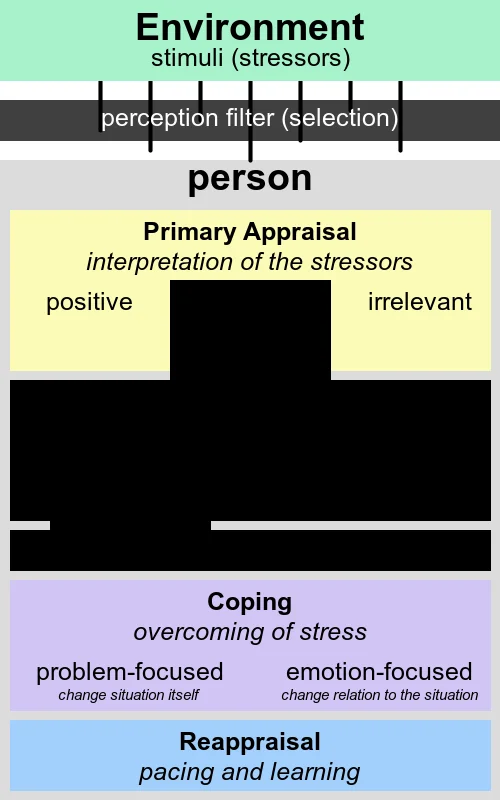
Chronic stress depletes essential nutrients that IV therapy can rapidly restore. Source: Wikimedia Commons
If you're reading this from a co-working space in Canggu, a wellness retreat in Ubud, or your villa in Seminyak while feeling completely depleted, you're not alone. Chronic stress and burnout have become epidemic, particularly among digital nomads, remote workers, and those seeking recovery in Bali's wellness community.
While stress is primarily a psychological and lifestyle issue requiring comprehensive treatment, understanding the biochemical impact of chronic stress on your body can help explain why you feel physically depleted - and how nutritional support through IV therapy can be one component of a holistic recovery approach.
This guide examines the scientific evidence behind stress-induced nutrient depletion and how IV therapy fits into a comprehensive stress recovery plan. We'll be honest about what IV therapy can and cannot do for burnout.
How Chronic Stress Depletes Nutrients
Chronic stress fundamentally alters your body's biochemistry, creating a cascade of physiological changes that rapidly deplete essential nutrients. Understanding this mechanism helps explain why you might feel physically exhausted even after adequate rest.
The HPA Axis and Stress Response
When you experience stress, your hypothalamic-pituitary-adrenal (HPA) axis activates, triggering a complex hormonal cascade. In acute stress, this is protective and adaptive. In chronic stress, this system becomes dysregulated, leading to continuous cortisol production and sustained metabolic changes.
Research published in Nutrients (2020) demonstrates that chronic HPA axis activation increases nutrient turnover by 200-300%, meaning your body consumes vitamins and minerals at two to three times the normal rate. Simultaneously, stress hormones impair nutrient absorption in the digestive system and increase urinary excretion of water-soluble nutrients.
Stress-Induced Digestive Changes
Chronic stress significantly impacts digestive function through multiple mechanisms. Elevated cortisol reduces stomach acid production, impairs pancreatic enzyme secretion, and alters gut motility. These changes compromise your ability to extract nutrients from food, even if you're eating well.
Additionally, stress disrupts the gut microbiome composition. Studies show chronic stress reduces beneficial bacteria populations and increases inflammatory species, further impairing nutrient synthesis and absorption. Your gut bacteria produce significant amounts of B vitamins and vitamin K - processes disrupted under stress.
Increased Metabolic Demand
Stress metabolism is fundamentally different from relaxed metabolism. Your body shifts into a catabolic state, breaking down tissues for energy. This process requires increased cofactors - vitamins and minerals that facilitate metabolic reactions.
Key nutrient-demanding processes during stress include: neurotransmitter synthesis (requiring B vitamins and magnesium), cortisol production (consuming vitamin C and pantothenic acid), antioxidant defense (utilizing vitamin C, vitamin E, selenium, and zinc), and cellular energy production (requiring magnesium, B vitamins, and coenzyme Q10).
The Stress-Magnesium Connection
If there's one nutrient that deserves special attention in stress recovery, it's magnesium. The relationship between stress and magnesium creates a vicious cycle: stress depletes magnesium, and low magnesium makes you more vulnerable to stress.
Why Magnesium Matters So Much
Magnesium is required for over 300 enzymatic reactions in the human body, with particularly high concentrations in the brain, heart, and muscles. It plays crucial roles in nervous system regulation, acting as a natural calcium channel blocker that prevents excessive neuronal firing and reduces nervous system excitability.
Research published in Neuropharmacology (2012) shows magnesium modulates the HPA axis, reducing excessive cortisol production. It also supports GABA neurotransmitter function, which promotes calmness and counteracts anxiety. When magnesium levels are low, your stress response becomes exaggerated and prolonged.
The Depletion Cycle
Studies demonstrate that stress hormones, particularly adrenaline and cortisol, increase urinary magnesium excretion by 200-300%. A single stressful event can trigger magnesium loss that persists for days. Chronic stress creates continuous depletion.
Compounding this problem, an estimated 75% of adults in Western populations already consume less than the recommended daily allowance of magnesium through diet alone. Processed foods, depleted soils, and modern agricultural practices have reduced dietary magnesium availability. Add chronic stress, and deficiency becomes almost inevitable.
Magnesium and Sleep Disruption
One of the most problematic effects of magnesium depletion during stress is sleep disruption. Magnesium is essential for regulating circadian rhythms and supporting deep, restorative sleep. Low magnesium contributes to difficulty falling asleep, frequent night awakenings, and reduced sleep quality.
Poor sleep further exacerbates stress and nutrient depletion, creating another vicious cycle. Research shows that magnesium supplementation improves subjective measures of insomnia, sleep efficiency, sleep time, and early morning awakening, particularly in older adults.
IV Magnesium vs Oral Supplementation
Oral magnesium bioavailability ranges from 20-50% depending on the form used (glycinate and threonate being most absorbable), and high doses often cause digestive upset and diarrhea. IV magnesium provides 100% bioavailability, bypassing digestive limitations.
For severely depleted individuals or those with impaired gut function from chronic stress, IV administration can restore levels more rapidly. However, oral supplementation remains important for ongoing maintenance, as the effects of a single IV infusion typically last 7-14 days.
B Vitamins and Adrenal Function
The B-vitamin complex plays essential roles in stress response, energy production, and nervous system function. Chronic stress dramatically increases B-vitamin requirements, and deficiencies manifest as fatigue, brain fog, mood disturbances, and impaired stress resilience.
B5 (Pantothenic Acid): The Anti-Stress Vitamin
Vitamin B5 earned the nickname "anti-stress vitamin" because it's essential for cortisol synthesis in the adrenal glands. While this might seem counterintuitive (why support more cortisol?), adequate B5 ensures your adrenal glands can respond appropriately to stress without becoming depleted.
Research shows that B5 deficiency impairs adrenal cortex function, reducing the body's ability to produce adequate stress hormones when needed. This leads to a state often called "adrenal fatigue" - while not a recognized medical diagnosis, it describes real symptoms of HPA axis dysfunction and chronic stress response impairment.
B5 is also required for coenzyme A synthesis, which is essential for fatty acid metabolism and cellular energy production. Under chronic stress, B5 requirements can increase by 50-100%.
B6 (Pyridoxine): Neurotransmitter Synthesis
Vitamin B6 is the rate-limiting cofactor for synthesizing multiple neurotransmitters, including serotonin, dopamine, GABA, and norepinephrine. These neurotransmitters regulate mood, motivation, focus, and stress response. Chronic stress rapidly depletes B6 through increased neurotransmitter turnover.
Studies published in Psychotherapy and Psychosomatics demonstrate that B6 supplementation reduces anxiety and depression symptoms, particularly when combined with magnesium. B6 also supports immune function, which is often suppressed during chronic stress.
Additionally, B6 is required for homocysteine metabolism. Chronic stress elevates homocysteine, an inflammatory marker associated with cardiovascular disease and cognitive decline. Adequate B6 (along with B12 and folate) helps maintain healthy homocysteine levels.
B12 (Cobalamin): Energy and Nerve Function
Vitamin B12 is essential for red blood cell formation, DNA synthesis, and neurological function. Deficiency manifests as profound fatigue, cognitive impairment, mood disturbances, and tingling in extremities - symptoms that overlap significantly with burnout.
While stress doesn't directly deplete B12 as rapidly as water-soluble vitamins like B6 and C, chronic stress often accompanies digestive dysfunction that impairs B12 absorption. B12 requires intrinsic factor (produced in the stomach) for absorption, and stress-induced changes in stomach acid can compromise this process.
B12 deficiency is particularly common in vegans and vegetarians (B12 is primarily found in animal products), people over 50 (reduced intrinsic factor production), and those taking certain medications (proton pump inhibitors, metformin). Combined with stress, these populations face higher risk.
Other B Vitamins in Stress Response
B1 (thiamine) is essential for glucose metabolism and nervous system function, with deficiency causing fatigue and neurological symptoms. B2 (riboflavin) supports energy production and antioxidant defense. B3 (niacin) is required for NAD+ synthesis, critical for cellular energy and DNA repair. Folate (B9) works with B12 in DNA synthesis and homocysteine metabolism.
Research consistently shows that B-complex supplementation (all B vitamins together) is more effective than individual B vitamins for stress-related symptoms, as these nutrients work synergistically.
Vitamin C Depletion Under Stress
The adrenal glands contain some of the highest concentrations of vitamin C in the entire body - up to 100 times higher than blood levels. This isn't coincidental. Vitamin C is directly consumed during cortisol synthesis and stress hormone production.
Vitamin C and Cortisol Production
Research published in Endocrine Reviews demonstrates that the adrenal cortex requires massive amounts of vitamin C to synthesize cortisol and other stress hormones. During acute stress, adrenal vitamin C concentrations can drop by 50% or more within hours.
Under chronic stress, continuous cortisol production creates sustained vitamin C depletion. While your body attempts to compensate by increasing vitamin C uptake from blood, dietary intake often cannot keep pace with demand. Studies show that individuals under high stress have significantly lower plasma vitamin C levels compared to low-stress controls, even with similar dietary intake.
Antioxidant Defense and Oxidative Stress
Chronic stress generates substantial oxidative stress - an imbalance between free radical production and antioxidant defenses. Cortisol itself increases reactive oxygen species (ROS) production, while simultaneously suppressing antioxidant enzyme activity.
Vitamin C is one of the body's primary water-soluble antioxidants, neutralizing free radicals throughout cells and plasma. Under oxidative stress conditions, vitamin C is rapidly consumed and must be regenerated (by vitamin E and glutathione) or replaced through diet or supplementation.
Studies show that high-dose vitamin C supplementation (1-2 grams daily) can reduce oxidative stress markers, lower cortisol levels, and improve subjective stress symptoms. IV vitamin C achieves much higher blood concentrations (10-100 times higher) than oral supplementation, though whether these supraphysiological doses provide additional stress-recovery benefits remains under investigation.
Immune Function During Stress
Chronic stress suppresses immune function through multiple mechanisms, and vitamin C depletion contributes to this immunosuppression. Vitamin C supports both innate and adaptive immunity, enhancing neutrophil function, natural killer cell activity, and antibody production.
For digital nomads and travelers experiencing burnout, this immune suppression can manifest as increased susceptibility to respiratory infections, slower wound healing, and viral reactivation (like cold sores). While vitamin C cannot prevent stress-induced immune suppression entirely, maintaining adequate levels supports optimal immune function.
Collagen Synthesis and Tissue Repair
Beyond stress response, vitamin C is essential for collagen synthesis throughout the body. Chronic stress accelerates tissue breakdown through elevated cortisol, which has catabolic effects on muscle, bone, and connective tissue.
Adequate vitamin C is necessary to counteract stress-induced tissue breakdown and support repair processes. This becomes particularly relevant for active individuals experiencing burnout, as they face both stress-induced catabolism and exercise-induced tissue damage.
The Cortisol-Nutrient Relationship
Cortisol, often called the "stress hormone," has profound effects on nutrient metabolism beyond the specific depletions already discussed. Understanding these effects helps explain why chronic stress creates such comprehensive nutritional challenges.
Cortisol and Protein Metabolism
Elevated cortisol promotes protein catabolism (breakdown) and gluconeogenesis (conversion of amino acids to glucose). While adaptive during acute stress (providing energy for fight-or-flight), chronic elevation leads to muscle wasting, decreased protein synthesis, and increased amino acid requirements.
This catabolic state increases requirements for branched-chain amino acids (leucine, isoleucine, valine), glutamine (immune function and gut health), and other amino acids. Many IV stress-recovery formulations include amino acids like taurine (nervous system regulation), glycine (calming neurotransmitter), and L-carnitine (energy production).
Cortisol and Mineral Balance
Chronic cortisol elevation disrupts mineral homeostasis through multiple mechanisms. Cortisol increases urinary calcium excretion (contributing to bone loss), alters sodium-potassium balance (affecting blood pressure and cellular function), and promotes zinc depletion (impairing immune function and wound healing).
Zinc deficiency is particularly problematic during chronic stress, as zinc is required for over 300 enzymatic reactions and plays crucial roles in immune function, neurotransmitter synthesis, and antioxidant defense. Studies show stressed individuals have significantly lower zinc levels, and supplementation can reduce anxiety and improve stress resilience.
Cortisol Dysregulation Patterns
Normal cortisol follows a diurnal rhythm, with highest levels in the morning (promoting wakefulness) and lowest at night (facilitating sleep). Chronic stress disrupts this pattern, creating various dysregulation profiles: elevated evening cortisol (difficulty sleeping), blunted morning cortisol (difficulty waking), or overall low cortisol (HPA axis exhaustion).
Each pattern creates different nutritional challenges. Elevated cortisol increases nutrient depletion. Low cortisol (often after prolonged stress) impairs energy production and stress adaptation, despite adequate nutrient intake. Nutritional support must be contextualized within the broader pattern of HPA axis function.
Inflammation and Nutrient Demand
While cortisol is anti-inflammatory, chronic stress paradoxically increases inflammatory markers. This occurs through glucocorticoid resistance - cells become less sensitive to cortisol's anti-inflammatory signals, requiring higher cortisol levels for the same effect.
Chronic inflammation dramatically increases nutrient requirements, particularly antioxidants (vitamins C, E, selenium), omega-3 fatty acids (anti-inflammatory), and various minerals. The combination of inflammation and stress creates compounded nutrient depletion.
IV Therapy as Part of Stress Recovery
Understanding the biochemical basis for stress-induced nutrient depletion provides context for how IV therapy can support recovery. However, it's essential to position IV therapy appropriately within a comprehensive approach to burnout - as supportive care, not primary treatment.
What IV Therapy Can Provide
IV therapy delivers nutrients directly into the bloodstream, achieving 100% bioavailability and bypassing digestive limitations. For severely depleted individuals or those with impaired gut function from chronic stress, this offers significant advantages over oral supplementation for rapid nutrient repletion.
Typical stress-recovery IV formulations include: hydration base (sodium chloride or Ringer's lactate), magnesium (1-2g, glycinate or sulfate), B-complex vitamins (high-dose B5, B6, B12), vitamin C (2-10g, typically 5g for stress), amino acids (taurine, glycine, L-carnitine), and sometimes additional minerals (zinc, selenium).
Many people report feeling more energized, mentally clear, and less anxious within hours of treatment. These effects may result from rapid correction of deficiencies, improved hydration (dehydration exacerbates stress symptoms), and possibly placebo effects (which are not inherently negative if they support overall recovery).
Evidence for IV Nutrients in Stress
While robust randomized controlled trials specifically examining IV nutrient therapy for chronic stress and burnout are limited, considerable evidence supports the individual components. Studies show that magnesium supplementation reduces anxiety and improves sleep, B-complex vitamins reduce psychological stress and improve mood, and vitamin C lowers cortisol levels and reduces perceived stress.
Most research uses oral supplementation, but studies comparing IV to oral delivery for micronutrients consistently demonstrate higher blood concentrations with IV administration. Whether these higher concentrations translate to superior clinical outcomes for stress recovery specifically remains an open question.
A 2014 study in Journal of Alternative and Complementary Medicine examined Myers' Cocktail (a common IV formulation containing magnesium, calcium, B vitamins, and vitamin C) for fibromyalgia patients and found significant improvements in quality of life and symptom reduction. While fibromyalgia differs from burnout, both involve chronic stress, fatigue, and nutrient depletion.
Limitations and Realistic Expectations
IV therapy provides nutritional support but does not address the root causes of chronic stress and burnout. If you're experiencing burnout from overwork, toxic relationships, financial stress, or unprocessed trauma, IV therapy alone will not resolve these issues.
Additionally, the effects of a single IV treatment are temporary. Nutrient levels will begin declining within days to weeks without addressing ongoing depletion (through stress management) and maintaining intake (through diet and possibly oral supplementation). Most protocols involve weekly sessions for 4-8 weeks, then monthly maintenance, but long-term IV dependency is not an ideal solution.
IV therapy should be viewed as a tool to help restore depleted reserves while you simultaneously address lifestyle, psychological, and situational factors contributing to burnout. It's supportive care within a broader recovery framework, not a standalone cure.
Safety Considerations
When administered by qualified medical professionals using sterile technique and appropriate dosing, IV nutrient therapy is generally safe. However, risks include: infection at injection site, vein irritation or phlebitis, allergic reactions to specific nutrients, electrolyte imbalances if improperly formulated, and interactions with medications.
Individuals with kidney disease require special caution with high-dose magnesium and vitamin C. Those with certain cardiac conditions may not tolerate rapid fluid administration. Always disclose complete medical history and current medications to your IV therapy provider.
Digital Nomad Burnout in Bali
Bali has become a global hub for digital nomads, remote workers, and location-independent entrepreneurs. While the island offers incredible natural beauty, affordable living, vibrant community, and ideal working conditions, many nomads experience unique stressors that contribute to burnout.
Unique Stressors for Digital Nomads
Digital nomad burnout differs from traditional workplace burnout in several ways. Constant movement disrupts routines essential for stress management (regular sleep, consistent meal times, established exercise habits). Time zone differences create pressure to work during local nighttime hours, disrupting circadian rhythms and sleep quality.
The always-on culture of remote work blurs boundaries between work and personal life. Without physical separation between office and home, many nomads work longer hours than they would in traditional employment. The pressure to justify "living the dream" can create shame around acknowledging stress and difficulty.
Social isolation is common, despite community spaces like co-working venues. Transient relationships lack the depth and stability of long-term friendships. Cultural differences and language barriers can be exhausting. The mental load of constantly navigating unfamiliar systems (healthcare, banking, transportation) adds chronic low-level stress.
Nutritional Challenges in Bali
While Bali offers abundant fresh fruits, vegetables, and healthy food options (particularly in areas like Canggu and Ubud), nutritional deficiencies are common among expats. Stress-induced digestive issues may develop from new bacteria exposures, different food preparation practices, and changes in diet quality.
Many nomads experience periodic Bali belly or digestive disturbances that impair nutrient absorption for weeks at a time. Vitamin D deficiency is paradoxically common despite tropical location, as many remote workers spend most time indoors in co-working spaces or cafes.
B12 deficiency may develop in those following plant-based diets (increasingly popular in Bali's wellness community) without proper supplementation. Magnesium deficiency is exacerbated by high temperatures increasing sweat losses, and inadequate mineral-rich food consumption.
How IV Therapy Fits into Nomad Wellness
For digital nomads experiencing burnout, IV therapy offers several practical advantages. Mobile service eliminates need to travel to clinics, fitting seamlessly into busy schedules. Rapid treatment (20 minutes) doesn't require taking time away from work or social activities.
The immediate energy and mental clarity reported by many patients provides much-needed relief when facing deadlines or important meetings. For those with impaired digestion from stress or travel, IV delivery bypasses absorption issues. The convenience and effectiveness make it popular among the nomad community.
However, IV therapy should complement (not replace) fundamental burnout prevention strategies: setting work boundaries, maintaining regular sleep schedules, establishing exercise routines, building meaningful relationships, and seeking professional mental health support when needed. Many nomads use IV therapy as a monthly wellness boost while actively working on lifestyle balance.
Community Resources for Burnout Recovery
Bali offers extensive resources for stress and burnout recovery beyond IV therapy. Numerous psychologists and therapists serve the expat community (many offering online sessions). Yoga studios, meditation centers, and wellness retreats provide stress management tools and community support.
Co-working spaces increasingly offer wellness programs, mental health workshops, and peer support groups. Digital nomad communities organize social activities, sports groups, and skill-sharing events that combat isolation. Taking advantage of these resources creates comprehensive support for burnout recovery.
Retreat and Wellness Program Support
Bali attracts thousands of people annually specifically for wellness retreats, burnout recovery programs, and healing experiences. IV therapy has become a common component of many retreat offerings, providing nutritional support during intensive transformation work.
Why Retreats Incorporate IV Therapy
Wellness retreats often involve intensive physical activities (yoga, surfing, hiking), detoxification programs, significant dietary changes, and deep emotional processing work. These activities, while ultimately healing, can be physically demanding and temporarily depleting.
IV therapy supports retreat participants by maintaining energy levels during demanding schedules, supporting hydration in tropical heat, providing nutrients that may be limited during specialized diets (like juice cleanses), and helping manage detoxification symptoms from dietary changes or substance withdrawal programs.
Many retreat centers offer arrival IV treatments to help participants recover from travel stress and jet lag, mid-retreat boosters to maintain energy and hydration, and departure treatments to support the transition back to regular life. This integration creates a comprehensive physiological support system for psychological and spiritual work.
Detoxification and Cleanse Programs
Many wellness retreats emphasize detoxification through juice fasts, raw food diets, colonics, and other cleansing practices. While the concept of "detox" is often overstated (your liver and kidneys handle detoxification continuously), significant dietary changes can create temporary nutrient gaps and increased elimination of water-soluble nutrients.
IV therapy during cleanse programs can provide essential nutrients (particularly electrolytes, B vitamins, and vitamin C) without disrupting the dietary protocol. This helps participants maintain energy and avoid the severe fatigue, headaches, and irritability that can accompany restrictive detox programs.
However, it's important to approach detoxification programs critically. Extreme cleanses can be counterproductive, and IV therapy should not be used to enable unsafe or overly restrictive programs. Always ensure retreat protocols are supervised by qualified health professionals.
Mental Health and Trauma Processing
Many people come to Bali specifically to work through trauma, grief, or significant life transitions. This emotional processing work is profoundly stressful at a physiological level, activating the same stress response systems as physical stressors.
Intensive therapy, breathwork, plant medicine ceremonies, and other transformational practices create substantial demands on the nervous system. Nutritional support through IV therapy may help maintain physical resilience during this work, though it's crucial to understand that IV therapy does not substitute for professional mental health care.
Some retreat centers specifically combine IV nutrient therapy with psychotherapy, somatic experiencing, EMDR, and other trauma-focused interventions. The nutritional support is viewed as creating optimal physiological conditions for neurological healing and integration.
Integration and Long-Term Change
The greatest challenge after wellness retreats is integration - maintaining the insights and practices when returning to regular life. This transition often triggers stress as participants face the same environments and pressures that contributed to original burnout.
IV therapy during the integration period (first 4-8 weeks after returning home) may provide transitional support. However, long-term wellness requires sustainable practices: continued therapy, meditation or mindfulness practice, regular exercise, stress management skills, boundary setting, and potentially career or relationship changes.
The most successful retreat participants use the experience as a catalyst for ongoing change rather than expecting a single transformational event to permanently resolve chronic stress and burnout. IV therapy can support this process but cannot replace the work of building a sustainable, balanced life.
Combining IV Therapy with Lifestyle Changes
For IV therapy to provide meaningful benefits for stress recovery, it must be integrated with comprehensive lifestyle changes that address the root causes of burnout. Here's how to build a holistic recovery approach.
Sleep Optimization
Sleep is non-negotiable for stress recovery. Chronic stress disrupts sleep, and poor sleep exacerbates stress - creating a vicious cycle. Prioritize 7-9 hours of quality sleep by maintaining consistent sleep-wake times (even on weekends), creating a dark, cool, quiet sleep environment, avoiding screens 1-2 hours before bed, and limiting caffeine after midday.
Magnesium from IV therapy may improve sleep quality, but only if you also address sleep hygiene. Consider additional sleep supports like meditation apps, white noise, blackout curtains, and possibly melatonin supplementation (consult a healthcare provider first, particularly for long-term use).
Stress Management Practices
Active stress management techniques are essential. Evidence-based practices include: mindfulness meditation (even 10 minutes daily shows benefits), yoga or tai chi (combining movement and mindfulness), breathwork exercises (like box breathing or 4-7-8 technique), progressive muscle relaxation, and time in nature.
Bali offers exceptional resources for learning these practices. Consider joining a meditation course, attending yoga classes, or working with a breathwork facilitator. Building these skills creates long-term stress resilience that extends far beyond nutrient repletion.
Nutritional Foundation
While IV therapy provides acute nutrient repletion, dietary improvements create sustainable nutrient sufficiency. Focus on whole foods rich in stress-protective nutrients: leafy greens and nuts/seeds for magnesium, quality protein for amino acids and B vitamins, colorful fruits and vegetables for vitamin C and antioxidants, and fatty fish or algae for omega-3s.
Consider working with a nutritionist familiar with stress and burnout to create a personalized eating plan. Many people benefit from ongoing oral supplementation (magnesium glycinate, B-complex, vitamin D, omega-3s) to maintain levels between IV treatments and eventually transition away from IV dependency.
Movement and Exercise
Regular physical activity is one of the most effective stress management interventions, with benefits for mood, sleep, energy, and resilience. However, exercise type matters during burnout recovery. Intense training can exacerbate stress if you're severely depleted.
During acute burnout, prioritize restorative movement: walking, gentle yoga, swimming, tai chi. As you recover, gradually reintroduce moderate-intensity exercise. Listen to your body - if you feel more exhausted rather than energized after workouts, reduce intensity. Bali's environment makes outdoor movement particularly accessible and enjoyable.
Social Connection and Community
Social isolation amplifies stress and impedes recovery. Prioritize meaningful connections, even when it feels difficult. Join communities aligned with your interests (co-working groups, sports teams, hobby clubs, spiritual communities). Schedule regular video calls with friends and family from home.
Consider working with a therapist or coach who understands digital nomad challenges and burnout recovery. Having professional support provides accountability and guidance through the recovery process. Many Bali-based therapists specialize in expat mental health and can offer both immediate support and long-term strategies.
Work Boundaries and Life Design
For many people, particularly remote workers, addressing work-life boundaries is essential for burnout recovery. This might mean: setting strict work hours and actually stopping, taking real days off without checking email, communicating boundaries clearly with clients or employers, delegating or eliminating non-essential tasks, and possibly making bigger changes like reducing work hours, changing roles, or reassessing career direction entirely.
These changes can feel scary and impractical, but chronic burnout has serious long-term health consequences. Working with a coach or therapist can help navigate these decisions and develop sustainable approaches to work and life integration.
When You Need More Than IV Therapy
IV therapy provides nutritional support, but burnout often involves clinical mental health conditions that require professional treatment. It's crucial to recognize when symptoms indicate you need psychological or psychiatric care beyond wellness interventions.
Distinguishing Burnout from Depression
Burnout and depression share many symptoms: fatigue, lack of motivation, difficulty concentrating, sleep disturbances, and loss of interest in previously enjoyable activities. However, burnout is typically context-specific (related to work or specific stressors) while depression is pervasive across all life domains.
If you experience: persistent feelings of worthlessness or hopelessness, significant changes in appetite or weight, thoughts of death or self-harm, inability to experience pleasure in anything (anhedonia), or symptoms persisting despite removing stressors, professional evaluation for clinical depression is essential.
Depression is a medical condition that may require psychotherapy, medication, or both. Nutrient deficiencies can contribute to depression symptoms, but treating deficiencies alone rarely resolves clinical depression. Always consult a mental health professional if you suspect depression.
Anxiety Disorders and Panic
Chronic stress often triggers or exacerbates anxiety disorders. While some anxiety is normal during stressful periods, clinical anxiety disorders involve excessive worry that interferes with daily functioning, physical symptoms like heart palpitations and shortness of breath, panic attacks, or avoidance behaviors.
Magnesium deficiency can contribute to anxiety symptoms, and repletion may provide some relief. However, anxiety disorders typically require evidence-based psychological treatment (cognitive behavioral therapy is particularly effective) and sometimes medication. Don't rely solely on nutritional interventions for clinical anxiety.
Trauma and PTSD
Many people experiencing burnout have underlying trauma that chronic stress has reactivated or intensified. Post-traumatic stress disorder (PTSD) involves re-experiencing traumatic events through flashbacks or nightmares, avoidance of trauma-related stimuli, negative changes in thoughts and mood, and hyperarousal.
PTSD requires specialized trauma-focused therapy like EMDR (Eye Movement Desensitization and Reprocessing), prolonged exposure therapy, or somatic experiencing. While IV therapy might provide supportive care during trauma treatment, it does not address trauma itself. Many therapists in Bali specialize in trauma work and serve the expat community.
Substance Use and Addiction
Chronic stress and burnout frequently co-occur with problematic substance use as people attempt to self-medicate stress, anxiety, or depression. If you're using alcohol, drugs, or other substances to cope with stress, or if substance use is causing problems in your life, professional addiction treatment is essential.
IV therapy is sometimes marketed for addiction detoxification support. While it can help manage some withdrawal symptoms and address nutritional deficiencies common in addiction, it is not addiction treatment. Comprehensive addiction care requires medical detoxification (if needed), therapy, support groups, and often long-term recovery programming.
Accessing Mental Health Care in Bali
Bali has a growing mental health infrastructure serving the international community. Options include: licensed psychologists and therapists offering in-person and online sessions, psychiatrists who can prescribe medication if needed, support groups for various concerns (addiction recovery, expat adjustment, grief), crisis hotlines and emergency services, and intensive outpatient programs for more serious conditions.
Many insurance plans cover mental health treatment, including services received internationally. Check your coverage and ask providers about documentation for insurance claims. Don't let cost prevent you from seeking necessary care - many providers offer sliding scale fees, and investing in mental health treatment provides immense long-term value.
The Integration of Medical and Wellness Care
The ideal approach to burnout recovery integrates medical treatment (when needed), psychological therapy, lifestyle changes, and supportive wellness interventions like IV therapy. None of these alone is sufficient, but together they create comprehensive support for healing.
Communicate openly with all providers about your complete care plan. Your therapist, prescribing psychiatrist (if applicable), and IV therapy provider should all be aware of what treatments you're receiving to ensure safe, coordinated care without contraindications.
Frequently Asked Questions
How does chronic stress deplete nutrients from the body?
Chronic stress triggers sustained activation of the hypothalamic-pituitary-adrenal (HPA) axis, leading to continuous cortisol production. This process rapidly depletes magnesium (used in 300+ enzymatic reactions under stress), B vitamins (particularly B5, B6, and B12 needed for neurotransmitter synthesis), and vitamin C (concentrated in adrenal glands and consumed during cortisol production). Research shows stress can increase nutrient excretion by 200-300% and impair nutrient absorption through digestive system changes.
Why is magnesium especially important during periods of high stress?
Magnesium is essential for regulating the stress response system. It modulates the HPA axis, acts as a natural calcium channel blocker to reduce nervous system excitability, supports GABA neurotransmitter function for calmness, and is required for ATP energy production. Studies show 75% of adults are already magnesium deficient, and stress further depletes levels by 200-300%. Low magnesium creates a vicious cycle where stress depletes magnesium, and low magnesium makes you more sensitive to stress.
Can IV therapy replace therapy or medication for stress and burnout?
No. IV therapy provides nutritional support but does not address the psychological, behavioral, or situational causes of chronic stress and burnout. Professional mental health treatment, lifestyle changes, stress management techniques, and sometimes medication are essential for comprehensive burnout recovery. IV therapy works best as a complementary support alongside these primary interventions, not as a replacement.
How quickly can I expect to feel better after a stress recovery IV?
Individual responses vary significantly. Some people report feeling more energized and mentally clear within hours of treatment, particularly if they have significant nutrient deficiencies. However, meaningful recovery from burnout typically requires multiple sessions over weeks combined with lifestyle changes. Acute energy improvements may occur quickly, but restoring depleted nutrient stores and nervous system balance takes time. Most protocols involve weekly sessions for 4-8 weeks.
Is IV therapy better than oral supplements for stress recovery?
IV therapy offers higher bioavailability (100% vs 20-80% for oral) and bypasses the digestive system, which can be impaired during chronic stress. This makes IV therapy particularly useful for rapid repletion of severely depleted nutrients. However, oral supplementation is more cost-effective for maintenance and long-term support. An optimal approach often combines initial IV therapy for rapid repletion with ongoing oral supplementation and dietary improvements.
What nutrients are most important in a stress recovery IV drip?
Evidence-based stress recovery formulations typically include: Magnesium (glycinate or sulfate, 1-2g) for nervous system regulation; B-complex vitamins (especially B5 for adrenal support, B6 for neurotransmitter synthesis, B12 for energy and nerve function); Vitamin C (high-dose, 2-10g) to support adrenal glands and reduce oxidative stress; and amino acids like taurine and glycine for neurotransmitter balance. Hydration with electrolytes forms the base.
How can IV therapy support digital nomad burnout recovery in Bali?
Digital nomads often face unique stressors: constant travel disrupting routines, time zone changes affecting sleep, poor diet in unfamiliar environments, isolation from support networks, and always-on work culture. IV therapy provides convenient nutritional support that addresses travel-related nutrient depletion, helps restore energy during lifestyle transitions, supports immune function in new environments, and complements wellness retreat programs. Mobile IV delivery makes it accessible for busy nomads without disrupting work schedules.
When should I seek professional mental health care instead of just IV therapy?
Seek professional mental health support if you experience: persistent feelings of hopelessness or depression, anxiety that interferes with daily functioning, thoughts of self-harm, significant sleep disturbances lasting weeks, inability to function at work or in relationships, substance use to cope with stress, or physical symptoms without medical explanation. IV therapy can support your overall wellness but cannot treat mental health conditions. Bali has qualified psychologists and psychiatrists for expats and tourists.
Supporting Your Stress Recovery Journey
If you're experiencing burnout and want to explore how IV therapy can support your recovery alongside lifestyle changes and professional care, our medical team is here to help with personalized, evidence-based treatment.
Scientific References
- [1] Seelig MS. (1994). "Consequences of magnesium deficiency on the enhancement of stress reactions; preventive and therapeutic implications." Journal of the American College of Nutrition, 13(5), 429-446.PubMed
- [2] Kennedy DO. (2016). "B Vitamins and the Brain: Mechanisms, Dose and Efficacy." Nutrients, 8(2), 68.PubMed
- [3] Brody S, et al. (2002). "A randomized controlled trial of high dose ascorbic acid for reduction of blood pressure, cortisol, and subjective responses to psychological stress." Psychopharmacology, 159(3), 319-324.PubMed
- [4] Boyle NB, et al. (2017). "The Effects of Magnesium Supplementation on Subjective Anxiety and Stress." Nutrients, 9(5), 429.PubMed
- [5] Stough C, et al. (2011). "The effect of 90 day administration of a high dose vitamin B-complex on work stress." Human Psychopharmacology, 26(7), 470-476.PubMed
Related Articles
Digital Nomad Health Guide
Comprehensive health and wellness strategies for remote workers and digital nomads in Bali.
IV Therapy vs Oral Vitamins
Evidence-based comparison of IV nutrient delivery versus oral supplementation for various health goals.
First-Time IV Therapy Guide
Everything you need to know before your first IV therapy session, from preparation to what to expect.