Electrolytes are minerals that carry an electric charge when dissolved in water. They're not just about sports drinks — they're fundamental to nearly every physiological process in your body, from heartbeat regulation to muscle contraction to nerve signaling. Understanding electrolytes is key to understanding true hydration.
What Are Electrolytes?
Electrolytes are minerals that have an electric charge when dissolved in water or body fluids, including blood. They are vital for numerous physiological functions and help regulate processes including hydration, nerve function, and muscle contractions.
Sodium
Potassium
Magnesium
Calcium
Chloride
Phosphate
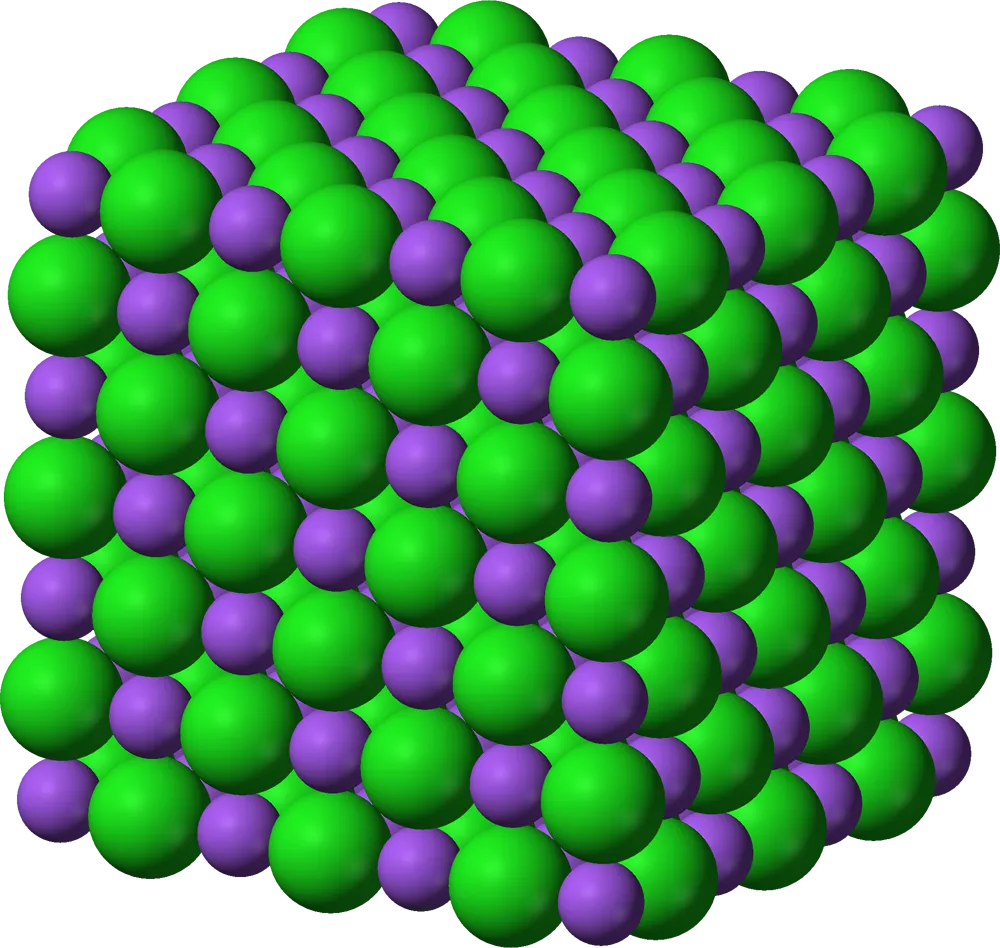
Sodium chloride crystal structure - key for fluid balance
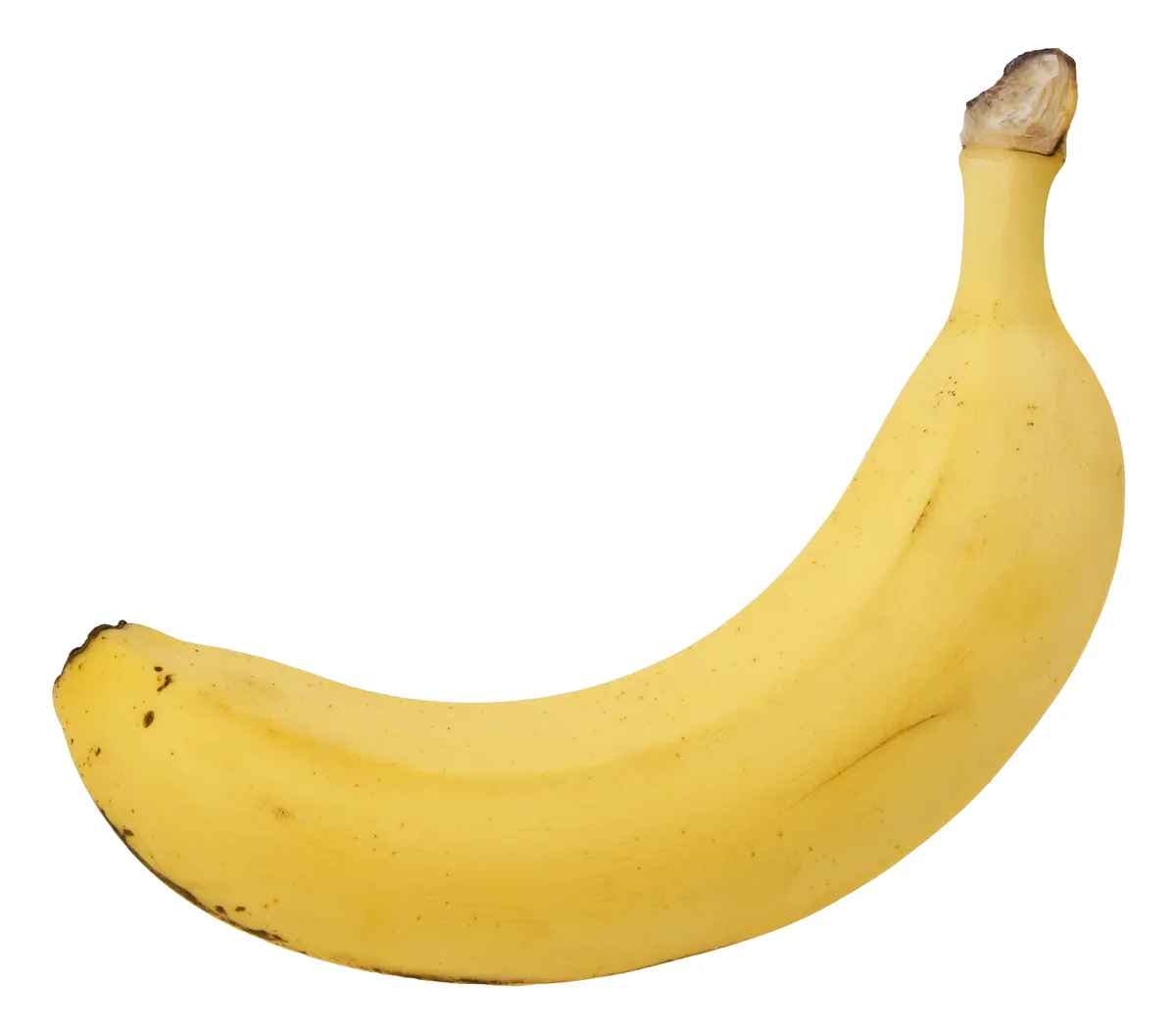
Bananas are rich in potassium for muscle function
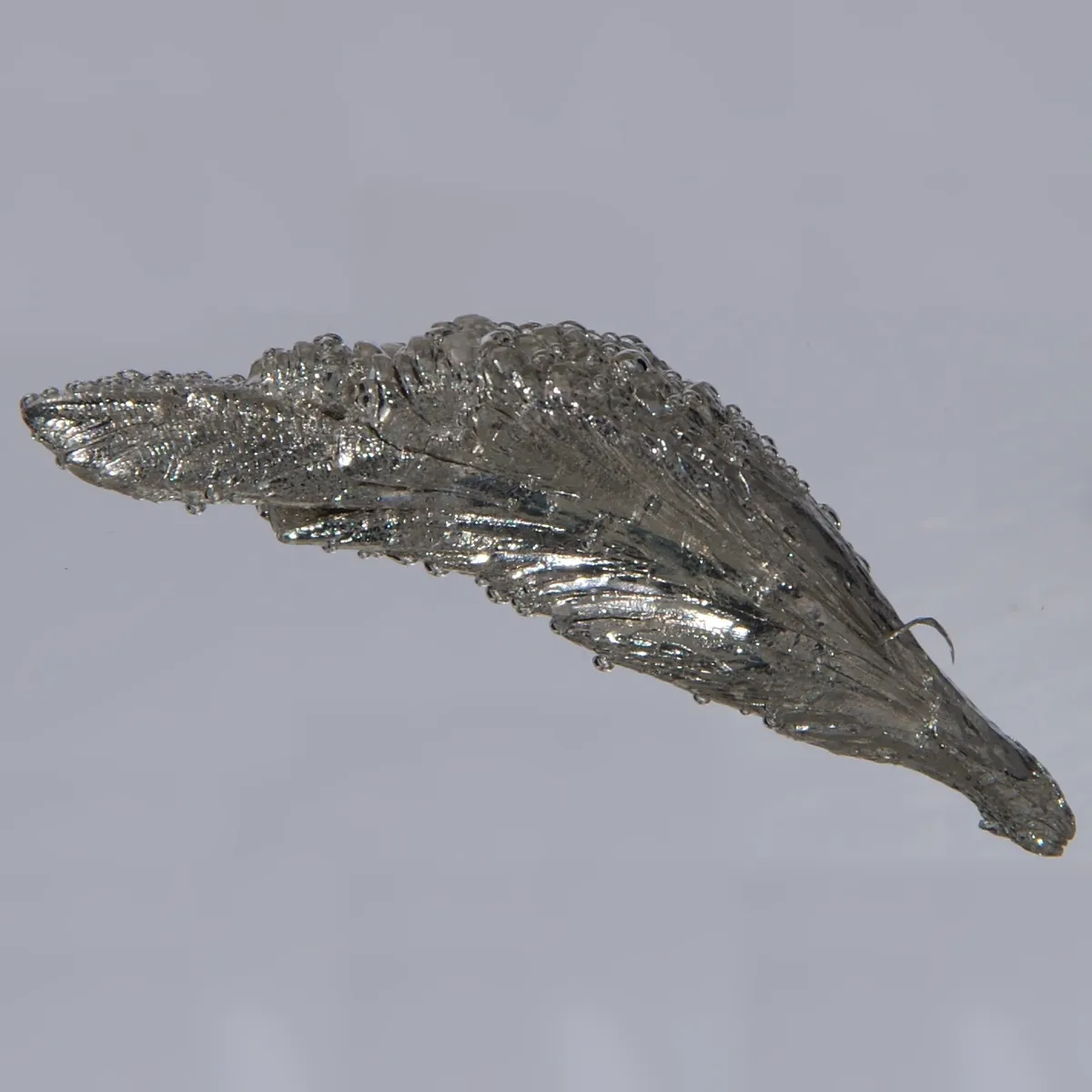
Magnesium supports over 300 enzymatic reactions
Key Electrolytes and Their Roles
Sodium
Sodium helps control the amount of fluid in the body and plays a vital role in regulating blood pressure and fluid balance. It's essential for the cardiovascular system and necessary for proper nerve and muscle function.
Key Functions
- • Fluid balance regulation
- • Blood pressure control
- • Nerve impulse transmission
Imbalance Signs
- • Low: Headache, confusion, fatigue
- • High: Thirst, swelling, high BP
Potassium
Potassium helps your cells, heart, and muscles work properly. It regulates heart rhythm, ensuring your heart beats at a steady pace, and helps muscles contract and relax properly.
Key Functions
- • Heart rhythm regulation
- • Muscle contraction
- • Cellular function
Imbalance Signs
- • Low: Weakness, fatigue, irregular heartbeat
- • High: Muscle weakness, numbness
Magnesium
Magnesium helps your muscles, nerves, and heart work properly. It also helps control blood pressure and blood glucose levels. It's involved in over 300 enzymatic reactions.
Key Functions
- • Muscle relaxation
- • Energy production (ATP)
- • Nervous system regulation
Imbalance Signs
- • Low: Cramps, tremors, fatigue
- • Often depleted with sweating
Calcium
Helps make and keep bones and teeth strong. Also essential for muscle contraction, blood clotting, and heart function.
Chloride
Helps control the amount of fluid in the body and helps maintain healthy blood volume and blood pressure. Works closely with sodium.
Why Electrolytes Matter for Hydration
Water alone isn't enough for true hydration. Electrolytes play a key role in retaining water in the body — they help draw fluids into cells and ensure proper hydration levels. A balanced intake of electrolytes is essential for maximizing hydration from fluids consumed.
The Hydration Equation
Water
The medium that carries nutrients and enables chemical reactions
Electrolytes
Regulate fluid balance and enable water absorption into cells
True Hydration
Cellular hydration with proper mineral balance
Why You Lose Electrolytes
When the body loses fluids — through sweating, vomiting, diarrhea, or even excessive alcohol consumption — it also loses electrolytes. This is why drinking plain water after heavy sweating or illness often isn't enough to restore proper hydration.
IV vs. Oral Hydration: Speed Matters
Minutes
For oral fluids to fully absorb through the digestive system
Minutes
For IV therapy to deliver noticeable results
IV therapy delivers a sterile solution directly into your bloodstream through a vein. This method bypasses the digestive system entirely for rapid absorption and faster results. Drinking water goes through the digestive system and can take 60-120 minutes to fully absorb. In contrast, IV hydration provides fast availability to tissues and cells.
| Factor | Oral Hydration | IV Hydration |
|---|---|---|
| Absorption Speed | 60-120 minutes | Immediate to bloodstream |
| Digestive System | Must pass through GI tract | Bypassed completely |
| Absorption Rate | Variable (depends on gut health) | 100% bioavailability |
| Volume Limits | Limited by stomach capacity | Controlled medical delivery |
| For Nausea/Vomiting | Often impossible | Effective alternative |
Types of IV Fluids
Different IV fluid formulations are used for different purposes. Here are the main categories:
Crystalloids
Contain water and electrolytes that easily pass through cell membranes. Used for general hydration and mild to moderate imbalances.
Normal Saline (0.9% NaCl)
Salt water solution matching blood salinity
Lactated Ringer's
Contains sodium, chloride, potassium, calcium, lactate
D5W (Dextrose 5% in Water)
Provides hydration plus glucose for energy
Colloids
Contain larger molecules that stay within the bloodstream longer. Useful in cases of severe dehydration or significant fluid loss.
These are typically used in hospital settings for more severe conditions and are not commonly used in outpatient IV therapy.
Lactated Ringer's: The Gold Standard
Lactated Ringer's solution is often considered the gold standard for aggressive fluid replacement. It contains a balanced mix of electrolytes (sodium, chloride, potassium, calcium) plus lactate, which the liver converts to bicarbonate to help maintain proper blood pH.
When IV Hydration Is Most Beneficial
Hangover Recovery
Alcohol depletes fluids and electrolytes. IV rehydration rapidly restores balance.
Bali Belly / Food Poisoning
When vomiting/diarrhea makes oral intake impossible, IV is the solution.
Heat Exhaustion
Bali's tropical heat causes significant fluid and electrolyte loss through sweating.
Post-Flight Dehydration
Airplane cabins have very low humidity, causing dehydration during long flights.
Athletic Performance
Intense exercise depletes electrolytes faster than most people can replenish orally.
Chronic Fatigue
Subclinical dehydration is a common cause of persistent fatigue and low energy.
What to Expect from IV Hydration Therapy
Assessment
Our nurse assesses your hydration status and symptoms to determine the most appropriate IV fluid formulation and any additional supplements needed.
IV Placement
A small IV catheter is placed in your arm. Most people describe this as a brief pinch similar to a blood draw.
20 Minute Infusion
The IV fluids are administered over 20 minutes. Many people start feeling better before the infusion is even complete.
Noticeable Results
IV therapy replenishes fluids and electrolytes immediately, often delivering noticeable results within 20 minutes. Resume normal activities right away.
Signs You May Need Electrolyte Replacement
Mild to Moderate Dehydration
- • Thirst and dry mouth
- • Dark yellow urine
- • Fatigue and low energy
- • Headache
- • Muscle cramps
- • Dizziness when standing
Severe Dehydration (Seek Help)
- • Very dark or no urine output
- • Rapid heartbeat
- • Confusion or irritability
- • Sunken eyes
- • Extreme thirst
- • Very dry skin with no elasticity
Rapid Rehydration in Bali
Feeling dehydrated? Our licensed medical team delivers IV hydration therapy directly to your villa, hotel, or accommodation. Fast relief when you need it most.
Get IV Hydration Now