Medical Disclaimer: This article provides evidence-based information for educational purposes only and does not constitute medical advice. Individual responses to treatments vary. If experiencing severe symptoms such as persistent vomiting, chest pain, confusion, or inability to keep fluids down for 12+ hours, seek immediate medical attention. Always consult healthcare professionals for personalized medical guidance.
Table of Contents
- 1. Why Hangovers Happen: The Science
- 2. Coffee for Hangovers: Pros and Cons
- 3. OTC Pain Pills: Risks with Alcohol
- 4. Hair of the Dog: Why This Myth Persists
- 5. Home Remedies Reviewed
- 6. How IV Therapy Works
- 7. Speed Comparison: What Works Fastest
- 8. Cost-Benefit Analysis
- 9. When Each Option Makes Sense
- 10. Frequently Asked Questions
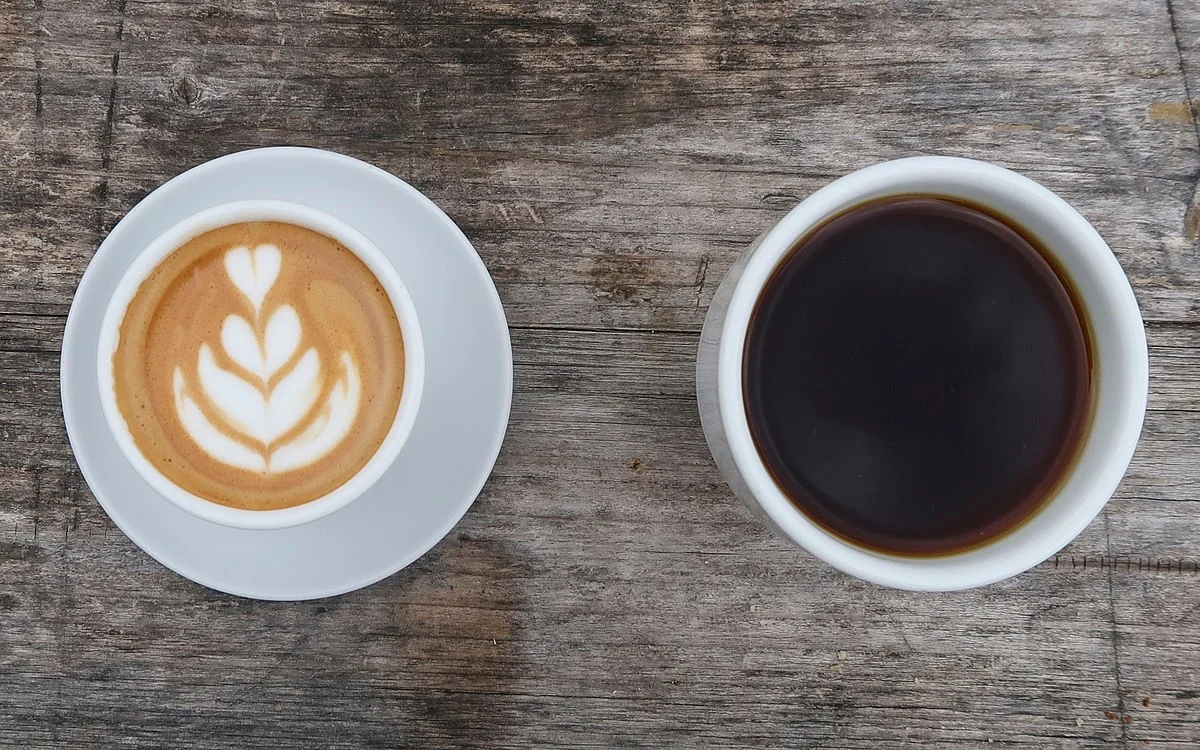
Coffee is a popular but imperfect hangover remedy - effective for alertness but potentially worsening dehydration. Source: Wikimedia Commons
You wake up with pounding headache, nausea, and regret. Your options seem endless: chug water, down coffee, pop pills, try grandmother's secret remedy, or call for IV therapy. But which approach actually works, and which are just expensive placebos or potentially harmful?
This evidence-based comparison examines the most common hangover treatments, comparing their mechanisms, speed, effectiveness, costs, and appropriate use cases. The goal isn't to convince you that one method is universally superior, but to help you make informed decisions based on your specific situation.
Some treatments work quickly but cost more. Others are cheap but slow. Some carry risks you might not know about. Understanding these trade-offs empowers better choices during your most vulnerable moments.
1. Why Hangovers Happen: The Science
Before comparing cures, we need to understand what causes hangovers. Alcohol creates a cascade of physiological disruptions that manifest as the familiar misery of "veisalgia" (the medical term for hangover).
Primary Mechanisms:
- Dehydration: Alcohol suppresses vasopressin (antidiuretic hormone), causing kidneys to excrete more water than normal. Consuming 50g of alcohol can eliminate 600-1000ml of excess fluid.
- Electrolyte Imbalance: Along with water, you lose sodium, potassium, magnesium, and phosphate. Magnesium depletion specifically contributes to headaches and muscle weakness.
- Acetaldehyde Toxicity: Your liver converts alcohol to acetaldehyde, a compound 10-30 times more toxic than alcohol itself. When acetaldehyde accumulates, it causes nausea, headache, and elevated heart rate.
- Inflammation: Alcohol triggers inflammatory immune responses, releasing cytokines that contribute to cognitive impairment and malaise.
- Blood Sugar Disruption: Alcohol interferes with glucose production, potentially causing hypoglycemia which manifests as fatigue, weakness, and mood disturbances.
- Sleep Disruption: Alcohol suppresses REM sleep and causes frequent awakenings, leaving you fatigued despite spending hours in bed.
Understanding these mechanisms helps explain why certain treatments work and others don't. Effective hangover remedies must address multiple pathways simultaneously, not just one symptom.
2. Coffee for Hangovers: Pros and Cons
Coffee is one of the most popular hangover remedies worldwide. The caffeine boost feels intuitively helpful when you're struggling to function. But does science support this instinct?
Pros of Coffee:
- Vasoconstriction: Caffeine constricts dilated blood vessels in the brain, potentially reducing headache severity. This is why caffeine is included in many pain medications.
- Alertness Boost: Caffeine blocks adenosine receptors, temporarily improving focus and reducing fatigue perception. Effect begins in 15-30 minutes.
- Mood Enhancement: Caffeine stimulates dopamine release, providing temporary mood elevation during the hangover blues.
- Widely Available: Easy to obtain and inexpensive ($2-5).
Cons of Coffee:
- Worsens Dehydration: Coffee is a mild diuretic. While the hydration from the liquid partially offsets this, you're still not optimally rehydrating compared to water.
- Gastric Irritation: Coffee increases stomach acid production. If you're already nauseous from alcohol-induced gastritis, coffee can worsen symptoms.
- Temporary Solution: Caffeine masks fatigue but doesn't address underlying dehydration, electrolyte loss, or toxin accumulation. When caffeine wears off (4-6 hours), you may feel worse.
- Anxiety Amplification: For some people, caffeine increases anxiety and jitteriness, exacerbating hangover-related mood disturbances.
- No Rehydration: Coffee provides zero electrolyte replacement and minimal hydration benefit.
Verdict: Coffee can provide temporary symptom relief for mild hangovers, particularly headache and fatigue. However, drink it only after rehydrating with water and electrolytes. Don't rely on coffee as your primary treatment, and limit intake to one cup to avoid worsening dehydration. If you're nauseous, skip coffee entirely.
3. OTC Pain Pills: Risks with Alcohol
Reaching for ibuprofen or acetaminophen seems logical when your head is pounding. However, mixing these medications with alcohol or taking them too soon carries significant risks many people don't realize.
Ibuprofen (Advil, Motrin) - NSAIDs:
How It Works: Reduces inflammation and blocks pain signals by inhibiting prostaglandin synthesis.
Effectiveness: Can reduce headache and body aches within 20 minutes.
Risks:
- Gastric irritation and potential bleeding. Alcohol already inflames your stomach lining; NSAIDs compound this damage.
- Increased risk of stomach ulcers with combined use.
- Kidney stress, especially if dehydrated. Alcohol and NSAIDs both stress kidneys; combining them during dehydration increases acute kidney injury risk.
Best Practice: Wait until alcohol has fully metabolized (8+ hours after last drink). Take with food. Use lowest effective dose.
Acetaminophen (Tylenol, Paracetamol):
How It Works: Reduces pain and fever through mechanisms not fully understood, likely involving COX enzyme pathways in the brain.
Effectiveness: Moderate pain relief within 20 minutes.
Risks:
- Severe hepatotoxicity: Both acetaminophen and alcohol are metabolized by the liver. Taking acetaminophen while alcohol is still in your system dramatically increases liver damage risk.
- The combination can lead to acute liver failure in severe cases.
- Chronic alcohol users have depleted glutathione stores, making them even more vulnerable to acetaminophen toxicity.
Best Practice: AVOID acetaminophen for at least 12-24 hours after drinking. If you must use a pain reliever sooner, ibuprofen with food is safer.
Aspirin:
How It Works: Similar to ibuprofen (NSAID family), reduces inflammation and pain.
Effectiveness: Moderate pain relief within 20 minutes.
Risks:
- Gastric bleeding risk, potentially more severe than ibuprofen.
- Blood thinning effects can be dangerous if you have any internal bleeding from alcohol-induced gastritis.
Best Practice: Generally not recommended for hangovers. If used, take with food after full alcohol metabolism.
Verdict: OTC pain medications can help with headache and body aches, but timing and choice matter significantly. Ibuprofen with food is safest if used 8+ hours after drinking. Never take acetaminophen while alcohol is metabolizing. Remember that pain pills only address one symptom (pain) while ignoring dehydration and electrolyte imbalance, the primary causes of hangovers.
4. Hair of the Dog: Why This Myth Persists
"Hair of the dog that bit you" refers to drinking more alcohol to cure a hangover. This practice dates back centuries and remains surprisingly popular. But does it work, or are you just delaying inevitable suffering?
Why It Seems to Work: When you drink more alcohol during a hangover, you temporarily suppress withdrawal symptoms. Alcohol intoxication masks the pain, nausea, and anxiety. You feel "better" in the short term because you're re-entering an intoxicated state.
Why It Actually Doesn't Work:
- Postponement, Not Cure: You haven't cured the hangover, you've only delayed it. Your body still must metabolize all the alcohol eventually, and you've now added more toxins to process.
- Worsens Dehydration: More alcohol means more diuretic effects, deepening dehydration rather than addressing it.
- Extends Acetaldehyde Exposure: You're prolonging toxic metabolite exposure rather than clearing it from your system.
- Liver Stress: Your liver is already working overtime to process yesterday's alcohol. Adding more compounds the metabolic burden.
- Dependency Risk: Using alcohol to manage alcohol symptoms is literally how alcohol dependence develops. This pattern can lead to problematic drinking habits.
- Functional Impairment: You can't drive, work, or handle responsibilities while re-intoxicated. You're trading temporary symptom relief for extended impairment.
Verdict: Hair of the dog is not a legitimate hangover cure. It's symptom suppression through re-intoxication, and it carries significant risks including delayed recovery, worsened dehydration, and potential development of unhealthy drinking patterns. The only time this approach might be medically indicated is for severe alcohol withdrawal under medical supervision, which is a completely different scenario from a typical hangover.
5. Home Remedies Reviewed
From ancient folk wisdom to modern wellness trends, countless home remedies promise hangover relief. Let's examine the most common ones with honest, evidence-based assessments.
Water and Electrolyte Drinks
Theory: Rehydrate and replace lost electrolytes.
Evidence: Strong. This addresses the root cause of many hangover symptoms.
Speed: Gradual improvement over 2-4 hours. Absorption rate limited to 50-60% in first hour for oral fluids.
Cost: Very low ($3-5).
Verdict: Effective for mild to moderate hangovers. Coconut water, sports drinks, or electrolyte powders work better than plain water. Limitation: If you're nauseous and can't keep fluids down, effectiveness drops significantly.
Greasy Food / "Eating It Out"
Theory: Food absorbs alcohol and settles the stomach.
Evidence: Mixed. Food before drinking slows absorption (effective prevention). Food after drinking doesn't absorb alcohol already in your bloodstream.
Benefits: Provides calories to combat hypoglycemia. Bland carbohydrates may settle nausea for some people.
Drawbacks: Greasy, fatty foods can worsen nausea and are harder to digest when your stomach is irritated.
Verdict: Modest benefit. Choose bland, easily digestible carbohydrates (toast, crackers, bananas) rather than greasy burgers. Eat when you can tolerate food, but don't force it if nauseous.
Ginger Tea
Theory: Ginger reduces nausea through anti-inflammatory and digestive effects.
Evidence: Moderate. Ginger has documented anti-nausea properties, used for motion sickness and morning sickness.
Effectiveness: Helpful for nausea specifically, but doesn't address dehydration or other hangover symptoms.
Verdict: Useful complementary remedy. Works well alongside rehydration. Safe and inexpensive.
Pickle Juice / Vinegar Drinks
Theory: Sodium and electrolytes in pickle brine aid rehydration.
Evidence: Limited but plausible. Pickle juice does contain sodium and small amounts of potassium.
Drawbacks: High acidity may irritate stomach. Unpleasant taste may trigger nausea.
Verdict: If you can tolerate it, pickle juice provides some electrolytes. Sports drinks or coconut water are generally more palatable and effective.
Activated Charcoal
Theory: Charcoal absorbs toxins from alcohol.
Evidence: Poor for hangovers. Activated charcoal must be taken within 1-2 hours of alcohol consumption to bind alcohol in the stomach before absorption. Once alcohol is in your bloodstream (which happens quickly), charcoal has no effect.
Drawbacks: Can interfere with medication absorption. May cause constipation.
Verdict: Not effective for hangovers. Only potentially useful if taken immediately while drinking, which isn't practical.
Vitamin B and C Supplements
Theory: Alcohol depletes B vitamins and vitamin C; supplementation aids recovery.
Evidence: Moderate. Alcohol does deplete these vitamins. Supplementation supports metabolism and antioxidant function.
Limitations: Oral absorption is limited (20-50% bioavailability). Effect is gradual over several hours.
Verdict: Helpful as part of comprehensive approach. Best taken before bed after drinking, or upon waking. B-complex and vitamin C together provide modest benefit.
Overall Assessment: Many home remedies provide real but modest benefits, especially water and electrolyte rehydration. They work best for mild hangovers. For severe symptoms or when rapid recovery is needed, home remedies alone may be insufficient.
Need Rapid Hangover Relief in Bali?
Our licensed medical team delivers professional IV hangover therapy to your villa, hotel, or location. Feel significantly better in 20-25 minutes.
WhatsApp Us Now6. How IV Therapy Works for Hangovers
Intravenous (IV) therapy takes a fundamentally different approach than oral remedies. Instead of relying on your digestive system to absorb fluids and nutrients, IV therapy delivers them directly into your bloodstream.
Mechanism of Action:
- 100% Bioavailability: Bypassing the digestive system means 100% of fluids, electrolytes, and vitamins reach your bloodstream immediately. Compare this to 20-50% absorption for oral supplements.
- Rapid Volume Restoration: 500-1000ml of saline solution restores blood volume within 20-25 minutes, rapidly improving tissue perfusion and oxygen delivery.
- Immediate Electrolyte Correction: Precise doses of sodium, potassium, magnesium, and calcium correct imbalances causing headaches, muscle weakness, and cardiac symptoms.
- High-Dose Nutrient Delivery: IV administration allows therapeutic doses of B vitamins, vitamin C, and other nutrients that would cause digestive upset if taken orally.
- Targeted Symptom Management: Anti-nausea medications (ondansetron), anti-inflammatory agents (ketorolac), and antioxidants can be added for specific symptoms.
Typical Hangover IV Formula Includes:
- Normal Saline (0.9% NaCl): 500-1000ml for rehydration and electrolyte replacement
- B-Complex Vitamins: B1 (thiamine), B6 (pyridoxine), B12 (cobalamin) to support energy metabolism
- Vitamin C: 1000-2000mg for antioxidant support and acetaldehyde clearance
- Magnesium Sulfate: Reduces headache severity and muscle tension
- Anti-Nausea Medication: Ondansetron (Zofran) for persistent nausea and vomiting
- Anti-Inflammatory: Ketorolac or similar NSAID for headache and body aches (when appropriate)
- Glutathione (Optional): Master antioxidant that supports liver detoxification
The Process: A licensed medical professional (nurse or doctor) inserts a small IV catheter into your arm vein. The treatment typically takes 20 minutes while you rest comfortably. Most people report noticeable improvement in symptoms within 20-25 minutes as fluids restore hydration and medications take effect.
7. Speed Comparison: What Works Fastest
When you're suffering, speed matters. Here's how long different treatments take to provide noticeable relief:
| Treatment | Time to Relief | What It Addresses | Limitations |
|---|---|---|---|
| IV Therapy | 20-25 minutes | Dehydration, electrolytes, nausea, headache, fatigue (comprehensive) | Requires medical professional, higher cost |
| Coffee | 15-30 minutes | Alertness, headache (temporary) | Doesn't address root causes, may worsen dehydration |
| OTC Pain Pills | 20 minutes | Headache, body aches only | Safety risks, doesn't rehydrate, limited scope |
| Water + Electrolytes | 2-4 hours | Dehydration, electrolyte imbalance | Slow absorption, ineffective if nauseous |
| Ginger Tea | 20 minutes | Nausea only | Limited to one symptom |
| Vitamin Supplements | 2-6 hours | Vitamin depletion (supportive) | Low absorption, gradual effect |
| Sleep + Time | 8-24 hours | Everything (natural recovery) | Requires time you may not have |
Key Insight: IV therapy is 4-8 times faster than oral rehydration and addresses multiple symptoms simultaneously. However, for mild hangovers when you have time to recover naturally, oral methods may be perfectly adequate.
8. Cost-Benefit Analysis
Financial cost is one consideration, but opportunity cost matters too. Missing work, ruining vacation days, or underperforming at important events carries real costs.
| Treatment | Direct Cost | Time Cost | Best Use Case |
|---|---|---|---|
| Water + Electrolytes | $3-5 | 3-4 hours recovery | Mild hangover, no time pressure, budget-conscious |
| Coffee | $2-5 | Temporary mask (4-6 hours) | Need temporary alertness boost, already rehydrated |
| OTC Pills | $5-10 | 1-2 hours for headache relief | Primary symptom is headache, otherwise feeling okay |
| Home Remedy Bundle | $10-20 | 4-6 hours gradual improvement | Moderate hangover, can rest at home |
| IV Therapy | $50-150 | 20 minutes total (including service) | Severe hangover, important commitments, rapid recovery needed |
Calculating True Cost: Consider opportunity cost. If you earn $50/hour and lose 6 hours of productivity, that's $300 in lost earnings or vacation time. From this perspective, spending $100-150 on IV therapy that recovers you in 1 hour saves you $250+ in opportunity cost.
Examples:
- Tourist on 5-day Bali vacation: Losing one full day to hangover = 20% of vacation wasted. IV therapy ($100-150) recovers most of that day.
- Business traveler with morning meeting: Missing meeting or underperforming could cost far more than IV therapy cost. Rapid recovery justified.
- Digital nomad working from home: Mild hangover, flexible schedule. Home remedies ($5) make sense; can work slowly while recovering.
- Student on budget: Water, electrolytes, rest, and time are most cost-effective. Budget accordingly.
9. When Each Option Makes Sense
There's no one-size-fits-all answer. The right choice depends on symptom severity, time constraints, budget, and personal circumstances.
Choose Water + Electrolytes + Rest When:
- Hangover is mild (slight headache, mild fatigue)
- You have 4-6+ hours to recover
- No important commitments today
- Budget is a primary concern
- You can keep fluids down without vomiting
Add Coffee When:
- You're already rehydrated but need alertness boost
- Headache is your primary symptom
- You're not nauseous
- You're accustomed to regular caffeine consumption
Use OTC Pain Pills When:
- Headache or body aches are severe
- At least 8 hours have passed since last drink
- You can take medication with food
- Choose ibuprofen over acetaminophen for safety
Try Home Remedy Bundle When:
- Hangover is moderate
- You can rest at home or hotel
- You have 4-6 hours available
- Combine: water, electrolytes, B vitamins, light food, ginger tea
Choose IV Therapy When:
- Hangover is severe (persistent vomiting, extreme dehydration, debilitating headache)
- You cannot keep oral fluids down
- You need rapid recovery (within 1-2 hours) for work, travel, or events
- Multiple days of heavy drinking have depleted your system
- You're in hot climate where dehydration compounds quickly (like Bali)
- Oral remedies haven't worked after 4-6 hours
- Opportunity cost of lost time exceeds treatment cost
When to Seek Emergency Medical Care Instead:
- Confusion, stupor, or loss of consciousness
- Seizures
- Slow or irregular breathing (fewer than 8 breaths per minute)
- Blue-tinged skin or hypothermia
- Persistent vomiting for 12+ hours with inability to keep any fluids down
- Severe abdominal pain (may indicate pancreatitis)
- Blood in vomit or stool
- Chest pain or difficulty breathing
These symptoms indicate potential alcohol poisoning or other serious conditions requiring hospital care, not IV therapy services.
10. Frequently Asked Questions
Is IV therapy really faster than drinking water and coffee for hangovers?
Yes, significantly faster. IV therapy delivers fluids directly into the bloodstream with 100% bioavailability, providing symptom relief in 20-25 minutes. Oral rehydration (water, coffee) has only 50-60% absorption in the first hour and takes 2-4 hours for noticeable improvement. When you're severely dehydrated or nauseous, oral methods become even less effective.
Can I take ibuprofen or acetaminophen for hangover headaches?
Use caution. Ibuprofen (NSAIDs) can irritate an already inflamed stomach lining from alcohol, potentially causing gastric bleeding. Acetaminophen (Tylenol/paracetamol) is hepatotoxic and should never be taken while alcohol is still metabolizing in your system, as both stress the liver. If you must use pain medication, wait until alcohol has fully cleared (typically 8+ hours after your last drink) and choose ibuprofen with food.
Does the "hair of the dog" method actually work?
No, it only delays symptoms. Drinking more alcohol temporarily masks hangover symptoms by re-intoxicating you and suppressing withdrawal symptoms, but it doesn't address the underlying dehydration, electrolyte imbalance, or acetaldehyde toxicity. You're simply postponing the hangover while adding more toxins your body must process. This approach can also encourage unhealthy drinking patterns.
What's the most cost-effective hangover remedy?
For mild hangovers, oral rehydration with water and electrolyte drinks (coconut water, sports drinks) combined with rest is the most cost-effective at $3-5 total. However, cost-effectiveness depends on your situation. If you have important commitments, the rapid recovery from IV therapy ($50-150) may be worth it to regain 4-6 hours of productivity. Prevention is always most cost-effective: alternate water with alcohol and eat before drinking.
How long does it take for different hangover treatments to work?
IV therapy: 20-25 minutes for significant relief. Coffee: 15-30 minutes for temporary alertness (doesn't cure hangover). OTC pain pills: 20 minutes for headache relief only. Water and electrolytes: 2-4 hours for gradual improvement. Full rest and time: 8-24 hours for complete natural recovery. The speed difference is why IV therapy is preferred for severe hangovers or when you need rapid recovery.
Are there any hangover remedies that actually prevent hangovers?
No remedy can completely prevent hangovers if you drink heavily, but several strategies reduce severity: 1) Eat a substantial meal before drinking to slow alcohol absorption, 2) Drink one glass of water per alcoholic drink, 3) Avoid darker liquors (whiskey, red wine) which contain more congeners, 4) Take B-complex vitamins and magnesium before bed, 5) Limit consumption to one standard drink per hour. The only guaranteed prevention is drinking less alcohol.
When should I choose IV therapy over home remedies?
Choose IV therapy when: 1) You have severe symptoms (persistent vomiting, extreme dehydration, inability to keep fluids down), 2) You need rapid recovery for work, travel, or important events, 3) You've been drinking heavily for multiple days, 4) Oral remedies aren't working after 4-6 hours, 5) You're in a hot climate where dehydration compounds quickly. For mild hangovers with no time pressure, home remedies are usually sufficient.
Is coffee actually bad for hangovers or does it help?
Coffee has both benefits and drawbacks. Benefits: Caffeine constricts blood vessels which can reduce headache pain, and improves alertness temporarily. Drawbacks: Coffee is a mild diuretic that can worsen dehydration, increases stomach acid (problematic if you're nauseous), and provides no rehydration. Best approach: drink coffee only after rehydrating with water, and limit to one cup. Don't rely on coffee as your primary hangover treatment.
Final Thoughts: Choose Based on Your Situation
There's no universally "best" hangover cure because individual situations vary dramatically. A tourist on a limited vacation schedule has different priorities than a student with a flexible day off. Someone with severe symptoms requires different intervention than someone with a mild headache.
For mild hangovers when you have time to recover, traditional remedies (water, electrolytes, rest, light food) work perfectly fine and cost almost nothing. They address the root causes and allow natural recovery.
For severe hangovers or situations requiring rapid recovery, IV therapy provides clinically significant advantages in speed and effectiveness. The higher cost may be entirely justified by opportunity cost savings and symptom severity.
Coffee and OTC medications can play supporting roles but shouldn't be primary treatments. Coffee works best after you've rehydrated. Pain pills should be used cautiously and only after alcohol has cleared your system.
Most importantly: prevention beats any cure. The strategies that work best are those that prevent hangovers in the first place. Pace your drinking, alternate with water, eat before consuming alcohol, and know your limits.
For more comprehensive information on hangover recovery, read our complete evidence-based guide:
Hangover Recovery Guide: Science-Based IV Therapy SolutionsProfessional Hangover Relief in Bali
Our licensed medical team provides safe, effective IV hangover therapy delivered to your hotel, villa, or location across Bali. Available 24/7 with typical response time under 60 minutes.
Scientific References
- [1] Swift R, Davidson D. (1998). "Alcohol hangover: mechanisms and mediators." Alcohol Health and Research World, 22(1), 54-60.PubMed
- [2] Verster JC, Penning R. (2010). "Treatment and prevention of alcohol hangover." Current Drug Abuse Reviews, 3(2), 103-109.PubMed
- [3] Penning R, et al. (2010). "The pathology of alcohol hangover." Current Drug Abuse Reviews, 3(2), 68-75.PubMed
- [4] Tipple CT, et al. (2016). "A review of the physiological factors associated with alcohol hangover." Current Drug Abuse Reviews, 9(2), 93-98.PubMed
- [5] Mackus M, et al. (2017). "Does alcohol hangover impact neurocognitive performance?" Journal of Clinical Medicine, 6(12), 114.PubMed
Related Articles
Complete Hangover Recovery Guide
Evidence-based guide backed by 59 scientific studies on hangover physiology and IV therapy.
Hangover Prevention Strategies
Science-based strategies to minimize hangover severity before it starts.
Dehydration in Tropical Climates
Understanding dehydration risks in Bali's hot, humid climate and rapid recovery solutions.