Anxiety has become one of the most common mental health challenges globally, affecting millions of people across all demographics. Whether you're a digital nomad working from a Canggu cafe, attending a wellness retreat in Ubud, or simply visiting Bali while managing ongoing anxiety, understanding the connections between nutrition and mental health can be valuable context for your overall wellness approach.
This article examines the scientific evidence linking specific nutrient deficiencies to anxiety symptoms and explores how IV therapy fits into a comprehensive mental health support strategy. We will be absolutely clear about what IV therapy can and cannot do for mental health, emphasizing that it is supportive care only, never a replacement for professional mental health treatment.
If you're struggling with anxiety, our first recommendation is always to work with qualified mental health professionals. IV therapy may serve as one component of holistic self-care, but therapy, counseling, and when appropriate, medication, remain the evidence-based foundations of anxiety treatment.
Understanding Anxiety and Nutrient Connections
Anxiety disorders are complex conditions involving genetic predisposition, brain chemistry, life experiences, and environmental factors. While nutrient deficiencies do not cause anxiety disorders, emerging research demonstrates that nutritional status can significantly influence anxiety symptoms, stress resilience, and overall mental wellbeing[1].
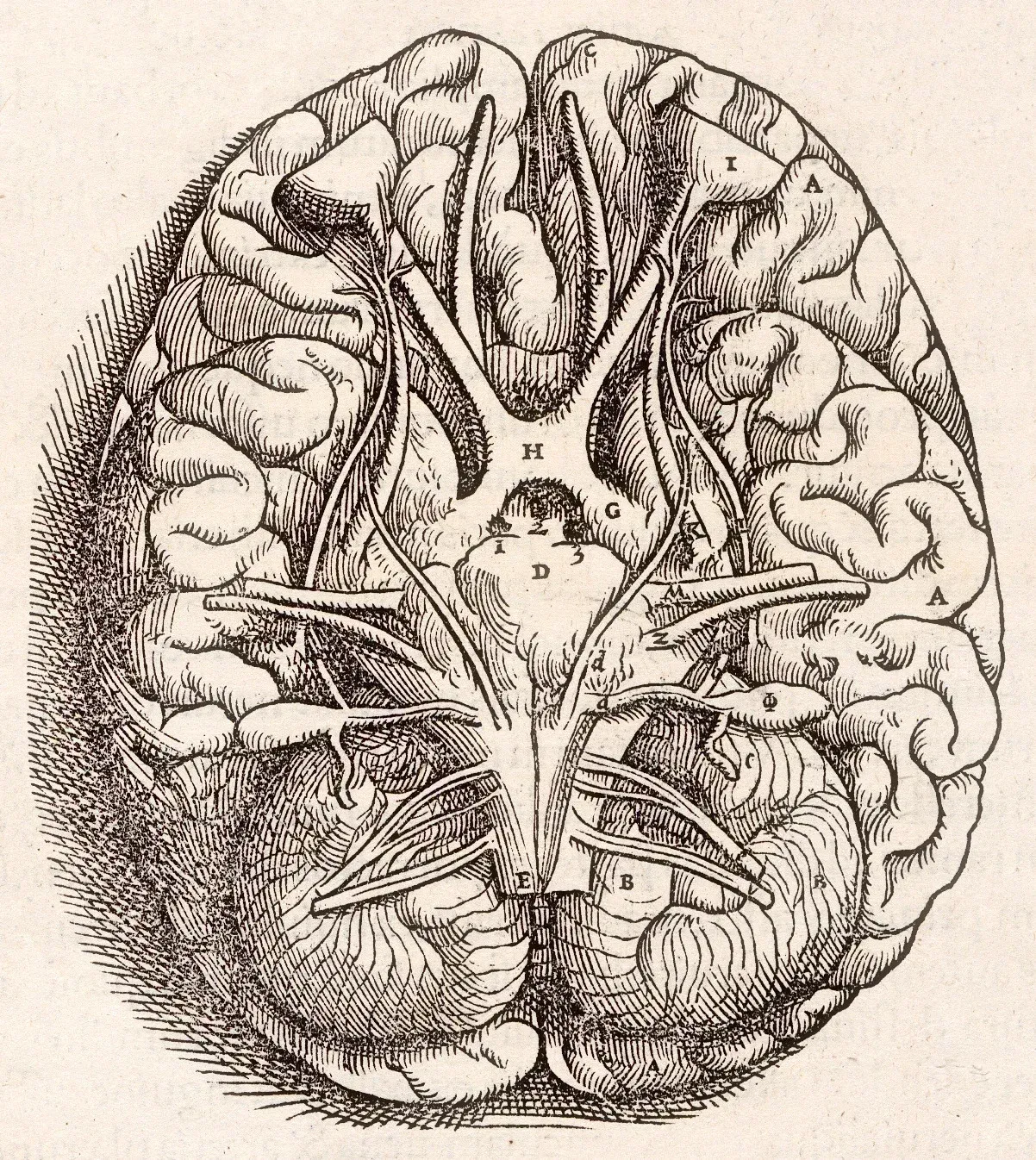
Brain anatomy illustration. The amygdala, prefrontal cortex, and hippocampus play key roles in anxiety regulation. Source: Wikimedia Commons, Public Domain
The Neurobiology of Anxiety
Anxiety involves dysregulation in multiple brain systems, particularly the amygdala (fear processing), prefrontal cortex (emotional regulation), and hippocampus (memory and context). Neurotransmitters like GABA (calming), serotonin(mood regulation), dopamine (motivation and reward), and norepinephrine (alertness) all play crucial roles in anxiety regulation[2].
The synthesis, release, and metabolism of these neurotransmitters depend on specific nutritional cofactors. When essential nutrients are deficient, neurotransmitter function can be impaired, potentially exacerbating anxiety symptoms. This doesn't mean supplements alone can treat anxiety - but optimizing nutritional status may support overall mental health when combined with appropriate treatment.
How Deficiencies Develop
Nutrient deficiencies that may impact mental health develop through multiple pathways. Poor dietary intake from processed foods, restrictive diets, or eating disorders is one common cause. Chronic stress dramatically increases nutrient requirements while simultaneously impairing nutrient absorption through digestive dysfunction.
Certain medications interfere with nutrient absorption or increase excretion. For example, proton pump inhibitors (acid reflux medications) impair B12 and magnesium absorption. Oral contraceptives can deplete B vitamins and magnesium. Antidepressants may alter folate metabolism. Always discuss nutritional concerns with the prescribing physician.
Travel, particularly long-term travel or frequent movement between countries, creates unique nutritional challenges. Inconsistent food access, unfamiliar cuisines, digestive disruptions from new bacteria exposure, and stress from constant adaptation can all contribute to deficiencies. Many digital nomads and long-term travelers in Bali experience these challenges.
Research Limitations and Interpretation
While numerous studies have identified associations between specific nutrient deficiencies and anxiety symptoms, it's crucial to understand the limitations of this research. Most studies are observational (showing correlation, not causation) or involve small sample sizes. The heterogeneity of anxiety disorders makes generalized nutritional recommendations challenging.
Additionally, much research examines oral supplementation rather than IV administration specifically for mental health. While IV delivery achieves higher blood concentrations, whether these translate to superior mental health outcomes compared to oral supplementation remains largely unstudied. We present the available evidence transparently, acknowledging these gaps.
The Mind-Body Connection
Modern psychiatry increasingly recognizes mental health as inseparable from physical health. Chronic inflammation, gut microbiome dysfunction, hormonal imbalances, and nutritional deficiencies all influence brain function and emotional regulation. This doesn't reduce mental health to purely biological factors - psychological, social, and environmental influences remain critical - but it does acknowledge that supporting physical health can be part of comprehensive mental health care.
This holistic perspective is particularly relevant in Bali's wellness community, where integrated approaches combining conventional mental health treatment with yoga, meditation, nutritional support, and other complementary practices are common. IV therapy can fit within this framework as one supportive element among many.
Magnesium Deficiency and Anxiety
If there's one nutrient with the strongest research backing for anxiety symptoms, it's magnesium. Often called "nature's tranquilizer," magnesium plays essential roles in nervous system regulation, and deficiency is remarkably common while correlating strongly with anxiety symptoms[3].
Magnesium is an essential mineral involved in over 300 enzymatic reactions in the body, including nervous system regulation. Source: Wikimedia Commons, Public Domain
How Magnesium Regulates Anxiety
Magnesium influences anxiety through multiple neurological mechanisms. It acts as a natural antagonist at NMDA receptors, reducing excessive excitatory neurotransmission that contributes to anxiety and panic. It supports GABA receptor function, enhancing the calming effects of GABA, the brain's primary inhibitory neurotransmitter[4].
Research published in Nutrients (2017) demonstrates that magnesium modulates the hypothalamic-pituitary-adrenal (HPA) axis, the body's central stress response system. Adequate magnesium helps prevent excessive cortisol production and supports healthy stress adaptation. Low magnesium is associated with HPA axis hyperactivity, creating a state of chronic physiological stress even without external stressors[5].
Additionally, magnesium acts as a natural calcium channel blocker, preventing excessive neuronal firing and reducing nervous system excitability. This mechanism helps explain why magnesium deficiency can manifest as racing thoughts, restlessness, irritability, and difficulty relaxing - all common anxiety symptoms.
Prevalence of Magnesium Deficiency
Studies consistently show that 50-75% of adults in Western countries consume less than the recommended daily allowance of magnesium through diet alone. Modern agricultural practices have depleted soil magnesium content, reducing levels in crops. Food processing further removes magnesium, while refined grains and added sugars (both low in magnesium) dominate many diets.
Chronic stress creates a vicious cycle with magnesium. Stress hormones increase urinary magnesium excretion by 200-300%, rapidly depleting stores. Low magnesium then makes you more sensitive to stress and more prone to anxiety, creating further depletion. Breaking this cycle requires both addressing stress and replenishing magnesium.
Certain populations face higher deficiency risk: people with digestive disorders (Crohn's, celiac, chronic diarrhea), those taking diuretics or proton pump inhibitors, individuals with diabetes (increased urinary loss), heavy alcohol consumers, and anyone experiencing chronic stress or anxiety. Given these risk factors, deficiency among people struggling with anxiety is extremely common.
Evidence for Magnesium Supplementation in Anxiety
A systematic review in Nutrients (2017) examining 18 studies found that magnesium supplementation showed benefit for subjective anxiety in individuals with mild to moderate anxiety. Effects were most pronounced in people with documented deficiency, though benefits were observed even in those without confirmed low levels.
Research demonstrates particular benefit when magnesium is combined with vitamin B6, which supports magnesium utilization and provides additional anxiolytic effects through neurotransmitter synthesis support. Many IV formulations include both nutrients for this synergistic effect.
It's crucial to emphasize that these studies examined mild to moderate anxiety symptoms, not diagnosed anxiety disorders. Magnesium may help reduce everyday stress and anxiety symptoms, but it is not a treatment for generalized anxiety disorder, panic disorder, social anxiety disorder, or other clinical anxiety conditions requiring professional treatment.
IV Magnesium vs Oral Supplementation
Oral magnesium absorption ranges from 20-50% depending on the form used (magnesium glycinate, threonate, and malate are most bioavailable), and high doses frequently cause digestive upset and diarrhea. This limits the amount that can be practically supplemented orally, particularly for people with sensitive digestion or those already experiencing stress-related digestive issues.
IV magnesium achieves 100% bioavailability, bypassing digestive limitations and rapidly increasing blood levels. Some people report immediate calming effects during or shortly after IV magnesium administration, possibly due to rapid nervous system effects or the parasympathetic activation associated with receiving care and resting during treatment.
However, the duration of elevated magnesium from a single IV treatment is limited - typically 7-14 days as the body utilizes and excretes the mineral. For sustained benefits, ongoing oral supplementation and dietary optimization are essential. IV therapy works best for rapid repletion of severe deficiency, with oral maintenance thereafter.
Safety and Precautions
IV magnesium is generally safe when administered by qualified medical professionals at appropriate doses (typically 1-2 grams magnesium sulfate for wellness applications). However, rapid administration can cause warmth, flushing, or transient blood pressure changes. Very high doses can cause more serious effects.
People with kidney disease must exercise particular caution with magnesium supplementation (oral or IV) as impaired renal function prevents normal magnesium excretion, potentially leading to dangerous accumulation. Always disclose complete medical history, particularly kidney issues, to your IV therapy provider.
B Vitamins for Nervous System Health
The B-vitamin complex plays indispensable roles in nervous system function, neurotransmitter synthesis, and stress response. Deficiencies in several B vitamins have been associated with increased anxiety, mood disturbances, and impaired stress resilience, making them common components of mental health support protocols.
B6 (Pyridoxine): The Neurotransmitter Vitamin
Vitamin B6 serves as the rate-limiting cofactor for synthesizing multiple neurotransmitters critical to anxiety regulation. It's required for converting L-tryptophan to serotonin (mood regulation), L-DOPA to dopamine (motivation and pleasure), and glutamate to GABA (calming). Without adequate B6, neurotransmitter production is impaired, potentially contributing to anxiety and mood symptoms.
Research published in Psychotherapy and Psychosomatics (2000) found that B6 supplementation reduced anxiety and depression symptoms, with effects enhanced when combined with magnesium. The combination supports both neurotransmitter synthesis (B6) and nervous system regulation (magnesium) synergistically.
Chronic stress and anxiety increase B6 requirements through elevated neurotransmitter turnover. Birth control pills and certain other medications can deplete B6. Inflammatory conditions increase B6 utilization. These factors make deficiency particularly common in people experiencing anxiety.
B12 (Cobalamin): Energy and Nerve Health
Vitamin B12 is essential for neurological function, red blood cell formation, and DNA synthesis. Deficiency produces symptoms that significantly overlap with anxiety: fatigue, brain fog, difficulty concentrating, irritability, and mood disturbances. In severe deficiency, neurological and psychiatric symptoms can be profound.
Studies show that B12 deficiency is associated with increased risk of depression and anxiety symptoms. While B12 supplementation alone hasn't demonstrated consistent anxiolytic effects in people without deficiency, correcting deficiency in those with low levels often improves mood and reduces anxiety-related symptoms.
B12 deficiency is particularly common in vegans and vegetarians (B12 is found almost exclusively in animal products), people over 50 (reduced intrinsic factor production needed for absorption), those with digestive disorders, and people taking certain medications like metformin and proton pump inhibitors. Many digital nomads following plant-based diets in Bali face B12 deficiency risk without proper supplementation.
B9 (Folate): Methylation and Mood
Folate (vitamin B9) is crucial for one-carbon metabolism and methylation reactions throughout the body, including neurotransmitter synthesis and regulation. Folate deficiency has been consistently associated with depression, and mounting evidence suggests connections to anxiety as well.
Importantly, some individuals have genetic variations (MTHFR polymorphisms) that impair folate metabolism, requiring higher intake or methylated forms of folate (5-methyltetrahydrofolate, or 5-MTHF) to maintain adequate levels. These genetic variations are common, affecting 30-50% of some populations, and may increase vulnerability to mood and anxiety symptoms.
Folate works synergistically with B12 and B6 in homocysteine metabolism. Elevated homocysteine (often from inadequate B vitamins) is associated with increased anxiety, depression, and cognitive decline. Adequate intake of all three B vitamins helps maintain healthy homocysteine levels.
B1 (Thiamine): Nervous System Energy
Thiamine is essential for glucose metabolism, which provides energy to the nervous system. The brain is extremely energy-demanding, requiring constant glucose supply and thiamine-dependent enzymes for utilization. Deficiency can cause neurological symptoms including anxiety, irritability, depression, and cognitive impairment.
Severe thiamine deficiency (beriberi) causes profound neurological and psychiatric symptoms, but even subclinical deficiency may contribute to mood and anxiety issues. Alcohol consumption dramatically depletes thiamine, making deficiency common in people with problematic drinking - a population also at high risk for anxiety disorders.
B-Complex: Better Together
Research consistently demonstrates that B-complex supplementation (all B vitamins together) is more effective than isolated B vitamins for stress, mood, and anxiety symptoms. This reflects the interconnected nature of B-vitamin metabolism and neurotransmitter synthesis pathways. Most IV formulations include B-complex rather than individual B vitamins for this reason.
A double-blind, placebo-controlled trial published in Human Psychopharmacology (2011) found that B-complex supplementation improved mood, reduced psychological distress, and enhanced cognitive performance in healthy adults during stressful periods. While these benefits don't constitute treatment for anxiety disorders, they suggest B vitamins support stress resilience and emotional wellbeing.
NAD+ and Mental Clarity
NAD+ (nicotinamide adenine dinucleotide) therapy has gained significant attention in wellness and longevity medicine, with particular interest in cognitive function, mental clarity, and neurological health. While research specifically on anxiety is limited, understanding NAD+'s role in brain function provides context for its inclusion in mental health support protocols.
What Is NAD+?
NAD+ is a coenzyme found in every cell of the body, playing essential roles in cellular energy production (through mitochondrial function), DNA repair, gene expression regulation, and cellular stress response. It's synthesized from niacin (vitamin B3) and is constantly being created and consumed throughout the body.
NAD+ levels decline progressively with age, dropping approximately 50% by age 50 in many tissues. Chronic stress, poor sleep, excessive alcohol consumption, and various health conditions also deplete NAD+. This decline contributes to cellular aging, reduced energy production, impaired DNA repair, and declining function across organ systems, including the brain.
NAD+ and Brain Function
The brain is extraordinarily energy-demanding, consuming approximately 20% of the body's total energy despite representing only 2% of body weight. NAD+ is critical for neuronal energy production, supporting the constant activity of neurotransmitter synthesis, neuronal firing, and synaptic communication.
Research published in Neuroscience & Biobehavioral Reviews (2018) discusses NAD+'s role in neuroprotection, stress resistance, and cognitive function. NAD+ supports sirtuins, proteins involved in cellular stress response and longevity that appear to protect neurons from damage and support healthy aging in the brain.
Additionally, NAD+ is required for synthesizing neurotransmitters and supporting neuroplasticity - the brain's ability to form new neural connections and adapt to experiences. These functions are relevant to mental health, as impaired neuroplasticity has been implicated in depression and anxiety disorders.
NAD+ for Mental Clarity and Brain Fog
Many people receiving NAD+ IV therapy report improved mental clarity, reduced brain fog, enhanced focus, and better cognitive performance. While controlled research specifically examining these subjective outcomes is limited, the experiences are consistent enough to warrant consideration.
Potential mechanisms include improved mitochondrial function in neurons (providing more energy for cognitive tasks), enhanced neurotransmitter synthesis, reduced neuroinflammation, and improved stress response at the cellular level. For individuals experiencing brain fog as part of anxiety or chronic stress, NAD+ may provide supportive benefits.
However, it's essential to note that brain fog has many potential causes: sleep deprivation, nutritional deficiencies, hormonal imbalances, medication side effects, medical conditions, depression, and anxiety itself. NAD+ is not a universal solution, and identifying and addressing the underlying cause should always be the priority.
NAD+ Therapy: IV vs Precursors
NAD+ can be supplemented either through IV administration of NAD+ directly or through oral precursors like nicotinamide riboside (NR) or nicotinamide mononucleotide (NMN), which the body converts to NAD+. Each approach has distinct characteristics.
IV NAD+ rapidly increases blood levels and potentially cellular levels, though the molecule's large size may limit cell penetration. Some research suggests peripheral NAD+ may not efficiently cross the blood-brain barrier, raising questions about direct brain effects. The treatment can cause uncomfortable side effects during infusion (nausea, chest tightness, anxiety paradoxically) requiring very slow administration over 2-4 hours.
Oral NAD+ precursors (NR, NMN) are smaller molecules that cells can more easily take up and convert to NAD+. Research shows oral precursors effectively raise NAD+ levels with minimal side effects. They may be more practical for ongoing supplementation compared to regular IV treatments. However, optimal dosing and long-term effects are still being studied.
Current Research Limitations
While NAD+ therapy has generated significant interest, research specifically examining effects on anxiety, mental health, or psychological wellbeing remains limited. Most studies focus on cellular mechanisms, longevity markers, or specific medical conditions rather than mental health outcomes.
The subjective improvements in mental clarity and mood that many people report may reflect multiple factors: actual neurological benefits, improved energy supporting overall function, placebo effects, or the comprehensive care and attention received during lengthy IV sessions. More rigorous research is needed to clarify NAD+'s specific mental health benefits.
IV Therapy as Complementary Support (NOT Treatment)
This section title cannot be emphasized enough: IV therapy is complementary support for mental health and anxiety, never primary treatment. Understanding this distinction is crucial for safe, effective mental health care.
What IV Therapy Can Provide
IV therapy for mental health support provides rapid repletion of nutrients that may be deficient and contributing to anxiety symptoms. It addresses the physiological component of mental health - ensuring the brain has the building blocks it needs for optimal neurotransmitter function, energy production, and stress response.
For people with documented nutrient deficiencies, correcting these deficiencies can improve overall wellbeing, energy, sleep quality, and stress resilience. When anxiety symptoms are exacerbated by poor nutrition, addressing nutritional status may provide some relief. The hydration component of IV therapy also supports overall health and can improve how you feel physically.
Many people report feeling calmer, more mentally clear, and better able to cope with stress after IV therapy sessions. These subjective improvements, even if partially attributable to placebo effects or the self-care aspect of seeking treatment, can be valuable as part of comprehensive wellness approaches.
What IV Therapy Cannot Do
IV therapy cannot treat anxiety disorders. It cannot resolve the psychological, genetic, environmental, or neurobiological factors that cause clinical anxiety conditions. It cannot replace therapy, counseling, or psychiatric medication when these are indicated. It cannot address trauma, change thought patterns, teach coping skills, or modify the situations causing stress.
If you have generalized anxiety disorder, panic disorder, social anxiety disorder, specific phobias, OCD, PTSD, or any other diagnosable mental health condition, IV therapy is not treatment. Professional mental health care from qualified psychologists, psychiatrists, or licensed therapists is essential.
Additionally, IV therapy alone cannot create lasting change. The nutrients provided are consumed within days to weeks, and without addressing ongoing depletion (through stress management, dietary improvement, and lifestyle changes) or maintaining intake through supplements and food, you'll return to baseline quickly.
Evidence-Based Mental Health Treatment
The gold-standard treatments for anxiety disorders include cognitive behavioral therapy (CBT), exposure therapy, acceptance and commitment therapy (ACT), and other evidence-based psychotherapies. These approaches have decades of research demonstrating effectiveness and should be the foundation of anxiety treatment.
For many people with moderate to severe anxiety disorders, medication prescribed by a psychiatrist provides crucial support. SSRIs, SNRIs, benzodiazepines (short-term), and other psychiatric medications have well-established efficacy. While all medications have potential side effects requiring careful management, they can be life-changing for people with debilitating anxiety.
Lifestyle interventions also have strong evidence: regular exercise (particularly aerobic activity), adequate sleep, stress management practices (meditation, yoga, breathwork), social connection, and sometimes dietary changes. These interventions should be part of every comprehensive anxiety treatment plan.
How IV Therapy Fits Into Holistic Care
Within a comprehensive mental health treatment plan that includes therapy and appropriate medical care, IV therapy can serve as one supportive element. It provides nutritional optimization that may enhance your capacity to engage in therapy, maintain healthy practices, and manage stress.
Think of it this way: if you're working with a therapist to address anxiety, practicing meditation, exercising regularly, and taking prescribed medication if appropriate, adding IV nutritional support might help ensure your body has the resources to support your recovery efforts. It doesn't replace any of those other interventions, but it can complement them.
The key is maintaining proper perspective. IV therapy is part of self-care and wellness optimization, not mental health treatment. Use it to support your overall health while pursuing evidence-based treatments for anxiety with qualified professionals.
Communicating with Your Mental Health Team
If you're receiving mental health treatment and considering IV therapy, discuss this with your therapist or psychiatrist. Be transparent about all supplements and treatments you're using. Some nutrients can interact with medications or affect treatment.
Your mental health providers can help you understand whether nutritional optimization might be beneficial in your specific situation and can monitor for any interactions or effects. Coordinated care is always superior to pursuing multiple treatments in isolation without provider communication.
Combining with Bali Wellness Retreats
Bali has become a global destination for wellness retreats, mental health healing, and transformative experiences. Many retreats incorporate IV therapy into their programs as part of comprehensive healing approaches combining psychology, spirituality, movement, and physiological support.
Why Bali for Mental Health Retreats
Bali offers unique advantages for mental health retreat work. The island's natural beauty provides a healing environment removed from daily stressors. The warm, consistent climate supports outdoor activities and nature connection. Balinese culture emphasizes community, spirituality, and balance - values that support mental health recovery.
Additionally, Bali has developed extensive wellness infrastructure: qualified therapists serving the international community, world-class yoga and meditation teachers, healing centers, and holistic practitioners. The cost of services is often more accessible than in Western countries, making intensive treatment programs financially feasible for more people.
For digital nomads and remote workers already in Bali, the island provides ongoing access to these resources without needing to travel specifically for treatment. The nomad community itself can provide peer support and understanding for those working through mental health challenges.
How Retreats Incorporate IV Therapy
Many wellness retreats in Bali include IV therapy as part of their protocols, typically offering arrival treatments to support jet lag recovery and ensure participants are well-hydrated and nourished before beginning intensive work. Mid-retreat IV sessions help maintain energy during demanding schedules of therapy, yoga, meditation, and other activities.
The rationale is that retreat work is physically and emotionally demanding. You're processing difficult emotions, engaging in intensive physical practices, often changing your diet significantly, and disrupting familiar patterns. Nutritional support helps your body sustain this work without becoming depleted.
Some retreats specifically focused on mental health recovery or trauma healing incorporate IV therapy as part of supporting nervous system regulation and providing optimal conditions for neurological healing. The idea is to create the best physiological foundation for psychological work.
Types of Mental Health-Focused Retreats
Bali offers diverse retreat options for mental health concerns. Some retreats focus specifically on anxiety and depression, incorporating evidence-based treatments like cognitive behavioral therapy in a retreat setting. Others emphasize trauma healing through somatic experiencing, EMDR, or Internal Family Systems therapy.
Silent meditation retreats provide intensive mindfulness training, which research shows reduces anxiety and depression symptoms. Yoga retreats often incorporate mental health themes, teaching practices for emotional regulation and stress management. Some retreats integrate traditional Balinese healing practices with modern psychology.
When choosing a retreat for mental health purposes, verify that facilitators have appropriate qualifications. Legitimate retreats should be led by licensed therapists, psychologists, or psychiatrists for any mental health treatment components, not just wellness coaches or uncredentialed healers.
Integration: The Most Critical Phase
The greatest challenge with any retreat experience is integration - bringing the insights, practices, and healing back into ordinary life. Many people experience profound shifts during retreats in Bali's supportive environment, only to struggle when returning to the same circumstances that contributed to their original difficulties.
Effective integration requires planning before the retreat even begins: How will you maintain practices you learn? What changes might you need to make in your daily life? Do you have ongoing therapy or support at home? How will you manage the transition back?
Some people use IV therapy during the integration period as continued physiological support while establishing new patterns. However, the real work of integration is psychological and behavioral - IV therapy can support your overall wellbeing but cannot replace the practice of new coping skills, continuation of therapy, or lifestyle changes necessary for sustained mental health.
Choosing Safe and Effective Retreats
Not all retreats offering mental health healing are created equal. Red flags include: promises of curing mental illness, discouragement from continuing psychiatric medication, lack of licensed mental health professionals on staff, extremely high prices without clear justification, and absence of medical screening for contraindications to intensive practices.
Reputable retreats should: provide clear information about facilitator credentials, conduct health screening before acceptance, maintain appropriate boundaries and ethics, coordinate with your existing mental health providers if you have them, provide clear information about what's included and what to expect, and support rather than replace ongoing mental health treatment.
When to See a Mental Health Professional
While this article discusses how IV therapy can support mental wellness, it's crucial to recognize when professional mental health care is necessary. The following situations require consultation with qualified therapists, psychologists, or psychiatrists - not just wellness interventions.
Signs You Need Professional Mental Health Care
Seek professional mental health support if you experience: persistent feelings of sadness, hopelessness, or worthlessness lasting more than two weeks; anxiety that interferes with daily activities, work, or relationships; panic attacks or severe physical anxiety symptoms; intrusive thoughts or compulsive behaviors; difficulty sleeping or sleeping too much; significant changes in appetite or weight; loss of interest in previously enjoyed activities; difficulty concentrating or making decisions; thoughts of death, self-harm, or suicide; or use of substances to cope with emotions.
If you have thoughts of self-harm or suicide, seek immediate help. In Bali, you can contact BIMC Hospital emergency psychiatric services, call a mental health crisis line, or go to the nearest emergency room. Internationally, many crisis lines operate 24/7 and can provide immediate support.
Types of Mental Health Professionals
Different mental health professionals serve different roles. Psychiatrists are medical doctors who can diagnose mental health conditions and prescribe medication. They typically focus on medication management, though some also provide psychotherapy.
Psychologists hold doctoral degrees in psychology and provide psychotherapy, psychological testing, and diagnosis. They cannot prescribe medication (in most jurisdictions) but specialize in evidence-based therapeutic interventions for mental health conditions.
Licensed professional counselors, clinical social workers, and marriage and family therapists provide psychotherapy and counseling with master's-level training. Many specialize in specific approaches or populations and can provide excellent treatment for anxiety and other mental health concerns.
Mental Health Resources in Bali
Bali has growing mental health resources for both residents and tourists. Several qualified psychologists and therapists practice in Canggu, Seminyak, Ubud, and Sanur, many speaking English and other languages. Some specialize in expat and digital nomad issues, understanding the unique stressors of location-independent lifestyles.
BIMC Hospital and Siloam Hospitals have psychiatric services available. Several international clinics offer mental health consultations. Many therapists provide online sessions via video call, making treatment accessible even if you're in more remote areas of Bali or traveling around the island.
For those returning home or traveling elsewhere, many Bali-based therapists can continue treatment remotely, providing consistency during transitions. Alternatively, they can provide referrals to providers in your next location and ensure continuity of care.
The Role of Medication
Psychiatric medication can be life-changing for people with moderate to severe anxiety disorders. SSRIs (selective serotonin reuptake inhibitors) and SNRIs (serotonin-norepinephrine reuptake inhibitors) are first-line treatments for most anxiety disorders, with decades of research supporting their efficacy and safety.
While all medications have potential side effects, modern psychiatric medications are generally well-tolerated when properly prescribed and monitored. The stigma around psychiatric medication prevents many people from accessing treatment that could significantly improve their quality of life.
If you're prescribed psychiatric medication, it's important to take it as directed and work closely with your prescribing physician to manage any side effects or adjust dosing. Don't stop psychiatric medications abruptly, as this can cause withdrawal symptoms and return of anxiety. Any supplements or IV therapy should be discussed with your psychiatrist to check for potential interactions.
Combining Professional Treatment with Holistic Support
The most effective approach to mental health often combines evidence-based treatment (therapy and medication when appropriate) with holistic supportive practices. Professional treatment addresses the core condition, while practices like yoga, meditation, exercise, good nutrition, social connection, and yes, potentially IV therapy for nutritional support, enhance overall wellbeing and support recovery.
This integrated approach recognizes mental health as both a medical/psychological concern and a dimension of overall wellness influenced by lifestyle, physical health, social factors, and personal practices. Neither medical treatment alone nor wellness interventions alone is optimal - comprehensive care integrates both.
Meditation and Yoga Integration
Bali is renowned for yoga and meditation teachings, with world-class instructors and centers throughout the island. These practices have robust evidence supporting anxiety reduction and mental health benefits, making them powerful complements to both professional treatment and supportive interventions like IV therapy[6].

Meditation and yoga practices have strong scientific evidence for reducing anxiety symptoms and improving mental health. Source: Wikimedia Commons, Creative Commons
Evidence for Meditation in Anxiety
Extensive research demonstrates that mindfulness meditation reduces anxiety symptoms and improves stress resilience. A meta-analysis in JAMA Internal Medicine (2014) reviewing 47 trials found that mindfulness meditation programs showed moderate evidence of improving anxiety and depression[7].
Mindfulness-Based Stress Reduction (MBSR), an 8-week structured program, has particularly strong evidence. Studies using brain imaging show that meditation actually changes brain structure and function in regions associated with emotional regulation, self-awareness, and stress response. These aren't just subjective improvements - measurable neurological changes occur.
Different meditation styles offer different benefits. Mindfulness meditation enhances present-moment awareness and reduces rumination (repetitive negative thinking common in anxiety). Loving-kindness meditation increases positive emotions and self-compassion. Transcendental meditation activates the relaxation response. Bali offers instruction in all these approaches and more.
Yoga for Anxiety and Mental Health
Yoga combines physical postures, breathing practices, meditation, and philosophy into a comprehensive system for wellbeing. Research shows yoga reduces anxiety symptoms, lowers cortisol levels, improves heart rate variability (a marker of stress resilience), and enhances overall quality of life.
The mechanisms likely include: physical activity's anxiolytic effects, breathing practices that activate the parasympathetic nervous system (rest and digest mode), mindfulness components that enhance emotional regulation, and social connection from practicing in community. Regular yoga practice appears to have cumulative benefits, with anxiety reduction increasing with consistent practice over time.
Bali's yoga scene offers extraordinary variety: vigorous vinyasa flow for those who benefit from intense physical activity, gentle restorative yoga for nervous system calming, yin yoga for mindful stillness, kundalini yoga emphasizing breathwork and energy, and many other styles. Experimenting with different approaches helps you find what serves your mental health best.
Breathwork Practices
Conscious breathing practices (pranayama in yoga) offer powerful tools for immediate anxiety management. Slow, deep breathing activates the vagus nerve and parasympathetic nervous system, creating physiological calm that can interrupt anxiety spirals.
Specific techniques like box breathing (4 counts inhale, 4 hold, 4 exhale, 4 hold), 4-7-8 breathing (4 count inhale, 7 hold, 8 exhale), and extended exhale breathing (making exhale longer than inhale) have research support for anxiety reduction. These techniques can be practiced anywhere, anytime anxiety arises.
Bali has many breathwork facilitators offering more intensive practices. Some incorporate holotropic breathwork, Wim Hof method, or other intensive techniques. While these can be powerful, they're also intense and may not be appropriate for everyone with anxiety. Gentler practices are often more suitable for beginning anxiety management.
How IV Therapy Supports Meditation and Yoga Practice
The connection between IV therapy and meditation/yoga practice is indirect but potentially meaningful. If nutrient deficiencies are impairing your energy, mental clarity, or physical capacity, addressing these deficiencies through IV therapy might enhance your ability to engage in regular practice.
Some people report that after IV therapy sessions, particularly those including magnesium and B vitamins, they feel more centered, less physically agitated, and better able to settle into meditation or yoga practice. While these effects might be physiological, psychological, or placebo, if they support consistent practice, they have value.
Think of IV therapy as one tool in your toolkit for maintaining the physical and mental resources needed for consistent practice. Just as adequate sleep supports meditation practice, and proper nutrition supports yoga practice, IV therapy might help ensure you're physiologically resourced to engage in these beneficial practices.
Building a Sustainable Practice in Bali
Bali's abundance of yoga studios and meditation centers makes starting a practice easy, but the key is sustainability. Rather than intense daily practices that might not be maintainable, consider what you can realistically continue long-term, even after leaving Bali or when life gets busy.
Even 10-20 minutes of daily meditation or 20-30 minutes of yoga provides measurable benefits. Building consistency matters more than intensity or duration. Many digital nomads in Bali establish routines like morning meditation before work, lunchtime yoga classes, or evening breathwork practice - rhythms that support mental health while fitting into work schedules.
Travel Anxiety Support
Travel, while exciting and enriching, can trigger or exacerbate anxiety through multiple stressors. Understanding these challenges and how to address them - including how IV therapy might help with some physiological components - can make travel more manageable for people prone to anxiety.
Why Travel Triggers Anxiety
Travel disrupts familiar routines that often serve as anxiety management tools. Your regular sleep schedule, exercise routine, meal timing, medication schedule, therapy appointments, and support systems are all disrupted. This loss of structure can destabilize mental health even in people whose anxiety is well-managed at home.
Long flights create jet lag, circadian rhythm disruption, and sleep deprivation - all of which increase anxiety and reduce stress resilience. Dehydration from air travel affects mood and cognition. Sitting for extended periods increases physical tension. The crowded, confined environment of airplanes can trigger claustrophobia or panic in susceptible individuals.
Arriving in unfamiliar environments creates uncertainty and unpredictability, which anxiety-prone minds often find particularly challenging. Language barriers, navigation difficulties, unfamiliar food, different social norms, and separation from support systems all contribute to increased anxiety during travel.
Pre-Travel Anxiety Preparation
Preparing for travel anxiety begins before departure. If you take psychiatric medication, ensure you have adequate supply and understand regulations for traveling with medication to Indonesia. Bring documentation from your prescribing physician. Research mental health resources at your destination before you need them.
Consider scheduling a session with your therapist before travel to develop specific coping strategies for anticipated challenges. Practice anxiety management techniques intensively in the weeks before departure so they're well-established when you need them during travel.
Some people benefit from anxiolytic medication for flights, prescribed by their psychiatrist specifically for travel anxiety. This should be discussed well in advance of travel, not requested last-minute. Your mental health provider can help determine whether this is appropriate for your situation.
Jet Lag and Arrival Support
Jet lag significantly impacts mental health, particularly anxiety. The circadian rhythm disruption affects mood regulation, stress response, and emotional control. Sleep deprivation from jet lag increases anxiety sensitivity and reduces coping capacity.
IV therapy upon arrival in Bali can address some physiological components of jet lag: dehydration from the flight, nutrient depletion from travel stress, and potentially supporting faster circadian adjustment through nutrients that influence sleep-wake cycles. Many travelers report that arrival IV treatments help them feel more grounded and less overwhelmed after long journeys.
However, the most important jet lag interventions are behavioral: getting sunlight exposure at appropriate times to reset your circadian rhythm, staying awake until local bedtime on arrival day even if exhausted, avoiding naps longer than 30 minutes, and maintaining consistent sleep-wake times. IV therapy can support these behavioral approaches but doesn't replace them.
Maintaining Mental Health Routines While Traveling
The key to managing anxiety during extended travel is maintaining whatever routines and practices support your mental health at home, adapted to new circumstances. If you meditate daily, continue in Bali - perhaps joining classes at one of many studios. If you exercise regularly, find ways to stay active despite changed routines. If you journal, maintain that practice.
For digital nomads staying in Bali long-term, establishing regular routines becomes crucial. Designate specific work hours, maintain consistent sleep schedules, eat regular meals, exercise routinely, and create structure in your days. The freedom of location independence can paradoxically increase anxiety if it results in complete lack of structure.
Consider establishing a relationship with a therapist in Bali or continuing remote sessions with your home therapist via video call. Regular therapy sessions provide continuity and support during the transition and throughout your stay.
When Travel Anxiety Indicates Deeper Issues
If travel consistently triggers severe anxiety despite preparation and coping strategies, this may indicate underlying anxiety disorders requiring more intensive treatment. Avoiding travel entirely due to anxiety significantly restricts life and often indicates professional help is needed.
Travel anxiety that escalates to panic attacks, inability to leave accommodations, severe physical symptoms, or use of substances to cope requires professional mental health intervention. These symptoms suggest anxiety disorders that need proper treatment, not just management strategies.
Frequently Asked Questions
Can IV therapy treat anxiety disorders or other mental health conditions?
No. IV therapy cannot and does not treat anxiety disorders, depression, or any mental health condition. These are complex conditions requiring professional psychological or psychiatric treatment. IV therapy provides nutritional support that may help address nutrient deficiencies contributing to anxiety symptoms, but it is strictly complementary care, not primary treatment. Always work with qualified mental health professionals for anxiety and mental health concerns.
How does magnesium deficiency contribute to anxiety symptoms?
Magnesium deficiency can exacerbate anxiety through multiple mechanisms. Magnesium regulates the HPA axis (stress response system), modulates GABA receptors (calming neurotransmitter), acts as a natural calcium channel blocker to reduce nervous system excitability, and supports serotonin production. Studies show 75% of adults are magnesium deficient, and low levels correlate with increased anxiety, panic attacks, and heightened stress sensitivity. However, correcting magnesium deficiency alone will not resolve clinical anxiety disorders.
Which B vitamins are most important for nervous system health and anxiety?
B vitamins essential for nervous system function include: B1 (thiamine) for nerve signaling and glucose metabolism; B6 (pyridoxine) for serotonin, dopamine, and GABA synthesis; B9 (folate) for neurotransmitter production and homocysteine metabolism; and B12 (cobalamin) for nerve health and neurotransmitter function. Research shows B-complex supplementation can reduce anxiety symptoms, particularly when combined with magnesium. However, B vitamins are supportive nutrients, not anxiety treatments.
What is NAD+ and how does it relate to mental clarity and brain function?
NAD+ (nicotinamide adenine dinucleotide) is a coenzyme essential for cellular energy production, DNA repair, and mitochondrial function throughout the body, including the brain. NAD+ levels decline with age and stress. Research suggests NAD+ supports neurological health, cognitive function, and mental clarity. Some studies indicate NAD+ therapy may help with brain fog, mental fatigue, and cognitive performance. However, research on NAD+ for anxiety specifically is limited, and it is not a treatment for mental health conditions.
How can IV therapy support wellness retreat programs in Bali?
Many wellness retreats in Bali incorporate IV therapy to support participants during intensive healing work. IV therapy provides hydration and nutrient support during demanding activities like yoga intensives, detox programs, and emotional processing work. It can help maintain energy levels, support recovery from travel, and address nutrient depletion from dietary changes. However, IV therapy complements (not replaces) the core retreat work of therapy, meditation, yoga, and lifestyle changes. It creates physiological support for psychological and spiritual transformation.
When should I see a mental health professional instead of just using IV therapy?
Seek professional mental health care immediately if you experience: persistent feelings of hopelessness or worthlessness, anxiety interfering with daily life or relationships, panic attacks or severe physical anxiety symptoms, thoughts of self-harm or suicide, inability to sleep or significant sleep disturbances, loss of interest in all activities, significant changes in appetite or weight, or substance use to cope with emotions. IV therapy can support overall wellness but cannot address mental health conditions. Bali has qualified psychologists, psychiatrists, and therapists serving the international community.
Can IV therapy help with travel anxiety when visiting Bali?
Travel can trigger anxiety through multiple stressors: jet lag disrupting sleep and circadian rhythms, dehydration from flights, unfamiliar environments, schedule changes, and physical exhaustion. IV therapy may help address the physiological components (dehydration, nutrient depletion, jet lag recovery) that can exacerbate anxiety symptoms during travel. Many visitors use arrival IV treatments to support jet lag recovery and hydration. However, if you have clinical anxiety about travel, work with a mental health professional before your trip to develop coping strategies.
How does IV therapy integrate with meditation, yoga, and other wellness practices in Bali?
IV therapy works best as part of a holistic wellness approach. Bali offers exceptional resources for mental health and wellbeing: yoga studios, meditation centers, breathwork facilitators, sound healing, wellness retreats, and professional therapists. IV therapy provides nutritional support that may enhance your capacity to engage in these practices by addressing deficiencies, improving energy, and supporting physical recovery. Many people combine weekly IV sessions with daily yoga, regular meditation, therapy sessions, and healthy lifestyle practices for comprehensive mental health support.
Supporting Your Mental Health Journey
If you're working on your mental health and want to explore how IV therapy can serve as complementary nutritional support alongside professional care and wellness practices, our medical team can provide personalized guidance.
Scientific References
- [1] Sarris J, et al. (2015). "Nutritional medicine as mainstream in psychiatry." Lancet Psychiatry, 2(3), 271-274.PubMed
- [2] Martin EI, et al. (2009). "The neurobiology of anxiety disorders: brain imaging, genetics, and psychoneuroendocrinology." Psychiatric Clinics of North America, 32(3), 549-575.PubMed
- [3] Boyle NB, et al. (2017). "The Effects of Magnesium Supplementation on Subjective Anxiety and Stress." Nutrients, 9(5), 429.PubMed
- [4] Poleszak E, et al. (2004). "NMDA/glutamate mechanism of antidepressant-like action of magnesium in forced swim test in mice." Pharmacology Biochemistry and Behavior, 78(1), 7-12.PubMed
- [5] Sartori SB, et al. (2012). "Magnesium deficiency induces anxiety and HPA axis dysregulation: modulation by therapeutic drug treatment." Neuropharmacology, 62(1), 304-312.PubMed
- [6] Pascoe MC, et al. (2017). "Yoga, mindfulness-based stress reduction and stress-related physiological measures: A meta-analysis." Psychoneuroendocrinology, 86, 152-168.PubMed
- [7] Goyal M, et al. (2014). "Meditation programs for psychological stress and well-being: a systematic review and meta-analysis." JAMA Internal Medicine, 174(3), 357-368.PubMed
Related Articles
IV Therapy for Stress Recovery
Evidence-based guide to how chronic stress depletes nutrients and how IV therapy supports burnout recovery in Bali.
Digital Nomad Health Guide
Comprehensive health and wellness strategies for remote workers and digital nomads living in Bali.
NAD+ Therapy Guide
Complete guide to NAD+ IV therapy for anti-aging, energy, mental clarity, and cellular health in Bali.