Medical Disclaimer: This article provides educational information about IV therapy for air travel and does not constitute medical advice. Consult with qualified healthcare professionals before starting any treatment regimen, especially if you have pre-existing medical conditions or are taking medications.
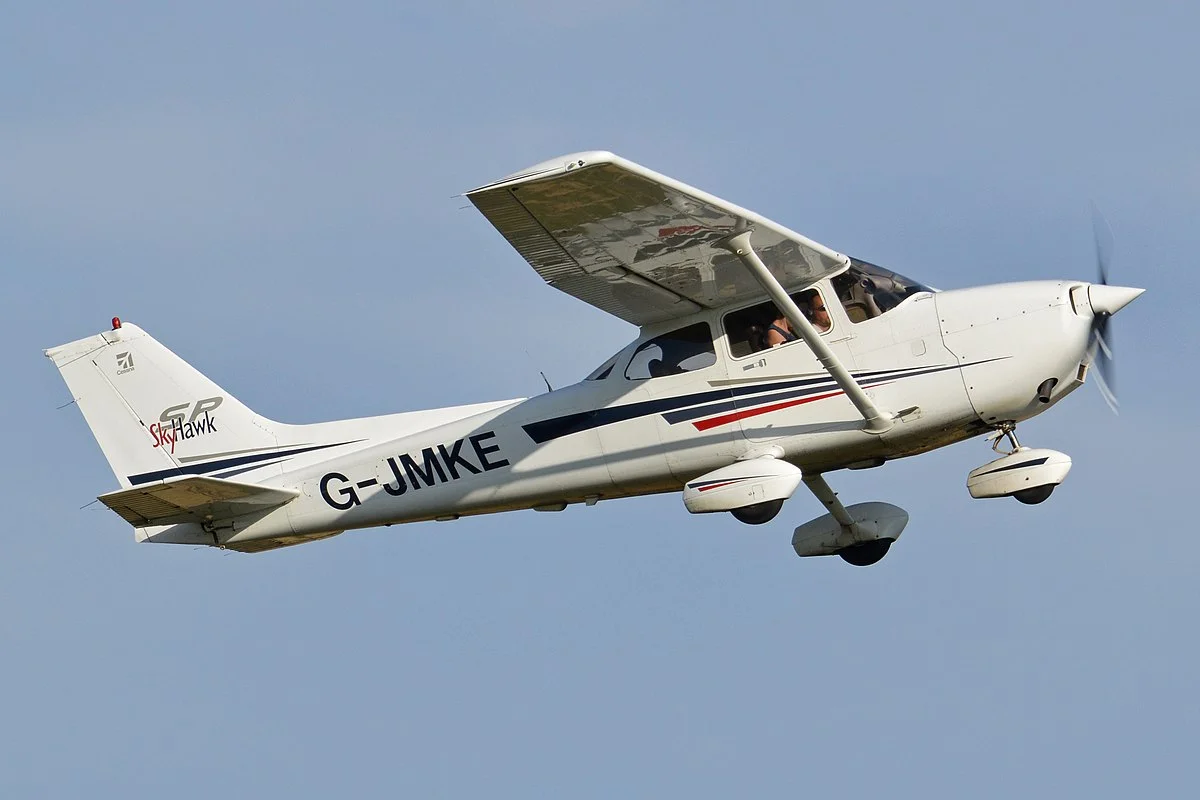
Long-haul flights to Bali cause significant dehydration and immune suppression that IV therapy can help address. Source: Wikimedia Commons
Table of Contents
- 1. Introduction: The Long Journey to Bali
- 2. Why Long Flights Dehydrate You
- 3. DVT Risk and Hydration Connection
- 4. Immune System Suppression During Travel
- 5. Pre-Flight IV Preparation Protocol
- 6. Post-Arrival IV Recovery Strategy
- 7. Return Flight Preparation
- 8. Business Traveler Protocols
- 9. Flight Duration Considerations
- 10. Airline Tips Combined with IV Therapy
- 11. Frequently Asked Questions
1. Introduction: The Long Journey to Bali
Bali remains one of the world's most geographically remote major tourist destinations. Most international visitors face flight times of 10 to 20 hours or more, often involving one or two connections. From Europe, the journey typically takes 16-18 hours. From the United States East Coast, travelers endure 20-24 hours of total travel time. Even from Australia's eastern cities, the most accessible major source market, the flight takes 5-7 hours.
These extended periods in pressurized aircraft cabins create unique physiological stresses that go far beyond simple fatigue. Your body experiences dehydration rates 2-3 times higher than ground level, reduced oxygen saturation equivalent to being at moderate altitude, prolonged immobility that increases thrombotic risk, and immune system suppression from stress and sleep disruption.
Traditional advice to "drink water and move around" provides minimal protection. Medical research increasingly shows that strategic IV therapy before departure and after arrival offers superior physiological support, helping travelers arrive in Bali ready to enjoy their vacation rather than spending the first three days recovering in their hotel room.
Typical Flight Times to Bali
- Sydney/Melbourne: 5-7 hours direct
- Singapore: 2.5 hours direct
- Dubai: 9-10 hours direct
- London: 16-18 hours (1 stop)
- New York: 20-22 hours (2 stops)
- Los Angeles: 18-20 hours (1-2 stops)
- Tokyo: 7-8 hours direct
2. Why Long Flights Dehydrate You
Cabin Humidity Crisis: Commercial aircraft maintain cabin pressure equivalent to 6,000-8,000 feet altitude. At this reduced pressure, holding moisture in the air becomes thermodynamically difficult. Cabin humidity typically ranges from 10-20%, compared to comfortable indoor levels of 40-60% and even desert air at 25-30%.
This extreme dryness dramatically accelerates insensible water loss through two primary mechanisms. First, every breath you exhale carries water vapor from your respiratory tract into the dry cabin air. At ground level humidity, you lose approximately 200-300ml daily through respiration. In aircraft cabins, this rate doubles to 400-600ml daily. Second, skin transpiration increases as moisture evaporates from your skin surface to equilibrate with the dry environment.
Altitude Effects on Hydration: The reduced cabin pressure itself affects fluid distribution in your body. Lower atmospheric pressure causes a subtle shift of fluid from the intravascular space into tissue, creating a paradox where your blood volume decreases even as you may feel bloated. This triggers your kidneys to increase urine production, further depleting fluid reserves.
Research on long-haul passengers shows measurable dehydration markers. On flights exceeding 8 hours, travelers lose an average of 1.5-2 liters of fluid, representing 2-3% of body weight for most people. This level of dehydration impairs cognitive function by 10-15%, reduces physical endurance by 20%, and creates the familiar symptoms of headache, fatigue, and dry mucous membranes.
Fluid Loss Calculator: Your Flight to Bali
Note: Individual variation based on body size, metabolic rate, alcohol consumption, and cabin temperature.
3. DVT Risk and Hydration Connection
Deep vein thrombosis (DVT) represents one of the most serious medical risks of long-haul air travel. The condition occurs when blood clots form in deep veins, typically in the legs, due to prolonged immobility. While the absolute risk remains low (approximately 1 in 6,000 long-haul flights), the consequences can be severe if clots break free and travel to the lungs (pulmonary embolism).
Virchow's Triad in Air Travel: Medical students learn that three factors promote clot formation, known as Virchow's triad: venous stasis (reduced blood flow), hypercoagulability (increased clotting tendency), and endothelial injury (damage to vessel walls). Long flights create a perfect storm of the first two factors.
Prolonged sitting with knees bent compresses veins in the legs, reducing blood flow velocity by 50-70%. This stasis allows clotting factors to concentrate rather than being diluted and cleared by normal circulation. Simultaneously, dehydration increases blood viscosity, making it literally thicker and more prone to clotting. Studies show that 2-3% dehydration increases blood viscosity by 10-15%, significantly raising thrombotic risk.
How IV Hydration Helps: While IV therapy cannot eliminate DVT risk, optimal hydration addresses one of the key modifiable risk factors. Pre-flight IV hydration ensures you begin the journey with normal blood viscosity. This becomes especially important because drinking adequate water during flights proves difficult (bathroom access concerns, forgetting due to entertainment distraction, and limited beverage service). Starting well-hydrated provides a physiological buffer.
DVT Risk Factors on Long Flights
- High Risk: Previous DVT/PE, recent surgery, active cancer, pregnancy, oral contraceptives/HRT, inherited clotting disorders
- Moderate Risk: Age over 60, obesity (BMI greater than 30), varicose veins, heart disease
- Situational Risk: Window seat (less movement), flights over 8 hours, dehydration, alcohol consumption
If you have high-risk factors, consult your physician about prophylactic anticoagulation before long flights.
Pre-Flight IV Therapy in Your Home Country
Get IV hydration and immune support 24-48 hours before your long flight to Bali. Arrive energized instead of exhausted. Available through partner clinics in major departure cities worldwide.
Book Pre-Flight IV4. Immune System Suppression During Travel
Most travelers notice they frequently develop colds or respiratory infections within days of long international flights. This phenomenon has solid immunological explanation. Air travel, particularly long-haul flights, creates multiple simultaneous stressors that temporarily suppress immune function.
Sleep Disruption and Immunity: Even a single night of poor sleep reduces natural killer cell activity by 25-30%. These immune cells provide your first-line defense against viral infections. Long flights often involve trying to sleep in upright positions with ambient noise and light, resulting in fragmented, low-quality sleep that may total only 2-4 hours for a 10-hour overnight flight.
Stress Hormones: The physiological stress of travel (missed connections, airport navigation, time pressure) elevates cortisol levels. While acute cortisol serves useful functions, sustained elevation for 12-24 hours during long journey days suppresses immune cell production and antibody responses. Studies show cortisol levels remain elevated for 24-48 hours after long international flights.
Cabin Air and Pathogen Exposure: Modern aircraft use HEPA filtration that removes 99.97% of particles, but cabin air still concentrates pathogens from 200-400 passengers breathing, coughing, and sneezing in an enclosed space. The recirculation rate means you breathe air containing respiratory droplets from potentially dozens of other passengers.
Mucosal Barrier Compromise: The extreme dryness discussed earlier doesn't just dehydrate your body systemically. It also dries out the mucous membranes lining your nose, throat, and airways. These membranes normally trap and neutralize inhaled pathogens. When dried out, they become less effective barriers, allowing viruses and bacteria easier access to underlying tissues.
Research Finding
A study published in the Journal of Environmental Health Research followed 1,100 international travelers and found they were 20% more likely to develop upper respiratory infections within 7 days of flights exceeding 8 hours, compared to control groups who didn't fly.
The risk increased proportionally with flight duration: 10% increased risk for 5-8 hour flights, 20% for 8-12 hours, and 30% for flights over 12 hours.
5. Pre-Flight IV Preparation Protocol
Strategic pre-flight IV therapy optimizes your physiology for the journey ahead. The ideal timing is 24-48 hours before departure, allowing nutrients to fully integrate into your system while maintaining peak hydration status through your flight day.
Optimal Pre-Flight IV Composition:
Hydration Foundation (500-1000ml)
Normal saline or lactated Ringer's solution provides the fluid base. This volume expands blood volume, reduces baseline blood viscosity, and creates a hydration reserve for the flight. The fluid distributes throughout your body over 6-12 hours, optimizing cellular hydration.
Immune Support Package
Vitamin C (1000-2000mg): High-dose vitamin C supports white blood cell function, enhances antibody production, and provides antioxidant protection against oxidative stress from travel.
Zinc (10-15mg): Essential for T-cell function and interferon production. Zinc deficiency increases infection susceptibility, and supplementation before pathogen exposure shows preventive benefits.
Energy and Stress Support
B-Complex Vitamins: B1, B2, B3, B5, B6, and B12 support energy metabolism, neurotransmitter synthesis, and stress hormone regulation. Many travelers are marginally deficient in B vitamins, and repletion improves stress resilience.
Magnesium (200-400mg): Supports over 300 enzymatic reactions, promotes muscle relaxation, reduces stress response, and may improve sleep quality during travel.
Electrolyte Balance
Sodium, potassium, and calcium in balanced ratios maintain cellular function, nerve conduction, and muscle contraction. Proper electrolyte status prevents the weakness and mental fog associated with electrolyte depletion.
Administration Timeline: The IV therapy session typically takes 20-25 minutes. Schedule it at a time when you can relax afterward rather than rushing to other activities. Some people experience a brief energy boost, while others feel calm and relaxed. Both responses are normal.
After the IV session, continue drinking water normally (2-3 liters daily) leading up to your flight. Avoid alcohol for 24 hours before departure, as it promotes dehydration and disrupts sleep quality.
6. Post-Arrival IV Recovery Strategy
Despite your best pre-flight preparation, the long journey to Bali will deplete your body's resources. Post-arrival IV therapy provides rapid recovery, allowing you to begin enjoying your vacation within hours instead of losing days to fatigue and adjustment.
Optimal Timing: Schedule IV therapy delivery to your hotel or villa within 6-12 hours of landing, ideally right after you check in and shower. This timing catches dehydration before it worsens, replenishes nutrients while your body is most receptive, and provides an energy boost that helps you stay awake until local bedtime (critical for jet lag adaptation).
Post-Flight IV Composition: Your arrival IV should address both travel depletion and jet lag adaptation. The formula typically includes:
- 1.Enhanced Hydration (1000ml): Larger volume than pre-flight to aggressively correct accumulated fluid deficit from 10-20 hours of travel.
- 2.B-Vitamin Boost: Higher doses than pre-flight to support energy metabolism and help you stay awake until appropriate bedtime in Bali timezone.
- 3.Antioxidants: Glutathione and vitamin C combat oxidative stress from travel and support liver detoxification.
- 4.Amino Acids: Taurine and carnitine support cellular energy production and may reduce perceived fatigue.
- 5.Magnesium: Helps with muscle relaxation after prolonged sitting and supports better sleep quality your first night.
Most travelers report feeling significantly better within 20 minutes of completing the IV. Energy levels improve, mental clarity returns, and the overwhelming fatigue diminishes. This allows you to engage with your first day in Bali—perhaps enjoying sunset at the beach or dinner at a restaurant—rather than collapsing into bed at 3 PM.
Post-Arrival Recovery Timeline
Land in Bali, Recover in 1 Hour
Our mobile IV therapy team delivers recovery treatment to your hotel, villa, or resort anywhere in Bali. Book your post-arrival IV before you fly and we'll be ready when you land.
7. Return Flight Preparation
The return flight home requires different IV therapy considerations. After 1-3 weeks in Bali, your body has adapted to the tropical climate, possibly indulged in vacation excesses, been exposed to different pathogens, and may be recovering from minor travel-related illnesses like mild Bali belly.
Departure IV Composition: Schedule your departure IV therapy 24 hours before your flight home. This formulation should include:
Detoxification Support
Glutathione (600-1200mg): Master antioxidant that supports liver detoxification of alcohol, environmental toxins, and metabolic waste products accumulated during vacation.
Hydration and Electrolytes
Full 1000ml hydration with comprehensive electrolyte replacement. Bali's heat often leaves visitors chronically under-hydrated despite drinking water.
Immune Reinforcement
High-dose vitamin C (2000mg) and zinc prepare your immune system for the flight home and re-exposure to different pathogens in your home country.
Energy and Recovery
B-complex vitamins and amino acids help restore energy reserves depleted by vacation activities and prepare you for the demanding return journey.
Many travelers find the return flight more difficult than the outbound journey. Eastward travel (Bali to Europe/US) causes more severe jet lag, you're returning to work responsibilities rather than vacation relaxation, and the emotional letdown of leaving paradise adds psychological stress. Departure IV therapy provides physiological support for these challenges.
8. Business Traveler Protocols
Business travelers face unique challenges when flying to Bali for conferences, meetings, or remote work periods. Unlike leisure tourists who can afford 2-3 days of adjustment, executives and professionals often need peak cognitive performance immediately upon arrival.
The Business Traveler Three-IV Protocol:
Pre-Departure IV (48 hours before flight)
Full immune support and hydration protocol. This establishes optimal baseline physiology and provides maximum immune protection for the journey.
Immediate Arrival IV (within 6 hours of landing)
Enhanced cognitive performance formula with higher B-vitamin doses, amino acids for neurotransmitter support, and aggressive rehydration. Many business travelers schedule this for 6 AM arrival at hotel, allowing them to attend afternoon meetings.
Mid-Stay Maintenance IV (day 3-4)
Replenishes nutrients depleted by high-intensity work schedule and provides sustained energy for the remainder of the trip. Particularly valuable for week-long business visits.
Research on business traveler productivity shows that jet lag and travel fatigue impair decision-making, negotiation performance, and creative problem-solving for 2-4 days after long-haul flights. The three-IV protocol compresses this impairment period to 6-12 hours, preserving professional effectiveness.
Corporate Packages Available
We offer corporate accounts with simplified billing, priority scheduling, and volume discounts for companies with regular business travel to Bali. Contact us to discuss executive wellness programs.
9. Flight Duration Considerations: 10+ Hours to Bali
The physiological stress of air travel scales non-linearly with flight duration. A 10-hour flight is not simply twice as stressful as a 5-hour flight; the effects compound as your body's compensatory mechanisms become exhausted.
Short-Haul (5-7 hours): Flights from Australia's eastern cities or Singapore to Bali fall into this category. While dehydration and fatigue occur, most healthy travelers recover within 24 hours with adequate rest and normal oral hydration. Pre-flight IV therapy provides benefit but may not be essential for everyone. Post-arrival IV therapy accelerates recovery and is particularly valuable if you have activities planned your first day.
Medium-Haul (8-12 hours): Flights from Middle East hubs (Dubai, Doha) or East Asian cities (Tokyo, Hong Kong, Seoul) create more significant physiological stress. Dehydration approaches 1.5 liters, jet lag becomes noticeable, and immune suppression measurably increases infection risk. Both pre-flight and post-arrival IV therapy are recommended for optimal recovery.
Long-Haul (13-18 hours): European departures typically require one connection, creating total travel times of 16-18 hours. At this duration, the combination of sleep deprivation, severe dehydration (2+ liters), prolonged immobility (DVT risk increases significantly), and immune suppression creates a substantial physiological debt. The pre-flight and post-arrival IV protocol becomes highly valuable, often making the difference between losing 3-4 days to recovery versus feeling functional within 12 hours.
Ultra-Long-Haul (20+ hours): US East Coast and some South American departures involve 20-24 hours of total travel time with 2 connections. This extreme duration pushes human physiology to its limits. In addition to both IV therapy sessions, consider breaking the journey with a 24-hour stopover if your schedule permits. Some travelers find that Singapore or Dubai stopovers with overnight rest plus IV therapy at each stop transforms an unbearable journey into a manageable one.
IV Therapy Recommendations by Flight Duration
Pre-flight: Optional
Post-arrival: Recommended if active first day
Pre-flight: Recommended
Post-arrival: Highly recommended
Pre-flight: Essential
Post-arrival: Essential
10. Airline Tips Combined with IV Therapy
IV therapy provides a strong physiological foundation, but combining it with strategic in-flight behaviors creates synergistic protection. Think of IV therapy as setting your baseline at 100% rather than the typical 70-80% travelers begin with, then use these strategies to minimize degradation during the flight.
Hydration During Flight
Despite pre-flight IV therapy, continue drinking water during the flight. Target 250ml (one cup) per hour of flight time. Request water regularly from flight attendants, or bring an empty reusable bottle through security and fill it at water fountains past security.
Tip: Set a phone timer for hourly reminders to drink water, as entertainment and sleep cause most people to forget.
Movement and Circulation
Stand and walk for 5 minutes every 2 hours. Walk to the rear galley and back, or if the seatbelt sign is on, perform seated ankle circles and calf raises. This maintains venous blood flow and reduces DVT risk.
Compression socks: Wear graduated compression socks (15-20 mmHg) throughout the flight. They reduce ankle swelling by 30-40% and improve venous return.
Sleep Strategy
For overnight flights arriving in Bali morning, try to sleep for at least 4-6 hours during the flight. Use eye mask, earplugs, and neck pillow to improve sleep quality. Consider melatonin 0.5-3mg taken at your desired sleep time.
Avoid: Alcohol and sleeping pills together (dangerous combination at altitude), excessive caffeine in the 6 hours before intended sleep.
Nutrition During Flight
Airplane food tends to be high in sodium and refined carbohydrates. If you have dietary flexibility, request the vegetarian or seafood meal (often fresher and lighter). Bring your own healthy snacks: nuts, protein bars, fresh fruit.
Digestive comfort: Avoid heavy, greasy meals before and during the flight. Cabin pressure changes slow digestion, and large meals cause bloating and discomfort.
What to Avoid
- • Alcohol: Dehydrates you 2-3x faster at altitude; one drink equals two on the ground
- • Excessive caffeine: Mild diuretic effect worsens dehydration; limit to 1-2 cups
- • Salty snacks: Increase fluid retention and worsen the bloated feeling
- • Sedentary position: Window seat travelers: choose aisle for easier bathroom access and movement
The Synergistic Effect: Pre-flight IV therapy plus these in-flight strategies creates synergistic protection. The IV establishes optimal hydration and nutrient status. In-flight behaviors prevent degradation of that status. Post-arrival IV therapy then rapidly restores any deficits. This comprehensive approach transforms the long flight to Bali from an ordeal into a manageable journey.
11. Frequently Asked Questions
Should I get IV therapy before or after a long flight to Bali?
Ideally both. Pre-flight IV therapy (24-48 hours before departure) optimizes hydration status and immune function for the journey. Post-arrival IV therapy (within 24 hours of landing) rapidly corrects flight-induced dehydration, replenishes depleted nutrients, and accelerates jet lag recovery. For travelers on 10-20 hour flights to Bali, this combination provides comprehensive protection.
How does cabin pressure affect hydration during long flights?
Commercial aircraft cabins are pressurized to the equivalent of 6,000-8,000 feet altitude. At this pressure, cabin humidity drops to 10-20%, compared to comfortable levels of 40-60%. This extremely dry environment causes insensible water loss through breathing and skin evaporation at 2-3 times normal rates. On a 15-hour flight to Bali, travelers can lose 1.5-2 liters of fluid, equivalent to 2-3% of body weight.
Can IV therapy help prevent deep vein thrombosis (DVT) on long flights?
While IV therapy cannot directly prevent DVT, optimal hydration significantly reduces blood viscosity, one of the key risk factors. Dehydration increases blood thickness by 10-15%, making clot formation more likely during prolonged immobility. Pre-flight IV hydration combined with in-flight movement, compression socks, and adequate water intake creates a comprehensive DVT prevention strategy.
Why do I always get sick after long international flights?
Long-haul air travel suppresses immune function through multiple mechanisms: sleep disruption reduces natural killer cell activity by 25-30%, stress hormones elevate cortisol which dampens immune response, dehydration impairs mucosal barriers in respiratory passages, and recirculated cabin air exposes you to concentrated pathogens. Studies show travelers are 20% more likely to develop respiratory infections within 7 days of long flights. Pre-flight immunity-boosting IV therapy with high-dose vitamin C and zinc can reduce this risk.
How long before my flight should I get IV therapy?
The optimal timing is 24-48 hours before departure. This window allows your body to fully utilize the nutrients while maintaining peak hydration status through your flight. Getting IV therapy too early (3-7 days before) means you may lose the hydration benefit by flight day. Getting it within 12 hours of departure works but provides less time for immune-boosting nutrients to take full effect.
What should be in a pre-flight IV drip?
An effective pre-flight IV formula should include: 500-1000ml normal saline or lactated Ringer's for hydration foundation, vitamin C (1000-2000mg) for immune support, B-complex vitamins for energy metabolism, magnesium for stress response and muscle relaxation, zinc for immune function, and electrolytes (sodium, potassium, calcium) for fluid balance. This combination addresses all physiological stressors of long-haul air travel.
How quickly after landing in Bali should I get recovery IV therapy?
Ideally within 6-12 hours of arrival for maximum benefit, though any time within the first 24 hours is effective. Many travelers schedule IV therapy to be delivered to their hotel or villa immediately after check-in. This timing rapidly corrects dehydration before it worsens symptoms, replenishes nutrients depleted during travel, and provides an immediate energy boost to help you adapt to Bali time instead of collapsing into bed at 2 PM.
Do I need different IV therapy for the return flight home?
Return flight preparation should include both hydration and detoxification components. After weeks of vacation indulgences, tropical sun exposure, and possible minor illnesses, your body benefits from IV therapy that includes glutathione for detoxification, vitamin C for immune support, B-vitamins for energy, and comprehensive hydration. Schedule this 24 hours before your departure flight from Bali for optimal protection on the long journey home.
Scientific References
- [1] Herxheimer A, Petrie KJ. (2002). "Melatonin for the prevention and treatment of jet lag." Cochrane Database of Systematic Reviews, (2), CD001520.PubMed
- [2] Silverman D, Gendreau M. (2009). "Medical issues associated with commercial flights." The Lancet, 373(9680), 2067-2077.PubMed
- [3] Mangili A, Gendreau MA. (2005). "Transmission of infectious diseases during commercial air travel." The Lancet, 365(9463), 989-996.PubMed
- [4] Bettes TN, McKenas DK. (1999). "Medical advice for commercial air travelers." American Family Physician, 60(3), 801-810.PubMed
- [5] Waterhouse J, et al. (2007). "Jet lag: trends and coping strategies." The Lancet, 369(9567), 1117-1129.PubMed
Related Articles
Arrive in Bali Energized, Not Exhausted
Don't waste your precious vacation time recovering from the flight. Our pre-flight and post-arrival IV therapy protocols help you beat dehydration, support your immune system, and accelerate jet lag recovery. Available 24/7 anywhere in Bali.
Book Flight Recovery IV