Medical Safety Notice: This article provides information about IV therapy safety standards and regulations in Indonesia. Always verify provider credentials, request documentation, and ensure BPOM approval before receiving treatment. If you have concerns about a provider's legitimacy or safety practices, seek alternative care immediately.
✓ Quick Safety Checklist: Verify Before Booking
What to Verify:
- ✓Provider has licensed nurses (STR certificate)
- ✓All medications are BPOM-approved
- ✓New, sealed sterile needles used
- ✓Medical history assessment before treatment
- ✓Liability insurance coverage
- ✓Written consent and documentation provided
Red Flags - Avoid If You See:
- ✗Refuses to show medical credentials
- ✗Cannot provide BPOM registration numbers
- ✗Significantly cheaper than market rates
- ✗No medical assessment before treatment
- ✗Unlabeled or repackaged medications
- ✗No emergency protocols or equipment
Table of Contents
- 1. Indonesian IV Therapy Regulations Overview
- 2. Ministry of Health Standards
- 3. BPOM Requirements for IV Medications
- 4. Medical Licensing Requirements (STR)
- 5. Registered Nurse vs Technician: Critical Differences
- 6. How to Verify Medical Credentials
- 7. Safety Standards & Protocols
- 8. Common Safety Concerns Addressed
- 9. How to Choose a Safe Provider
- 10. What Happens During Safe IV Administration
- 11. When IV Therapy is NOT Safe
- 12. Our Safety Commitment
- 13. Frequently Asked Questions
- 14. Medical References
IV therapy has become increasingly popular in Bali among tourists seeking rapid relief from hangovers, Bali Belly, jet lag, and other travel-related ailments. However, with the growth of this wellness service comes the critical importance of understanding safety regulations and identifying licensed, legitimate providers.
Unlike many Western countries where IV therapy is heavily regulated, Indonesia's mobile wellness industry operates within a framework that requires consumer awareness and due diligence. This comprehensive guide explains Indonesian medical regulations, safety standards, and how to protect yourself when choosing IV therapy providers in Bali.
1. Indonesian IV Therapy Regulations Overview
IV therapy in Indonesia is classified as a medical procedure and must comply with regulations established by the Ministry of Health (Kementerian Kesehatan) and monitored by BPOM (Badan Pengawas Obat dan Makanan - Indonesia's Food and Drug Administration)[1].
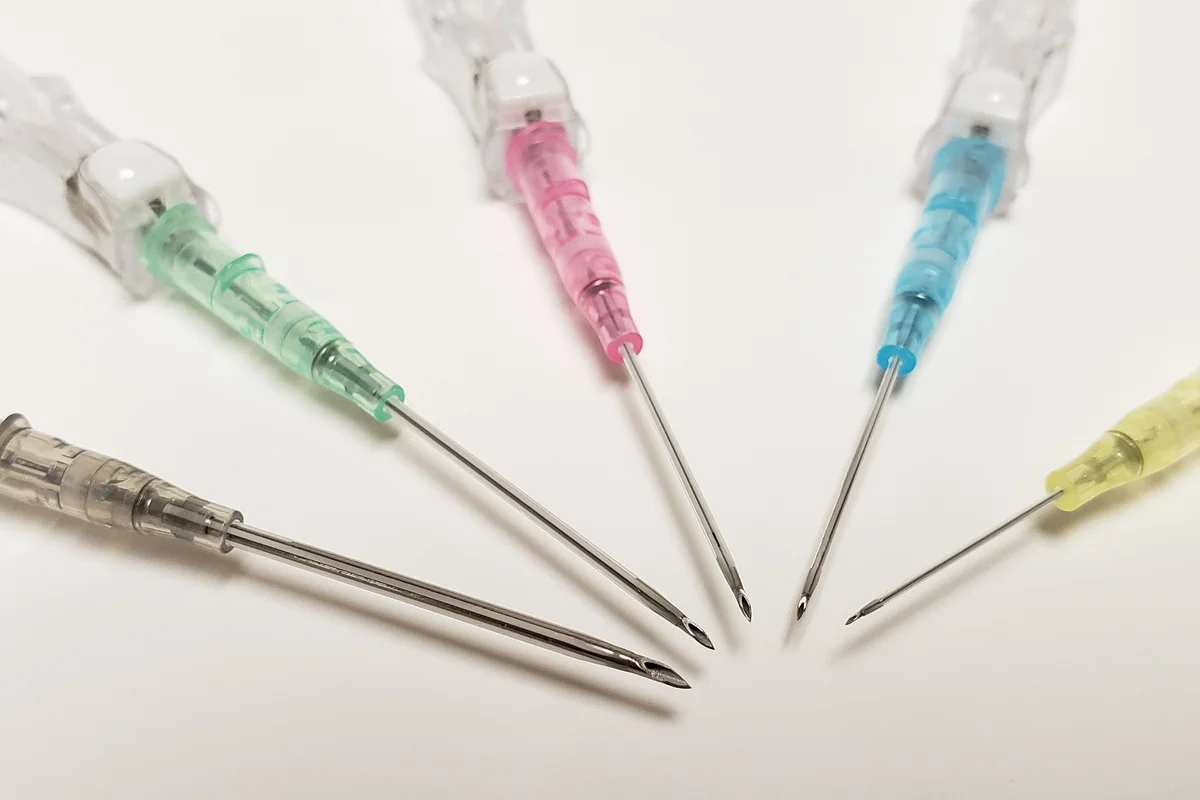
Sterile medical equipment and safety protocols for IV therapy. Source: Wikimedia Commons
According to Indonesian Law No. 36/2009 on Health, all medical services must be performed by licensed healthcare professionals who possess valid credentials and operate within approved healthcare facilities or mobile services with proper permits[2].
Key Legal Requirements:
- • Medical professionals must possess valid STR (Surat Tanda Registrasi) certificates issued by the Indonesian Medical Council
- • All medications and IV solutions must have BPOM approval and registration numbers
- • Healthcare facilities (including mobile services) require proper licensing from local health authorities
- • Patient consent and medical documentation must be maintained for all procedures
- • Emergency protocols and equipment must be available during all treatments[3]
2. Ministry of Health Standards
The Indonesian Ministry of Health has established comprehensive standards for intravenous therapy administration through Regulation No. 27/2017 on Infection Prevention and Control Guidelines[4].
Mandatory Safety Standards:
Sterile Technique Requirements:
All IV insertions must follow aseptic technique protocols including hand hygiene, sterile gloves, antiseptic skin preparation with chlorhexidine or alcohol, and sterile equipment[5].
Single-Use Equipment:
Needles, catheters, syringes, and administration sets must be single-use and disposed of immediately in puncture-resistant biohazard containers. Equipment reuse is illegal and poses serious infection risks[6].
Patient Monitoring:
Vital signs (blood pressure, heart rate, oxygen saturation) must be assessed before, during, and after treatment. Continuous observation is required throughout IV administration[7].
3. BPOM Requirements for IV Medications
BPOM (Badan Pengawas Obat dan Makanan) serves as Indonesia's pharmaceutical regulatory authority, equivalent to the FDA in the United States. All medications and medical devices used in Indonesia must receive BPOM approval before distribution and use[8].
BPOM Registration Numbers:
Every approved medication in Indonesia has a unique BPOM registration number printed on packaging. This number typically follows these formats:
- • DKL: Domestically produced pharmaceutical products
- • DBL: Domestically produced natural/herbal products
- • DKI: Imported pharmaceutical products
- • ML: Imported cosmetic products (not for IV use)
You can verify BPOM registration numbers at https://cekbpom.pom.go.id/
Commonly used BPOM-approved IV therapy medications include normal saline (0.9% NaCl), Ringer's Lactate, dextrose solutions, B-complex vitamins, vitamin C (ascorbic acid), magnesium sulfate, and anti-nausea medications such as ondansetron[9].
4. Medical Licensing Requirements (STR)
In Indonesia, medical professionals must obtain STR (Surat Tanda Registrasi) certification to legally practice. The STR is issued by professional councils and must be renewed every five years[10].
STR Certification Process:
- Education Verification: Completion of accredited nursing or medical school programs
- National Competency Examination: Passing the Uji Kompetensi (competency exam) for nursing or medical practice
- Professional Registration: Registration with Ikatan Perawat Indonesia (IPI) for nurses or Ikatan Dokter Indonesia (IDI) for physicians
- STR Issuance: Certificate issued after verification of credentials and examination results
- Annual Practice Permit: SIP (Surat Izin Praktik) obtained annually from local health departments[11]
Legitimate IV therapy providers will readily show STR certificates upon request. The certificate includes the professional's name, license number, specialization, date of issuance, and expiration date. If a provider refuses to show credentials or claims they "don't need" licensing for mobile services, this is a serious red flag[12].
5. Registered Nurse vs Technician: Critical Differences
A critical distinction exists between registered nurses (Perawat) and medical technicians in Indonesia. Only registered nurses with proper STR certification are legally authorized to perform IV catheter insertions and administer medications[13].
Registered Nurse (Perawat) - Legal for IV Therapy:
- ✓ Completed 3-4 year diploma or bachelor's degree in nursing
- ✓ Passed national competency examination
- ✓ Holds valid STR certification from nursing council
- ✓ Annual SIP practice permit
- ✓ Trained in IV insertion, medication administration, and emergency response
- ✓ Authorized to assess patients and make clinical decisions
- ✓ Legally permitted to administer IV therapy independently[14]
Medical Technician - NOT Legal for IV Therapy:
- ✗ Shorter vocational training programs
- ✗ Limited scope of practice
- ✗ Cannot perform invasive procedures without supervision
- ✗ Not authorized to insert IV catheters
- ✗ Cannot administer medications independently
- ✗ Cannot make independent clinical assessments
- ✗ Using technicians for IV therapy violates Indonesian medical regulations[15]
Some unscrupulous providers use medical technicians or minimally trained staff to reduce costs, claiming they are "supervised" by a distant physician. This practice is illegal and extremely dangerous. Always verify that the person inserting your IV catheter is a licensed registered nurse with current STR certification.
Need Safe, Licensed IV Therapy in Bali?
All our nurses are licensed (STR certified), insured, and use only BPOM-approved medications. We provide full documentation for your safety and insurance claims.
6. How to Verify Medical Credentials
Protecting yourself starts with verification. Here's exactly how to confirm a provider's legitimacy before receiving treatment:
Step 1: Request STR Certificate
Ask to see the nurse's STR (Surat Tanda Registrasi) certificate before treatment. Legitimate providers keep copies readily available and will show them without hesitation.
What to check: Name matches ID, license number is clearly visible, issue and expiration dates are current, issuing authority is stated (e.g., "Konsil Keperawatan Indonesia").
Step 2: Verify BPOM Approval
Check medication packaging for BPOM registration numbers (format: DKL, DKI, or DBL followed by numbers). All solutions and medications should have original, sealed packaging.
Online verification: Visit cekbpom.pom.go.id and enter the registration number to confirm authenticity.
Step 3: Confirm Insurance Coverage
Ask if the provider carries malpractice insurance and request to see proof. Licensed medical services should have liability coverage for patient protection.
Red flag: If provider says they "don't need insurance" or can't provide documentation, this indicates operating outside legal frameworks.
Step 4: Review Business Registration
Legitimate medical businesses have proper registration with Indonesian authorities (SIUP - business permit, TDP - company registration).
Ask: "Can I see your business license and health facility permit?" Legal operations will provide these documents.
7. Safety Standards & Protocols
Professional IV therapy providers follow strict safety protocols aligned with international standards from the World Health Organization (WHO) and Centers for Disease Control (CDC)[16].
Hand Hygiene Protocol
Medical professionals must perform hand hygiene with soap and water or alcohol-based hand sanitizer before patient contact, before aseptic tasks, after exposure to body fluids, and after patient contact. This reduces infection transmission by up to 50%[17].
Sterile Field Maintenance
All equipment must be opened from sterile packaging immediately before use. The insertion site must be cleaned with chlorhexidine or 70% alcohol and allowed to dry completely. Sterile gloves are mandatory for IV insertion[18].
Equipment Sterilization
All needles, catheters, and syringes must be single-use and factory-sealed. Reusable equipment (blood pressure cuffs, pulse oximeters) must be sanitized between patients. Biohazard waste must be disposed of in puncture-resistant sharps containers[19].
Patient Monitoring
Baseline vital signs (blood pressure, heart rate, respiratory rate, oxygen saturation, temperature) must be documented before treatment. Patients should be monitored every 15 minutes during IV administration and for 30 minutes post-treatment[20].
Emergency Preparedness
Providers must carry emergency medications (epinephrine for anaphylaxis, antihistamines for allergic reactions), oxygen supplementation equipment, and have established protocols for emergency transport to hospital facilities. Staff must be certified in Basic Life Support (BLS) or Advanced Cardiac Life Support (ACLS)[21].
8. Common Safety Concerns Addressed
Concern: Infection Risk
Reality: When proper sterile technique is followed, IV therapy infection rates are less than 0.5%. However, improper technique can lead to bloodstream infections, cellulitis, or abscess formation[22].
Protection: Ensure single-use needles opened in your presence, watch for proper hand hygiene and glove use, verify insertion site is properly cleaned and dried before catheter insertion.
Concern: Allergic Reactions
Reality: Allergic reactions to IV medications occur in approximately 1-3% of treatments, ranging from mild rashes to severe anaphylaxis. Reactions typically occur within the first 15 minutes[23].
Protection: Complete allergy screening before treatment, ensure provider has emergency medications available, remain under observation for 30 minutes after treatment completion.
Concern: Overhydration (Fluid Overload)
Reality: Excessive IV fluids can cause fluid overload, particularly dangerous for individuals with heart or kidney conditions. Symptoms include shortness of breath, swelling, and elevated blood pressure[24].
Protection: Disclose all medical conditions (especially heart, kidney, or lung disease), providers should limit volumes to 500-1000ml for wellness treatments, vital signs should be monitored throughout infusion.
Concern: Air Embolism
Reality: Air embolisms (air bubbles in bloodstream) are rare but potentially life-threatening. They occur when air enters the IV line. Small amounts (less than 5ml) are usually harmless, but larger volumes can be fatal[25].
Protection: Licensed nurses are trained to purge air from IV lines. Watch for nurse to "prime" the line (run fluid through tubing before connection) and ensure IV bags are hung properly to prevent air entry.
9. How to Choose a Safe Provider
Selecting a reputable IV therapy provider requires asking the right questions and evaluating responses critically.
Essential Questions to Ask Before Booking:
1. "Are your nurses licensed with current STR certification?"
Acceptable answer: "Yes, all our nurses hold valid STR licenses. We're happy to show credentials before treatment."
Red flag: Vague responses, claims that "certification isn't needed," or refusal to provide documentation.
2. "Are all your medications BPOM-approved?"
Acceptable answer: "Yes, we only use BPOM-approved medications. You can verify registration numbers on packaging."
Red flag: Cannot provide BPOM numbers, uses repackaged or unlabeled solutions.
3. "Do you carry malpractice insurance?"
Acceptable answer: "Yes, we maintain comprehensive malpractice and liability insurance for patient protection."
Red flag: No insurance, claims it's "not necessary," or avoids the question.
4. "What emergency protocols do you have if I have an allergic reaction?"
Acceptable answer: "We carry emergency medications including epinephrine, have oxygen available, and maintain partnerships with nearby hospitals. All staff are BLS/ACLS certified."
Red flag: No emergency plan, "it never happens," or lack of emergency supplies.
5. "Can you provide documentation for insurance claims?"
Acceptable answer: "Yes, we provide detailed medical receipts with provider credentials, treatment details, and diagnosis codes for insurance purposes."
Red flag: No documentation available or only generic receipts without medical details.
Warning Signs - Do NOT Use Provider If:
- ✗Prices are significantly below market rates (legitimate medical services have standard costs)
- ✗No medical assessment before treatment (proper care requires medical history)
- ✗Provider operates from residential addresses without proper facilities
- ✗Staff cannot answer basic questions about medications or procedures
- ✗No written consent forms or patient documentation
- ✗Pressure to book immediately without time to verify credentials
10. What Happens During Safe IV Administration
Understanding the proper procedure helps you identify when protocols are being followed correctly.
1Pre-Treatment Assessment (10-15 minutes)
- • Medical history review (current conditions, medications, allergies)
- • Symptom assessment and treatment goal discussion
- • Baseline vital signs measurement
- • Explanation of procedure, ingredients, and potential side effects
- • Signed informed consent form
2IV Insertion (5-10 minutes)
- • Hand hygiene and sterile glove application
- • Vein selection and tourniquet application
- • Skin cleaning with antiseptic (allowed to dry completely)
- • New, sterile catheter opened in your presence
- • Catheter insertion, blood flashback confirmation, and securement
- • Connection to primed IV tubing (air purged)
3During Infusion (20 minutes)
- • Nurse remains present or nearby throughout treatment
- • Patient comfort monitoring (are you feeling okay?)
- • Insertion site checks for swelling, redness, or pain
- • Flow rate monitoring and adjustment as needed
- • Immediate response to any discomfort or concerns
4Post-Treatment (15-30 minutes)
- • Safe catheter removal and site bandaging
- • Post-treatment vital signs assessment
- • 15-30 minute observation period for delayed reactions
- • Discharge instructions and follow-up care guidance
- • Provision of medical documentation and receipt
11. When IV Therapy is NOT Safe
Certain medical conditions make IV therapy unsafe or require hospital-based administration with physician oversight. Legitimate providers will refuse treatment when contraindications exist - this is a sign of responsible medical practice, not poor service.
Absolute Contraindications (DO NOT receive IV therapy):
- ✗Congestive Heart Failure (CHF): IV fluids can overload the cardiovascular system, causing pulmonary edema (fluid in lungs) and respiratory distress[24].
- ✗Severe Kidney Disease/Renal Failure: Kidneys cannot process additional fluids, leading to dangerous electrolyte imbalances and fluid retention[25].
- ✗Active Cellulitis or Skin Infection at Insertion Sites: IV insertion through infected tissue spreads bacteria into bloodstream, causing sepsis.
- ✗Known Severe Allergies to IV Components: If you've had anaphylactic reactions to medications in the IV formula, treatment is unsafe.
- ✗Severe Electrolyte Imbalances: Conditions like hyperkalemia (high potassium) or hyponatremia (low sodium) require hospital monitoring during correction.
Relative Contraindications (Requires physician consultation first):
- • Pregnancy or breastfeeding (some medications contraindicated)
- • Diabetes (IV dextrose can affect blood sugar levels)
- • History of blood clots or clotting disorders
- • Current use of blood thinners (warfarin, heparin)
- • Compromised immune system (chemotherapy, HIV/AIDS)
- • Liver disease or cirrhosis
- • Severe anemia or blood disorders
- • Recent surgery (within 2 weeks)
When to Go to Hospital Instead:
IV therapy is for wellness and mild-to-moderate symptoms. Seek hospital emergency care for:
- • Severe dehydration (unable to keep down any fluids for 24+ hours)
- • High fever above 39°C (102.2°F) lasting more than 3 days
- • Blood in vomit or stool
- • Severe abdominal pain
- • Confusion, dizziness, or loss of consciousness
- • Chest pain or difficulty breathing
- • Signs of severe infection (rapid heart rate, very low blood pressure)
12. Our Safety Commitment
Why IV Drip Bali 24 is Your Safest Choice
Licensed Medical Team
All our nurses hold valid STR (Surat Tanda Registrasi) certificates from the Indonesian Nursing Council. We verify and renew certifications annually. Every nurse carries identification and credentials for your verification.
100% BPOM-Approved Medications
We exclusively use medications registered with BPOM (Indonesia's FDA). All medications remain in original, sealed packaging with visible registration numbers. We never use repackaged or unlabeled solutions.
Full Liability Insurance
We maintain comprehensive malpractice and liability insurance covering all treatments. Our insurance documentation is available upon request, providing you complete financial protection.
Sterile, Single-Use Equipment
Every needle, catheter, and syringe is single-use and opened in front of you. We use factory-sealed equipment and dispose of all materials in medical-grade biohazard containers immediately after use.
Complete Medical Documentation
We provide detailed medical receipts including nurse credentials, treatment specifics, medication dosages, and diagnosis codes. All documentation is suitable for travel insurance claims.
Emergency Protocols
All nurses are BLS/ACLS certified. We carry emergency medications (epinephrine, antihistamines), oxygen equipment, and maintain 24/7 physician consultation availability. We have established relationships with Bali's top hospitals for emergency transport if needed.
Ready for Safe, Professional IV Therapy?
Book with confidence knowing you're receiving licensed, regulated medical care. Available 24/7 across all Bali. Response time: 20-25 minutes.
13. Frequently Asked Questions
Is IV therapy legal in Bali?
Yes, IV therapy is legal in Bali when administered by licensed medical professionals using BPOM-approved medications. Providers must have proper medical licensing (STR - Surat Tanda Registrasi) and operate under Indonesian Ministry of Health regulations.
What is BPOM and why does it matter for IV therapy?
BPOM (Badan Pengawas Obat dan Makanan) is Indonesia's Food and Drug Administration equivalent. BPOM approval ensures all medications and IV solutions meet safety and quality standards. Only BPOM-approved products can be legally used in medical treatments in Indonesia.
How can I verify if an IV therapy provider is licensed?
Ask to see the nurse's STR (Surat Tanda Registrasi) certificate, verify they are registered nurses (not technicians), check for liability insurance documentation, and confirm BPOM approval numbers on medication packaging. Licensed providers will gladly show credentials upon request.
What are the risks of unlicensed IV therapy providers?
Unlicensed providers may use non-sterile equipment, counterfeit medications, improperly trained staff, incorrect dosages, and lack emergency protocols. This can lead to infections, allergic reactions, air embolisms, and no legal recourse if complications arise.
What safety checks should happen before IV therapy?
A licensed medical professional should conduct a medical history review, check allergies and contraindications, verify current medications, take baseline vital signs (blood pressure, heart rate, oxygen saturation), and explain the procedure and potential side effects.
Are IV therapy needles reused in Bali?
Licensed providers use single-use, sterile needles and catheters that are opened in front of patients and disposed of in biohazard containers immediately after use. Needle reuse is illegal and extremely dangerous. Always verify your needle is new and sealed.
What medications are approved for IV therapy in Indonesia?
BPOM-approved IV medications include normal saline, electrolyte solutions, B-complex vitamins, vitamin C, magnesium sulfate, anti-nausea medications (ondansetron), and certain anti-inflammatory drugs. All must display BPOM registration numbers.
Can anyone administer IV therapy in Bali?
No. Only registered nurses (Perawat) or doctors with valid STR licenses can legally administer IV therapy in Indonesia. Medical technicians and unlicensed individuals cannot perform IV insertions or medication administration.
What should I do if I experience complications during IV therapy?
Immediately alert the medical professional administering treatment. Licensed providers have protocols for allergic reactions, infiltration, and other complications. If symptoms are severe (difficulty breathing, chest pain, severe swelling), seek emergency hospital care immediately.
Is IV therapy safe for tourists in Bali?
Yes, when provided by licensed medical professionals using BPOM-approved medications and sterile techniques. Thousands of tourists safely receive IV therapy in Bali monthly. Always verify credentials and choose reputable providers with proper licensing.
What documentation should I receive after IV therapy?
You should receive a medical receipt with provider's license number, itemized treatment details including medications and dosages, medical professional's signature and credentials, and patient consent forms. This documentation is required for travel insurance claims.
How often can I safely receive IV therapy?
For hydration and vitamins, most people can safely receive IV therapy weekly or as needed. However, frequency depends on individual health status and treatment type. Licensed providers conduct assessments before each treatment to ensure safety.
Are there medical conditions that make IV therapy unsafe?
Yes. Contraindications include congestive heart failure, severe kidney disease, certain heart conditions, pregnancy (some medications), and known allergies to IV components. Always disclose your complete medical history to providers.
What is the difference between mobile IV therapy and clinic-based?
Both must follow the same safety standards and licensing requirements. Mobile services bring licensed nurses to your location with medical equipment and BPOM-approved medications. Clinic-based services treat patients at a fixed medical facility. Safety standards are identical.
Can I claim IV therapy on my travel insurance?
Many travel insurance policies cover medically necessary IV therapy (Bali Belly, severe dehydration, illness). Providers should supply detailed medical documentation including diagnosis codes, treatment details, and licensed professional credentials for insurance claims.
14. Medical References
- [1] BPOM RI. (2023). "Peraturan Badan Pengawas Obat dan Makanan tentang Registrasi Obat." Badan POM.BPOM.go.id
- [2] Republik Indonesia. (2009). "Undang-Undang Republik Indonesia Nomor 36 Tahun 2009 tentang Kesehatan." Ministry of Health.Kemkes.go.id
- [3] Kementerian Kesehatan RI. (2017). "Peraturan Menteri Kesehatan Republik Indonesia Nomor 27 Tahun 2017 tentang Pedoman Pencegahan dan Pengendalian Infeksi." Ministry of Health Indonesia.
- [4] Ministry of Health Indonesia. (2017). "Infection Prevention and Control Guidelines (Permenkes 27/2017)." Official Gazette of Indonesia.
- [5] World Health Organization. (2016). "Guidelines on Core Components of Infection Prevention and Control Programmes at the National and Acute Health Care Facility Level." WHO.WHO
- [6] Centers for Disease Control and Prevention. (2022). "Infection Control Basics." CDC.CDC
- [7] Infusion Nurses Society. (2021). "Infusion Therapy Standards of Practice, 8th Edition." Journal of Infusion Nursing, 44(1S), S1-S224.
- [8] BPOM. (2020). "Pedoman Teknis Registrasi Obat." Badan Pengawas Obat dan Makanan Republik Indonesia.
- [9] BPOM. (2023). "Daftar Obat Terdaftar - Larutan Infus dan Vitamin Parenteral." Available at: https://cekbpom.pom.go.id/
- [10] Konsil Keperawatan Indonesia. (2021). "Pedoman Registrasi dan Sertifikasi Perawat." Indonesian Nursing Council.
- [11] Kementerian Kesehatan. (2020). "Peraturan tentang Surat Izin Praktik (SIP) Tenaga Kesehatan." Ministry of Health Regulation.
- [12] International Council of Nurses. (2020). "Regulation and Standards: Nurse Regulatory Requirements." ICN.ICN
- [13] PPNI (Persatuan Perawat Nasional Indonesia). (2021). "Standar Praktik Keperawatan Indonesia." Indonesian National Nurses Association.
- [14] World Health Organization. (2016). "Nurse Educator Core Competencies." WHO.
- [15] Indonesian Nursing Law. (2014). "Undang-Undang Nomor 38 Tahun 2014 tentang Keperawatan." Government of Indonesia.
- [16] World Health Organization. (2019). "WHO Guidelines on Hand Hygiene in Health Care." WHO.WHO
- [17] Pittet, D., et al. (2000). "Effectiveness of a hospital-wide programme to improve compliance with hand hygiene." The Lancet, 356(9238), 1307-1312.PubMed
- [18] O'Grady, N. P., et al. (2011). "Guidelines for the prevention of intravascular catheter-related infections." Clinical Infectious Diseases, 52(9), e162-e193.PubMed
- [19] Rutala, W. A., & Weber, D. J. (2008). "Guideline for disinfection and sterilization in healthcare facilities." CDC.CDC
- [20] Infusion Nurses Society. (2016). "Policies and Procedures for Infusion Therapy, 5th Edition." INS.
- [21] American Heart Association. (2020). "Guidelines for Cardiopulmonary Resuscitation and Emergency Cardiovascular Care." Circulation, 142(16_suppl_2), S337-S357.
- [22] Maki, D. G., et al. (2006). "The risk of bloodstream infection in adults with different intravascular devices." Mayo Clinic Proceedings, 81(9), 1159-1171.PubMed
- [23] Riedl, M. A., & Casillas, A. M. (2003). "Adverse drug reactions: types and treatment options." American Family Physician, 68(9), 1781-1790.PubMed
- [24] Malbrain, M. L., et al. (2014). "Principles of fluid management and stewardship in septic shock." Intensive Care Medicine, 40(9), 1297-1307.PubMed
- [25] McCarthy, C. J., et al. (2016). "Air embolism: practical tips for prevention and treatment." Journal of Clinical Medicine, 5(11), 93.PubMed
Related Articles
Experience Safe, Licensed IV Therapy in Bali
Book with confidence. All nurses licensed (STR certified). All medications BPOM-approved. Full insurance coverage. Complete documentation for your safety.