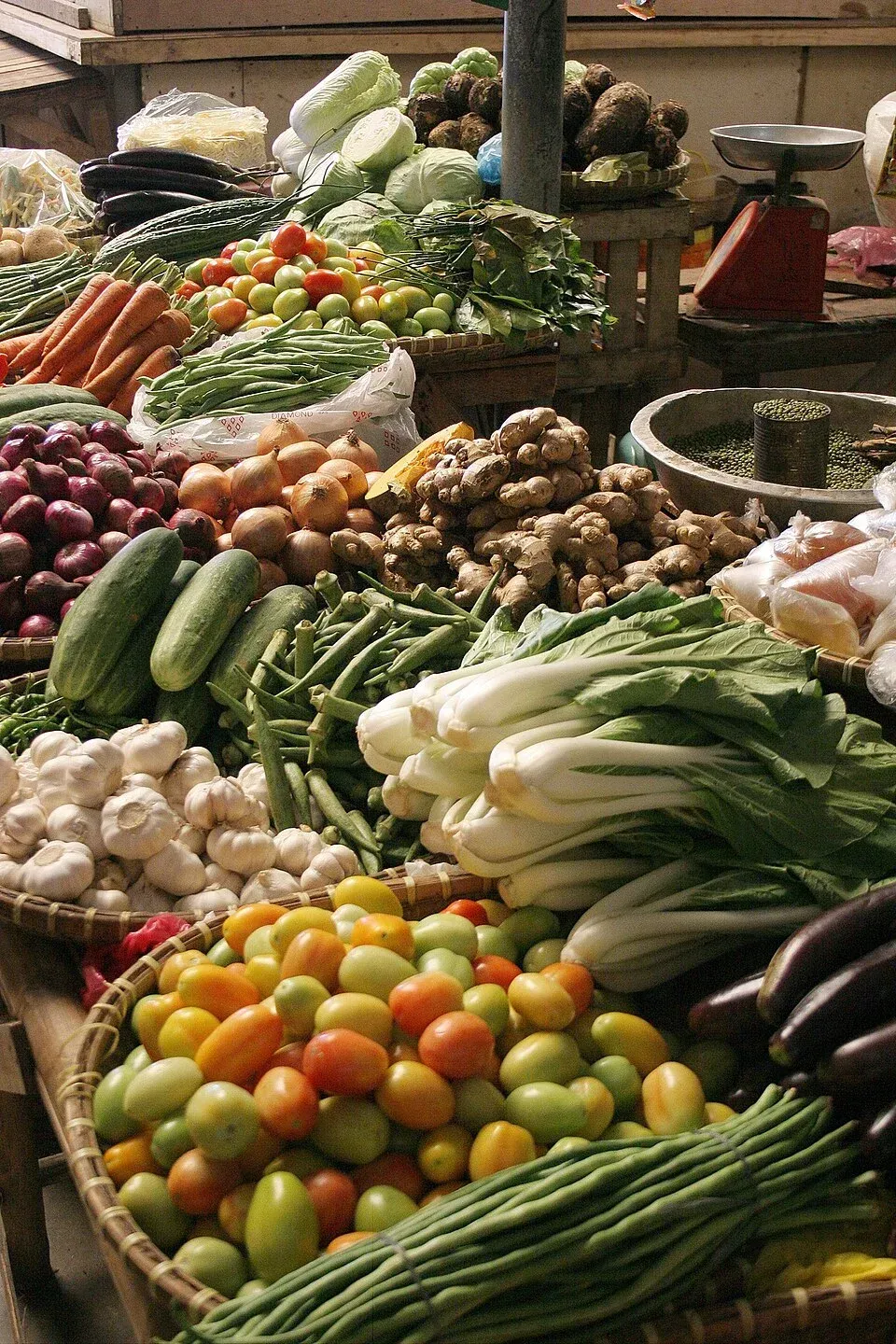
Plant-based diets provide many benefits but require careful nutritional planning, especially in tropical climates. Source: Wikimedia Commons
Bali has become a global hub for yoga retreats, wellness tourism, and plant-based living. Thousands of vegans and vegetarians flock to the island each year, drawn by its thriving vegan cafe scene, spiritual atmosphere, and health-conscious community. But beneath the green smoothie bowls and tempeh satay lies a nutritional reality many plant-based travelers don't anticipate: maintaining optimal nutrient status in the tropics on a vegan diet is more challenging than it appears.
The combination of increased nutrient demands from tropical heat, limited access to fortified foods, potential digestive disruptions from travel, and reduced dietary variety compared to home can create the perfect storm for nutrient deficiencies. This is where IV therapy can play a valuable role for vegans and vegetarians visiting or living in Bali.
This comprehensive guide will help you understand which nutrients you need to monitor, how to identify deficiency symptoms, what to look for in vegan-friendly IV formulations, and how to maintain optimal health while enjoying your plant-based lifestyle in paradise.
Common Nutrient Deficiencies in Plant-Based Diets
While well-planned vegan and vegetarian diets can provide most essential nutrients, certain vitamins and minerals are either absent from plant sources or present in less bioavailable forms. Here are the key nutrients vegans need to monitor:
Vitamin B12 (Cobalamin)
Why Vegans Are Deficient
B12 is not produced by plants. It's made by bacteria and found almost exclusively in animal products. Plant foods do not contain reliable amounts of active B12.
Deficiency Timeline
Body stores can last 2-5 years after going vegan, but depletion is inevitable without supplementation.
Critical Risk: All vegans must supplement B12
This is non-negotiable. B12 deficiency can cause irreversible nerve damage if left untreated.
Iron
The Problem
Plant foods contain non-heme iron, which is absorbed at only 2-20% efficiency compared to 15-35% for heme iron from meat.
Who's Most at Risk
Menstruating women, athletes, and those with digestive issues have significantly higher iron needs.
Vegan Iron Strategy
Combine iron-rich plants with vitamin C, avoid tea/coffee with meals, and monitor ferritin levels annually.
Zinc
Absorption Challenge
Phytates in grains, legumes, and nuts bind zinc and reduce absorption. Vegans may need 50% more zinc than omnivores.
Functions Affected
Immune function, wound healing, protein synthesis, DNA synthesis, and sense of taste/smell.
Vitamin D
Limited Plant Sources
Very few plant foods contain vitamin D. Most dietary D comes from fortified foods or animal products.
Bali Advantage
Year-round sunshine means skin synthesis is possible, but indoor work and sunscreen use limit this.
Omega-3 Fatty Acids (EPA & DHA)
The Conversion Problem
Plants provide ALA, which must be converted to EPA and DHA. Conversion rates are very low (often under 5%).
Health Impact
Critical for brain health, heart health, and reducing inflammation.
Iodine
Source Limitations
Main sources are dairy and seafood. Plant-based iodine from seaweed is highly variable and unreliable.
Thyroid Function
Essential for thyroid hormones that regulate metabolism, energy, and body temperature.
Why Bali is Uniquely Challenging for Vegans
Despite Bali's reputation as a vegan paradise, the island presents several nutritional challenges that can compound deficiency risks for plant-based eaters:
Limited Fortified Foods
In Western countries, vegans rely heavily on fortified plant milks, cereals, nutritional yeast, and meat alternatives that provide B12, vitamin D, calcium, and iron. These products are expensive and difficult to find consistently in Bali.
Impact: Increased risk of multiple deficiencies
Increased Nutrient Demands
Tropical heat and humidity increase fluid loss, which also means greater loss of water-soluble vitamins (B-complex, vitamin C). Your body requires more nutrients to maintain temperature regulation and replace what's lost through sweat.
Impact: Higher nutrient requirements than in temperate climates
Digestive Disruptions
Many travelers experience digestive issues in Bali from unfamiliar foods, water quality changes, or foodborne illness. Diarrhea and digestive upset severely impair nutrient absorption, even from an adequate diet.
Impact: Malabsorption compounds dietary insufficiencies
Reduced Dietary Variety
While Bali has excellent vegan cafes, the cuisine is often repetitive (rice, tempeh, tofu, tropical fruit). You may find it harder to achieve the diverse plant intake you had at home with access to international ingredients.
Impact: Micronutrient gaps from limited food variety
Ingredient Verification Challenges
At local warungs and restaurants, it's often difficult to verify ingredients. Shrimp paste, fish sauce, and chicken stock are commonly used in vegetable dishes without being listed on menus.
Impact: Unintended restriction of food choices, stress
Alcohol and Party Culture
Bali's vibrant nightlife and social scene often involves alcohol consumption, which depletes B vitamins, magnesium, and zinc. Combined with a vegan diet already low in these nutrients, deficiencies can develop quickly.
Impact: Accelerated nutrient depletion
The Cumulative Effect
These challenges compound over time. A vegan who arrives in Bali with borderline-low B12 or iron stores may develop symptomatic deficiency within weeks rather than months due to the combination of limited fortified foods, increased demands, and potential malabsorption.
The Critical Importance of B12 for Vegans
Of all the nutrients vegans need to supplement, vitamin B12 is the most critical and non-negotiable. Unlike iron or zinc, where you can optimize absorption from plant sources, there is no reliable plant source of active vitamin B12.
Essential Truth About B12
Every long-term vegan will become B12 deficient without supplementation. This is not a matter of debate or individual variation. It is biochemical fact.
B12 is made by bacteria, not plants. While some plant foods may be contaminated with B12-producing bacteria or contain B12 analogues (inactive forms), these are not reliable sources and the analogues can actually interfere with B12 metabolism.
Why B12 Deficiency is So Dangerous
Irreversible Neurological Damage
B12 is essential for maintaining the myelin sheath that protects nerve fibers. Severe, prolonged deficiency can cause permanent nerve damage affecting movement, sensation, cognition, and balance. Some neurological effects may not be reversible even with treatment.
Delayed Symptom Onset
The liver stores several years' worth of B12. By the time symptoms appear, you may already have significant depletion. Symptoms develop gradually, making it easy to attribute fatigue or brain fog to other causes.
Blood Cell Production
B12 is required for red blood cell formation. Deficiency causes megaloblastic anemia, where the body produces abnormally large, dysfunctional red blood cells that cannot carry oxygen efficiently.
Mental Health Impact
B12 deficiency is associated with depression, anxiety, memory problems, and cognitive decline. The vitamin plays a role in neurotransmitter production and brain cell communication.
B12 Deficiency Progression in Vegans
Liver Stores Deplete
No symptoms yet. Blood levels may still appear normal. Body is using stored B12 from liver reserves built during omnivore years.
Early Symptoms Emerge
Fatigue, mild brain fog, occasional tingling. Blood tests show low-normal or low B12. Many attribute symptoms to stress or busy lifestyle.
Serious Symptoms
Severe fatigue, depression, balance problems, memory issues, numbness in extremities. Risk of permanent neurological damage if untreated.
B12 Supplementation for Vegans: The Options
Oral Supplements
Daily: 250-500 mcg cyanocobalamin or methylcobalamin. Weekly: 2000 mcg. Works for most vegans if taken consistently.
Sublingual/Spray
Absorbed through mouth tissues, bypassing stomach. Good for those with absorption issues.
Intramuscular Injections
1000 mcg monthly for maintenance, more frequently for deficiency correction. 100% bioavailable. Ideal for travelers who struggle with daily oral supplements.
IV Therapy
B12 included in many IV formulations. Immediate availability to tissues. Excellent for rapid correction of deficiency or addressing acute symptoms.
Iron Absorption Challenges on Plant-Based Diets
Iron deficiency is one of the most common nutritional deficiencies worldwide, and vegans face unique challenges when it comes to iron absorption. Understanding the difference between heme and non-heme iron is essential for preventing deficiency.
| Factor | Heme Iron (Meat) | Non-Heme Iron (Plants) |
|---|---|---|
| Absorption rate | 15-35% | 2-20% |
| Affected by other foods | Minimally | Significantly |
| Enhanced by vitamin C | No | Yes (critical) |
| Inhibited by phytates | No | Yes |
| Inhibited by tannins | No | Yes (tea, coffee) |
Maximizing Iron Absorption from Plant Foods
DO THESE
- ✓Combine iron-rich foods with vitamin C sources (citrus, peppers, tomatoes)
- ✓Soak, sprout, or ferment legumes and grains to reduce phytates
- ✓Cook in cast iron cookware (increases iron content of food)
- ✓Eat iron-rich foods at separate meals from calcium supplements
- ✓Include garlic and onions (contain sulfur compounds that boost absorption)
AVOID THESE
- ✗Drinking tea or coffee with meals (wait 1-2 hours)
- ✗Taking calcium supplements with iron-rich meals
- ✗Excessive wheat bran consumption (very high in phytates)
- ✗Antacids or proton pump inhibitors (reduce iron absorption)
- ✗Relying on spinach as primary iron source (high in oxalates that bind iron)
Best Vegan Iron Sources in Bali
Legumes
- • Lentils (widely available)
- • Chickpeas
- • Black beans
- • Tempeh (Indonesian staple)
Seeds & Nuts
- • Pumpkin seeds
- • Cashews (local)
- • Sesame seeds/tahini
- • Hemp seeds (cafes)
Greens & Grains
- • Quinoa (common in cafes)
- • Oats
- • Dark leafy greens
- • Dried apricots
When Dietary Iron Isn't Enough: IV Iron Therapy
Some vegans struggle to maintain adequate iron levels despite dietary optimization, especially if they are:
- • Menstruating women with heavy periods
- • Endurance athletes with high turnover
- • People with digestive disorders affecting absorption
- • Those who cannot tolerate oral iron supplements (common side effects: constipation, nausea)
IV iron therapy can rapidly restore iron levels without the digestive side effects of oral supplements. However, it requires proper medical evaluation including ferritin and full iron panel testing before administration.
Vegan-Friendly IV Therapy Formulations
Not all IV drips are created equal when it comes to vegan-friendly ingredients. While most vitamins and minerals used in IV therapy are synthetically produced and therefore vegan, some formulations may contain animal-derived ingredients.
Common IV Ingredients: Vegan Status
Vitamin B12 (Cyanocobalamin/Methylcobalamin)
Produced through bacterial fermentation. No animal products involved.
Vitamin C (Ascorbic Acid)
Synthetically produced from glucose. Vegan-friendly.
B-Complex Vitamins
Typically synthetic or bacterial fermentation. Generally vegan.
Minerals (Magnesium, Zinc, Selenium)
Mined or chemically synthesized. No animal sources.
Vitamin D3 (Cholecalciferol)
Often derived from lanolin (sheep's wool). Vegan D3 from lichen exists but is less common.
Glutathione
Can be animal-derived or synthetic. Most pharmaceutical glutathione is synthetic and vegan.
Amino Acids
Can be plant-based or animal-derived. Request confirmation from provider.
Recommended Vegan IV Formulations
Essential Vegan IV
Addresses most common vegan deficiencies
- • Vitamin B12 (1000-2000 mcg methylcobalamin)
- • B-Complex (B1, B2, B3, B5, B6)
- • Vitamin C (high dose: 2000-5000mg)
- • Magnesium
- • Zinc
- • Selenium
Frequency: Monthly for maintenance, weekly for deficiency correction
Energy & Mental Clarity IV
For brain fog, fatigue, mood support
- • Methylcobalamin B12 (high dose)
- • B-Complex (emphasis on B6, folate)
- • Magnesium (muscle & nerve function)
- • Taurine (if vegan source confirmed)
- • L-Carnitine (if vegan source confirmed)
Ideal for: Digital nomads, yoga retreat participants
Immune Support IV
Prevent illness in tropical environment
- • High-dose Vitamin C (5000-10000mg)
- • Zinc (immune function)
- • B-Complex (stress response)
- • Selenium (antioxidant)
- • Glutathione (if vegan source confirmed)
Frequency: Weekly during high-stress periods or illness exposure
Athletic Recovery IV
For yoga, surfing, gym activities
- • Electrolytes (sodium, potassium, chloride)
- • Magnesium (muscle recovery)
- • Vitamin C (tissue repair)
- • B-Complex (energy metabolism)
- • Zinc (protein synthesis)
Ideal for: Surf trips, yoga teacher trainings, active travelers
How to Ensure Your IV Ingredients are Vegan
As a vegan patient, you have the right to know exactly what is going into your body. Here's how to ensure your IV therapy aligns with your values:
Step 1: Request a Complete Ingredient List
Before booking your IV therapy, ask your provider for a written list of all ingredients including:
- • Each vitamin and mineral included
- • The specific form used (e.g., methylcobalamin vs. cyanocobalamin)
- • Any amino acids or additional compounds
- • The base solution (typically saline or Ringer's lactate)
Step 2: Ask About Source of Questionable Ingredients
For ingredients that may be animal-derived, specifically ask:
Vitamin D3:
"Is this from lanolin or from vegan lichen? Can you show me the product label?"
Glutathione:
"Is this synthetic or animal-derived? Do you have documentation from the manufacturer?"
Amino Acids:
"What is the source of the amino acids in this formulation?"
Step 3: Request Product Documentation
A reputable IV therapy provider should be able to show you manufacturer documentation or product inserts that list ingredient sources. If they cannot or will not provide this information, consider it a red flag.
Step 4: Communicate Clearly
Don't assume providers understand veganism. Be explicit:
"I follow a strict vegan diet for ethical reasons. This means I cannot have any ingredients derived from animals, including lanolin, animal-derived amino acids, or products tested on animals where alternatives exist. Can you confirm that all ingredients in this IV formulation meet these criteria?"
At IV Drip Bali 24: Our Vegan Commitment
We understand the importance of vegan-friendly medical care. When you book with us:
- ✓We provide complete ingredient lists for all IV formulations upon request
- ✓We can customize formulations to exclude any animal-derived ingredients
- ✓Our medical team is trained to respect dietary ethics and restrictions
- ✓We maintain documentation of ingredient sources for transparency
Long-Term Vegan Health in the Tropics
For vegans planning extended stays in Bali or other tropical locations, maintaining optimal health requires a proactive approach that combines diet, supplementation, lifestyle factors, and regular monitoring.
Essential Health Monitoring for Long-Term Vegans
Recommended Blood Tests Every 6-12 Months:
Essential Tests
- • Vitamin B12 (serum B12 or better: methylmalonic acid)
- • Complete Blood Count (CBC) for anemia
- • Ferritin and iron panel
- • Vitamin D (25-hydroxyvitamin D)
- • Zinc (if symptomatic)
Optional But Valuable
- • Omega-3 index (EPA & DHA levels)
- • Iodine (urinary iodine)
- • Calcium (if concerned about bone health)
- • Homocysteine (marker of B12/folate status)
- • Thyroid panel (TSH, T3, T4)
Adapting to Tropical Climate Demands
Increased Hydration Needs
Tropical heat dramatically increases fluid loss through sweat. For vegans, this means greater loss of water-soluble vitamins.
Strategy:
- • Drink 3-4 liters of water daily minimum
- • Include electrolyte drinks (coconut water)
- • Consider weekly hydration IV therapy during hot season
Higher Energy Expenditure
Your body works harder to maintain temperature regulation in heat. This increases caloric and nutrient needs.
Strategy:
- • Increase overall caloric intake by 10-15%
- • Focus on nutrient-dense foods
- • Don't under-eat (common mistake in heat)
Digestive Adaptations
Tropical foods, water changes, and occasional digestive issues can affect nutrient absorption.
Strategy:
- • Include fermented foods (tempeh, miso)
- • Consider probiotic supplementation
- • Use IV therapy to bypass absorption during illness
Immune Challenges
New pathogens, dengue risk, and tropical infections require robust immune function.
Strategy:
- • Prioritize sleep (harder in tropical heat)
- • High-dose vitamin C (diet + supplements)
- • Immune-focused IV therapy monthly
Building a Sustainable Supplement Strategy
Comprehensive Vegan Supplement Protocol for Bali
Daily:
- • B12: 250-500 mcg methylcobalamin or cyanocobalamin
- • Vitamin D3: 2000-4000 IU (vegan lichen source)
- • Omega-3: 250-500mg combined EPA/DHA from algae
- • Iodine: 150 mcg (from iodized salt or supplement)
- • Vitamin C: 500-1000mg
As Needed Based on Blood Tests:
- • Iron: 18-27mg (with vitamin C, separate from tea/coffee)
- • Zinc: 8-11mg (if levels low or high phytate diet)
- • Calcium: 1000mg if not consuming fortified foods
Monthly IV Therapy:
- • B12 injection or B-complex IV
- • Alternating: Immune support or energy formulation
- • Hydration IV during rainy season or after illness
Combining IV Therapy with Diet Optimization
IV therapy is most effective when used as part of a comprehensive approach to vegan nutrition. Think of IV therapy as addressing immediate deficiencies and providing insurance against gaps, while dietary optimization prevents future issues.
The Synergistic Approach
Foundation: Diet
Your daily food choices form the foundation. Focus on:
- • Diverse plant proteins every meal
- • Leafy greens daily
- • Legumes and whole grains
- • Nuts, seeds, healthy fats
- • Fortified foods when available
Support: Supplements
Daily oral supplements fill the gaps that diet cannot:
- • B12 (essential, non-negotiable)
- • Vitamin D (if limited sun exposure)
- • Omega-3 from algae
- • Iron if levels are low
- • Zinc if needed
Insurance: IV Therapy
Periodic IV therapy provides:
- • Rapid correction of deficiencies
- • Bypass of absorption issues
- • Higher doses than oral possible
- • Support during illness or stress
- • Peace of mind
Practical Meal Planning in Bali
Sample Day of Optimized Vegan Eating in Bali
Breakfast (8 AM)
Smoothie bowl with:
- • Tropical fruits (vitamin C for iron absorption)
- • Pumpkin seeds (iron, zinc)
- • Hemp seeds (omega-3 ALA, protein)
- • Oats (iron, B vitamins)
- • Fortified plant milk (B12, calcium, vitamin D)
Mid-Morning (11 AM)
Coconut water + cashews (electrolytes, zinc, healthy fats)
Lunch (1 PM)
Tempeh bowl with:
- • Marinated tempeh (protein, iron, fermented for absorption)
- • Brown rice or quinoa (iron, B vitamins, protein)
- • Steamed greens with lemon (iron + vitamin C)
- • Tahini dressing (calcium, iron, zinc)
- • Fermented vegetables (probiotics)
Afternoon (4 PM)
Trail mix with walnuts, dried apricots, pumpkin seeds
Dinner (7 PM)
Lentil curry with:
- • Red or black lentils (high iron, protein)
- • Tomatoes and bell peppers (vitamin C)
- • Spinach or kale (iron, calcium - cooked to reduce oxalates)
- • Coconut milk (healthy fats)
- • Served with whole grain roti or rice
Key Timing Notes:
- • Take B12 supplement with breakfast
- • Vitamin D supplement with lunch (fat-soluble, take with meal)
- • Iron supplement before bed if needed (away from tea, with orange juice)
- • Avoid tea/coffee within 2 hours of iron-rich meals
When to Use IV Therapy vs. Oral Supplements
| Situation | Oral Supplements | IV Therapy |
|---|---|---|
| Daily maintenance | ✓ Preferred | Not necessary |
| Confirmed deficiency | ? Slower correction | ✓ Faster results |
| Digestive issues | ✗ Poor absorption | ✓ Bypasses gut |
| During Bali Belly | ✗ Won't absorb | ✓ Essential |
| Monthly check-in | ? If compliant | ✓ Insurance policy |
| High stress period | ? May not be enough | ✓ Boosts levels |
Frequently Asked Questions
Do vegans need IV therapy more than omnivores?▼
Not necessarily more, but differently. Vegans are at higher risk for specific deficiencies like B12, iron, zinc, and omega-3s that are easier to obtain from animal products. Well-planned vegan diets can provide most nutrients, but B12 in particular must be supplemented as it's not reliably available from plant sources.
IV therapy can be beneficial for vegans who are experiencing symptoms of deficiency or who have difficulty with oral supplements. It's not that vegans inherently need more IV therapy, but they may benefit from it when addressing specific nutrient gaps that are common on plant-based diets.
Is vitamin B12 in IV drips vegan-friendly?▼
Yes, most pharmaceutical-grade B12 used in IV therapy is synthetically produced (cyanocobalamin or methylcobalamin) and does not come from animal sources. It's created through bacterial fermentation, making it suitable for vegans.
However, always confirm with your provider that all ingredients in the IV formulation are vegan. While the B12 itself is typically vegan, other components of the IV mixture may not be.
Why is Bali particularly challenging for vegans nutritionally?▼
Bali presents unique challenges for vegans:
- Limited availability of fortified foods (fortified plant milks, cereals, nutritional yeast)
- Increased nutrient demands from tropical heat and humidity
- Higher risk of digestive issues that impair absorption
- Reduced access to diverse plant-based protein sources compared to Western countries
- Difficulty verifying ingredient sources at local warungs
The combination of increased needs and reduced availability makes monitoring nutrient status more important for vegans in Bali than in their home countries.
How often should vegans get B12 injections in Bali?▼
For vegans with confirmed B12 deficiency, initial treatment typically involves weekly or biweekly injections for 4-8 weeks until levels normalize.
For maintenance, most vegans do well with monthly injections, though some may need more or less frequent dosing depending on their levels. Long-term vegans living in or visiting Bali for extended periods should have their B12 levels checked every 6-12 months and adjust their supplementation accordingly.
If you're taking oral B12 supplements consistently (250-500 mcg daily), monthly IV or injection B12 can serve as insurance rather than primary supplementation.
Can IV therapy help with iron deficiency in vegans?▼
Yes, but with important considerations. Iron IV therapy can be highly effective for vegans with iron deficiency anemia, especially when oral supplements cause digestive upset or aren't well absorbed.
However, iron infusions require proper medical evaluation first, including ferritin and iron panel tests. The non-heme iron from plant sources is less bioavailable than heme iron from meat, making vegans more susceptible to deficiency.
IV iron therapy bypasses absorption issues and can quickly restore levels, but it's not appropriate for everyone and should only be administered under medical supervision after confirmed deficiency.
Are all IV drip ingredients vegan?▼
Not always. While most vitamins and minerals in IV therapy are synthetically produced and vegan, some formulations may contain animal-derived ingredients.
Common non-vegan ingredients to watch for include:
- Certain forms of vitamin D3 (often from lanolin/sheep's wool)
- Some amino acid blends (may be animal-derived)
- Glutathione (can be animal or synthetic)
Always request a complete ingredient list and ask your provider to confirm vegan status of all components.
What are the first signs of B12 deficiency in vegans?▼
Early B12 deficiency symptoms include:
- Persistent fatigue that doesn't improve with rest
- Difficulty concentrating or brain fog
- Mood changes or mild depression
- Tingling or numbness in hands and feet (paresthesia)
- Pale or slightly yellowish skin
- Shortness of breath during light activity
- Balance issues or difficulty walking
Because B12 deficiency develops gradually over months to years, many vegans don't realize they're deficient until symptoms become pronounced. Regular blood testing is essential rather than waiting for symptoms to appear.
Should vegans combine IV therapy with dietary changes in Bali?▼
Absolutely. IV therapy is most effective when combined with dietary optimization. In Bali, vegans should focus on:
- Iron-rich plant foods with vitamin C (for absorption)
- Zinc from legumes, nuts, and seeds
- Omega-3s from chia, flax, and walnuts
- Fortified foods when available (bring from home if needed)
- Diverse protein sources at every meal
- Adequate calories to meet increased tropical demands
IV therapy addresses immediate deficiencies while dietary improvements prevent future issues. Consider working with a nutritionist familiar with both veganism and tropical living for best results.
Vegan-Friendly IV Therapy in Bali
Our medical team understands plant-based nutrition and can customize IV formulations to support your vegan lifestyle. We provide complete ingredient transparency and vegan-certified options.
Book Vegan IV Therapy NowScientific References
- [1] Pawlak R, et al. (2014). "How prevalent is vitamin B12 deficiency among vegetarians?" Nutrition Reviews, 72(5), 289-300.PubMed
- [2] Hunt JR. (2003). "Bioavailability of iron, zinc, and other trace minerals from vegetarian diets." American Journal of Clinical Nutrition, 78(3), 633S-639S.PubMed
- [3] Melina V, et al. (2016). "Position of the Academy of Nutrition and Dietetics: Vegetarian Diets." Journal of the Academy of Nutrition and Dietetics, 116(12), 1970-1980.PubMed
- [4] Sanders TAB. (2009). "DHA status of vegetarians." Prostaglandins, Leukotrienes and Essential Fatty Acids, 81(2-3), 137-141.PubMed
- [5] Rizzo G, et al. (2016). "Vitamin B12 among Vegetarians: Status, Assessment and Supplementation." Nutrients, 8(12), 767.PubMed