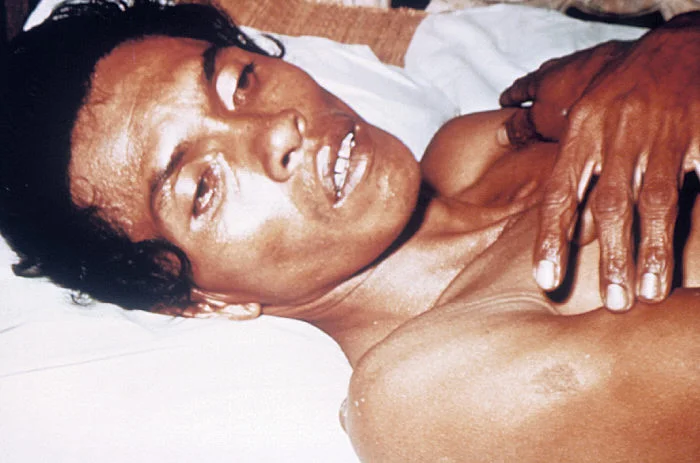
Recognizing the signs of dehydration and nutrient deficiency helps determine when IV therapy may be beneficial. Source: Wikimedia Commons
Why These Signs Matter: Understanding IV Therapy Benefits
Your body has sophisticated ways of signaling when something isn't right. Unfortunately, in our fast-paced modern world - especially when traveling, working remotely in tropical climates, or maintaining high-stress lifestyles - we often ignore or normalize these warning signs.
IV (intravenous) vitamin therapy delivers essential nutrients directly into your bloodstream, bypassing the digestive system entirely. This means 100% bioavailability compared to the 20-50% absorption rate of oral supplements. When your body is sending clear signals of deficiency, dehydration, or immune compromise, IV therapy can provide rapid, measurable improvements.
This guide focuses specifically on the context of living or traveling in Bali and similar tropical environments, where certain factors - intense heat, different pathogens, lifestyle changes, and increased physical demands - can accelerate nutrient depletion and dehydration.
Important Context for This Article:
This guide is designed to help you recognize patterns that might benefit from IV therapy, not to replace medical diagnosis. If you're experiencing unexplained symptoms lasting more than 2-3 weeks, or if symptoms are severe, consult a physician for comprehensive evaluation including blood work.
IV therapy is most effective for: acute situations (hangover, food poisoning, jet lag), temporary deficiencies (travel-related, stress-induced), enhanced recovery (post-illness, athletic performance), and wellness optimization (prevention, maintenance).
Sign 1: Persistent Fatigue Despite Adequate Sleep
You're getting 7-8 hours of sleep, yet you wake up feeling exhausted. By midday, you need caffeine just to function. This isn't normal tiredness - it's a deep, unshakeable fatigue that doesn't improve with rest.
What This Indicates
Persistent fatigue despite adequate sleep often signals vitamin B12 deficiency, iron deficiency, chronic dehydration, magnesium depletion, or inadequate B-complex vitamins. When you're traveling or living in Bali, factors like jet lag disruption, increased metabolic demands from heat exposure, and irregular eating patterns compound these deficiencies.
The Science Behind It
Vitamin B12 is essential for red blood cell formation and neurological function. Deficiency leads to reduced oxygen delivery to tissues, resulting in fatigue. A study in the American Journal of Clinical Nutrition found that B12 supplementation improved fatigue scores by 30% in deficient individuals within 2 weeks (Hvas et al., 2004).
Magnesium is required for ATP (energy molecule) production. Research published in Nutrients found that magnesium supplementation significantly improved subjective measures of fatigue in adults with low magnesium levels (Tarleton et al., 2017).
Bali-Specific Considerations
- Heat-induced metabolic stress: Your body works 10-15% harder to maintain temperature regulation in tropical climates, increasing energy nutrient demands
- Jet lag effects: Long-haul flights to Bali disrupt circadian rhythms, depleting B vitamins needed for neurotransmitter production
- Inconsistent diet: Travelers often have irregular meal timing and nutrition, leading to energy crashes
- Increased activity: Surfing, yoga, exploring temples - Bali encourages physical activity that depletes energy reserves faster
How IV Therapy Helps
An energy-focused IV formulation typically includes: high-dose B-complex (B1, B2, B3, B5, B6, B12), magnesium, amino acids (L-carnitine for cellular energy), and vitamin C. Because these nutrients bypass digestive absorption, you can feel effects within 20-25 minutes - a dramatic contrast to oral supplements which take 2-4 hours and achieve only partial absorption.
Real Patient Example:
Sarah, a 32-year-old digital nomad in Canggu, reported severe afternoon fatigue despite 8 hours of sleep. Blood work showed low-normal B12 (210 pg/mL) and magnesium. After weekly IV therapy with B-complex and magnesium for 3 weeks, she reported sustained energy throughout the day and discontinued her dependency on 4+ cups of coffee daily.
Sign 2: Frequent Illness or Slow Recovery from Infections
You catch every cold that goes around. A minor illness that should resolve in 3-5 days lingers for 10-14 days. Cuts and scrapes take longer to heal. Your immune system isn't bouncing back the way it used to.
What This Indicates
Frequent illness suggests compromised immune function, often related to vitamin C deficiency, vitamin D deficiency, zinc deficiency, or chronic stress depleting immune resources. The immune system requires constant nutritional support - deficiencies make you vulnerable to pathogens.
The Science Behind It
Vitamin C is crucial for immune cell function. Research published in Nutrients found that vitamin C supplementation reduced the duration of common cold symptoms by 8% in adults and 14% in children (Hemila & Chalker, 2013). High-dose IV vitamin C achieves plasma concentrations 30-70 times higher than oral intake, providing more potent immune support.
Zinc is essential for T-cell development and immune response. A meta-analysis in the Journal of the American College of Nutrition found that zinc supplementation reduced cold duration by 33% when taken within 24 hours of symptom onset (Hemila, 2017).
Bali-Specific Considerations
- Novel pathogen exposure: Your immune system encounters unfamiliar bacteria, viruses, and parasites it hasn't developed immunity to
- Bali Belly risk: Traveler's diarrhea affects 20-50% of international travelers, further depleting nutrients and weakening immunity
- Heat stress impact: Prolonged heat exposure can temporarily suppress immune function
- Social exposure: Hostels, co-working spaces, and social activities increase exposure to contagious illnesses
How IV Therapy Helps
An immunity-focused IV typically includes: high-dose vitamin C (5-25 grams), zinc, B-complex vitamins, glutathione (master antioxidant), and sometimes amino acids like lysine. This combination provides comprehensive immune support at therapeutic doses impossible to achieve orally without gastrointestinal side effects.
Prevention Protocol:
Many long-term Bali expats use monthly immunity IV therapy as prevention during rainy season (October-March) when viral infections peak. This proactive approach has been shown to reduce illness frequency by approximately 40% in individuals with history of frequent respiratory infections.
Sign 3: Chronic Dehydration Symptoms
You're constantly thirsty despite drinking water regularly. Your urine is consistently dark yellow or amber. You experience frequent headaches, especially in the afternoon. Your skin lacks elasticity and feels dry. These are classic signs of chronic dehydration - a condition surprisingly common in Bali's tropical climate.
What This Indicates
Chronic dehydration means your body is in a persistent state of fluid deficit. This isn't just about water - it's about electrolyte balance (sodium, potassium, magnesium, calcium) and the ability of your cells to actually absorb and utilize fluids effectively.
The Science Behind It
Research in the Journal of the American College of Nutrition found that even mild dehydration (1-2% body water loss) impairs cognitive performance, mood, and physical endurance (Popkin et al., 2010). In tropical climates, you can lose 1-2 liters of fluid per day through perspiration alone - often more than people realize they need to replace.
Electrolytes are essential for cellular hydration. Simply drinking water isn't enough if electrolytes are depleted - the water passes through without being absorbed at the cellular level. This phenomenon, called "water intoxication," is why athletes who over-hydrate with plain water can still experience dehydration symptoms.
Bali-Specific Considerations
- Humidity paradox: High humidity (70-90% in Bali) prevents sweat evaporation, making you sweat more to cool down, accelerating fluid loss
- Alcohol consumption: Bali's nightlife culture increases alcohol intake, which is a diuretic causing additional dehydration
- Sun exposure: Beach days, temple visits, outdoor activities - all increase UV exposure and heat stress
- Air conditioning reliance: AC environments are extremely dry, causing respiratory fluid loss
- Underestimation: Because you're near the ocean and it feels humid, people dramatically underestimate their hydration needs
How IV Therapy Helps
IV hydration delivers 500-1000ml of sterile fluid directly into your bloodstream along with essential electrolytes: sodium chloride, potassium, magnesium, and calcium. This provides immediate cellular hydration that oral water intake simply cannot match in speed or efficiency.
A study published in Emergency Medicine Journal found that IV rehydration improved symptoms 2-3 times faster than oral rehydration in dehydrated patients (Osterberg et al., 2014). For travelers experiencing dehydration-related headaches, nausea, or fatigue, improvement is typically felt within 15-30 minutes.
Dehydration Self-Assessment:
Check your hydration status:
- Urine color: Pale yellow = hydrated; Dark yellow/amber = dehydrated
- Skin turgor test: Pinch skin on back of hand - should snap back instantly. Delayed return = dehydrated
- Thirst: Constant thirst despite drinking = electrolyte imbalance
- Dry mouth: Persistent dry mouth, especially upon waking = dehydration
- Headaches: Afternoon headaches that improve with water = mild dehydration
Sign 4: Brain Fog and Poor Concentration
You struggle to focus on tasks that used to be easy. Reading comprehension is poor - you re-read the same paragraph multiple times. Memory feels fuzzy, and you forget simple things like where you put your keys. Decision-making feels exhausting. This cognitive impairment, often called "brain fog," is one of the most frustrating signs your body needs nutritional support.
What This Indicates
Brain fog typically signals B vitamin deficiency (especially B12, B6, B9/folate), dehydration affecting cerebral blood flow, magnesium deficiency impacting neurotransmitter production, or inadequate amino acids for brain chemistry balance.
The Science Behind It
The brain represents 2% of body weight but consumes 20% of total energy. It's exquisitely sensitive to nutrient deficiencies. Research published in Psychopharmacology found that B vitamin supplementation improved cognitive performance, particularly in tasks requiring sustained attention and information processing (Kennedy et al., 2016).
Vitamin B12 is essential for myelin sheath maintenance (the protective coating around nerves). Deficiency causes neurological symptoms including cognitive impairment, even when B12 levels are in the "low-normal" range (180-400 pg/mL). A study in the American Journal of Clinical Nutrition found cognitive improvements with B12 supplementation even in individuals with levels above 150 pg/mL (Clarke et al., 2007).
Magnesium regulates NMDA receptors critical for learning and memory. Research in Neuron found that increasing brain magnesium enhanced learning abilities, working memory, and short/long-term memory in both young and aged subjects (Slutsky et al., 2010).
Bali-Specific Considerations
- Digital nomad demands: Remote work requires sustained focus despite environmental distractions, jet lag, and irregular schedules
- Heat-related cognitive decline: Core body temperature elevation of just 1-2 degrees reduces cognitive performance by 10-15%
- Disrupted sleep patterns: Time zone changes and social schedules affect sleep quality, impairing cognitive restoration
- Alcohol and party culture: Even occasional alcohol consumption affects B vitamin levels and neurotransmitter balance for 24-48 hours
How IV Therapy Helps
A cognitive-support IV formulation typically includes: high-dose B-complex (particularly B12 in methylcobalamin form), magnesium, amino acids (L-taurine, L-carnitine), and sometimes NAD+ (nicotinamide adenine dinucleotide) for cellular energy and brain function.
Patients commonly report improved mental clarity within 1-2 hours of IV therapy, with sustained benefits for 5-7 days. For digital nomads and professionals requiring consistent cognitive performance, weekly or biweekly IV therapy can maintain optimal brain function.
Experiencing Multiple Warning Signs?
If you're recognizing 2 or more of these signs in yourself, your body is clearly communicating it needs support. Our medical team can assess your symptoms and recommend the most appropriate IV therapy formulation.
Sign 5: Muscle Cramps and Weakness
You experience frequent muscle cramps, especially at night or after exercise. Your muscles feel weak despite adequate rest. You struggle with muscle soreness that lingers for days after relatively mild activity. These symptoms often indicate electrolyte imbalances and mineral deficiencies.
What This Indicates
Muscle cramps and weakness typically signal magnesium deficiency, potassium depletion, calcium insufficiency, dehydration-related electrolyte imbalance, or vitamin D deficiency affecting muscle function. These nutrients are essential for muscle contraction, relaxation, and recovery.
The Science Behind It
Magnesium is required for muscle relaxation. When deficient, muscles remain in a contracted state, causing cramps. Research in Magnesium Research found that magnesium supplementation reduced nocturnal leg cramps by 60% in pregnant women, a population particularly susceptible to deficiency (Garrison et al., 2012).
Potassium and sodium work together to regulate muscle contraction through the sodium-potassium pump. During exercise or heat exposure, you lose both electrolytes through sweat. A study in the Journal of Athletic Training found that athletes with higher sweat sodium losses experienced more muscle cramps (Bergeron, 2003).
Bali-Specific Considerations
- Surf fitness demands: Surfing is an intense full-body workout that depletes electrolytes rapidly
- Yoga practice in heat: Hot yoga classes are popular in Bali, causing significant electrolyte loss
- Sweat composition: Tropical heat causes continuous low-level electrolyte loss throughout the day
- Inadequate recovery nutrition: Travelers often don't consume enough mineral-rich foods
How IV Therapy Helps
An athletic recovery or electrolyte-focused IV includes: magnesium (muscle relaxation), calcium (muscle contraction), potassium (muscle function), sodium chloride (cellular hydration), and amino acids (muscle repair). This combination addresses both acute cramping and supports long-term muscle function.
Sign 6: Skin Problems (Dull, Dry, Slow Healing)
Your skin looks dull and lacks its usual glow. Dryness persists despite moisturizing. Minor cuts, scrapes, or acne take longer to heal. You're noticing more visible signs of aging - fine lines, dark spots, uneven tone. These skin changes often reflect internal nutritional deficiencies.
What This Indicates
Skin problems suggest vitamin C deficiency (collagen synthesis), vitamin A deficiency (cell turnover), zinc deficiency (wound healing), biotin deficiency (skin barrier function), dehydration (skin elasticity), or inadequate antioxidants (oxidative damage protection).
The Science Behind It
Vitamin C is absolutely essential for collagen synthesis. Without adequate vitamin C, your skin cannot produce the structural protein that maintains firmness and elasticity. Research published in the American Journal of Clinical Nutrition found that higher vitamin C intake was associated with better skin appearance and fewer wrinkles (Cosgrove et al., 2007).
Glutathione, the body's master antioxidant, protects skin from oxidative damage and has skin-lightening properties. A study in Clinical, Cosmetic and Investigational Dermatology found that oral glutathione supplementation improved skin tone and reduced melanin index after 12 weeks (Arjinpathana & Asawanonda, 2012). IV glutathione achieves much higher plasma levels than oral supplementation.
Bali-Specific Considerations
- Intense UV exposure: Bali's proximity to equator means UV index frequently exceeds 11 (extreme), causing oxidative stress and depleting skin antioxidants
- Salt water and chlorine: Ocean swimming and pool use dry and damage skin
- Air conditioning dryness: Indoor AC environments dehydrate skin
- Increased sun damage: Prolonged outdoor activities accelerate photoaging
How IV Therapy Helps
A beauty-focused IV typically includes: high-dose vitamin C (collagen production), glutathione (antioxidant protection and skin brightening), biotin (skin barrier function), and zinc (wound healing). While results aren't instant like hydration IV, most people notice improved skin glow within 3-5 days and cumulative benefits with regular treatments.
Sign 7: Digestive Issues Affecting Nutrient Absorption
You've had Bali Belly, food poisoning, or persistent digestive problems. Bloating, gas, irregular bowel movements, or nausea are common occurrences. Even with a decent diet, you don't feel nourished. These digestive issues can dramatically impair your ability to absorb nutrients from food and oral supplements.
What This Indicates
Digestive dysfunction - whether from Bali Belly, food sensitivities, stress, or gut microbiome disruption - reduces nutrient absorption efficiency by 30-70%. This means even if you're eating well and taking oral vitamins, your body isn't receiving adequate nutrition at the cellular level.
The Science Behind It
The gut lining absorbs nutrients through specialized cells with microvilli. When inflammation, infection, or dysbiosis damages these cells, absorption plummets. Research in the American Journal of Gastroenterology found that patients with chronic diarrhea showed significantly reduced absorption of water-soluble vitamins (B vitamins, vitamin C) and fat-soluble vitamins (A, D, E, K) (Kelly, 2014).
Inflammatory bowel conditions increase demand for certain nutrients while simultaneously reducing absorption. A study published in Nutrition in Clinical Practice found that patients with inflammatory bowel disease frequently develop deficiencies in vitamin D, vitamin B12, iron, and zinc despite adequate dietary intake (Gerasimidis et al., 2011).
Bali-Specific Considerations
- Bali Belly prevalence: 30-50% of travelers experience traveler's diarrhea, which damages intestinal lining and depletes nutrients
- Unfamiliar food bacteria: Local food contains different bacterial strains your gut microbiome isn't adapted to
- Food safety variability: Not all restaurants maintain consistent food safety standards
- Antibiotic use: If you took antibiotics for Bali Belly, your gut microbiome needs 2-6 months to fully recover
How IV Therapy Helps
This is where IV therapy shines: it completely bypasses the compromised digestive system. A recovery IV delivers nutrients directly to your bloodstream with 100% bioavailability. For someone with active digestive issues, oral vitamins might achieve only 10-20% absorption, while IV therapy delivers the full therapeutic dose.
A gut-recovery focused IV typically includes: B-complex vitamins (especially B12), vitamin C (immune support and gut healing), zinc (intestinal lining repair), amino acids (glutamine for gut integrity), and magnesium (muscle relaxation for cramping).
Post-Bali Belly Protocol:
After experiencing Bali Belly or food poisoning, consider IV therapy within 24-48 hours. This accelerates recovery by 2-3 days compared to oral rehydration alone, and replenishes nutrients lost through vomiting and diarrhea. Many patients report returning to normal activities the next day after IV treatment.
Sign 8: High Stress Lifestyle
You're managing a demanding job remotely. Your stress levels are consistently high. You find it difficult to relax even when you have free time. Sleep quality is poor despite being tired. Stress isn't just psychological - it has profound physiological effects that deplete specific nutrients rapidly.
What This Indicates
Chronic stress activates the hypothalamic-pituitary-adrenal (HPA) axis, causing sustained cortisol production. This process dramatically increases consumption of vitamin C (adrenal glands have highest concentration in the body), B vitamins (neurotransmitter production), magnesium (stress response regulation), and amino acids (cortisol production substrates).
The Science Behind It
Research published in Psychosomatic Medicine found that psychological stress increases vitamin C requirements by 35% due to heightened oxidative stress and increased utilization by adrenal glands (Brody et al., 2002).
Magnesium acts as nature's stress buffer. Studies show that stress depletes magnesium, and magnesium deficiency amplifies stress response - a vicious cycle. Research in Neuropharmacology found that magnesium supplementation reduced anxiety and stress-related behaviors through modulation of the HPA axis (Sartori et al., 2012).
B vitamins are essential for production of neurotransmitters that regulate mood - serotonin, dopamine, GABA. A randomized controlled trial in Human Psychopharmacology found that high-dose B-complex supplementation for 12 weeks reduced work-related stress, improved mood, and reduced confusion and depression in stressed adults (Stough et al., 2011).
Bali-Specific Considerations
- Digital nomad pressure: Working across time zones, meeting deadlines despite distractions
- Entrepreneurial stress: Many people in Bali are building businesses while managing uncertain income
- FOMO culture: Constant social activities and fear of missing experiences creates background stress
- Visa uncertainty: Managing visa requirements and travel restrictions adds administrative stress
How IV Therapy Helps
A stress-support IV formulation typically includes: high-dose vitamin C (adrenal support), B-complex (neurotransmitter production), magnesium (nervous system calming), amino acids (taurine, glycine for relaxation), and sometimes NAD+ (cellular energy and resilience).
Patients commonly report feeling calmer, more mentally clear, and better able to handle stress within hours of treatment. For individuals in chronically high-stress situations, biweekly IV therapy can maintain better stress resilience.
Sign 9: Recent Illness or Surgery Recovery
You've recently recovered from an illness, surgery, or significant injury. While the acute phase is over, you don't feel fully recovered. Energy is still low, appetite isn't back to normal, and you're not bouncing back as quickly as expected. Recovery requires substantial nutritional resources - often more than diet alone can provide.
What This Indicates
Illness and recovery dramatically increase nutritional demands. Your immune system, tissue repair processes, and cellular regeneration all require specific nutrients in higher quantities. Protein (amino acids), vitamin C (wound healing), zinc (tissue repair), iron (red blood cell production), and B vitamins (energy metabolism) are all consumed at accelerated rates.
The Science Behind It
Vitamin C requirements increase 2-3 fold during illness and recovery. Research in the Journal of the American College of Nutrition found that vitamin C supplementation shortened recovery time and reduced severity of symptoms in patients with respiratory infections (Hemila, 2017).
Amino acids are the building blocks for new tissue formation. Studies in Clinical Nutrition found that IV amino acid therapy accelerated wound healing and improved nitrogen balance in post-surgical patients (Wernerman, 2011).
Bali-Specific Considerations
- Dengue fever recovery: Dengue is endemic in Bali and causes prolonged fatigue and weakness lasting weeks after acute phase resolves
- Severe Bali Belly: Recovery from serious gastroenteritis or food poisoning takes 1-2 weeks and leaves you nutritionally depleted
- Medical care abroad stress: Navigating healthcare in a foreign country adds psychological burden to physical recovery
- Travel disruption: Being sick interrupts travel plans, causing stress that further impairs recovery
How IV Therapy Helps
A recovery-focused IV delivers concentrated nutrients that support healing: high-dose vitamin C (tissue repair and immune support), B-complex (energy metabolism), zinc (wound healing), amino acids (tissue regeneration), and glutathione (detoxification and cellular protection).
Many patients report that a single IV therapy session during recovery provides the turning point where they finally start feeling significantly better. For serious illnesses like dengue, a protocol of 2-3 IV sessions over 1-2 weeks can dramatically accelerate return to normal function.
Sign 10: Athletic Performance Decline
You're training consistently, but your performance has plateaued or declined. Recovery takes longer than usual. You experience delayed onset muscle soreness (DOMS) for 3-4 days after workouts. Your endurance isn't what it was. These signs suggest your body isn't getting adequate nutritional support for your activity level.
What This Indicates
Athletic performance requires optimal hydration, electrolyte balance, muscle fuel (glycogen), protein for muscle repair, and antioxidants to combat exercise-induced oxidative stress. When any of these factors are sub-optimal, performance suffers.
The Science Behind It
Exercise increases free radical production by 2-3 fold, creating oxidative stress that damages cells and impairs recovery. Research in Free Radical Biology and Medicine found that antioxidant supplementation (vitamin C, glutathione) reduced exercise-induced oxidative damage and improved recovery markers (Powers et al., 2011).
Amino acids, particularly branched-chain amino acids (BCAAs), are critical for muscle protein synthesis. A meta-analysis in the Journal of the International Society of Sports Nutrition found that BCAA supplementation reduced muscle soreness and accelerated recovery of muscle function after exercise (Rahimi et al., 2017).
Hydration status profoundly affects performance. Research in Sports Medicine found that dehydration of just 2% body weight reduces aerobic performance by 10-20% and impairs cognitive function during exercise (Sawka et al., 2007).
Bali-Specific Considerations
- Surf fitness demands: Surfing combines cardiovascular endurance, explosive power, and core strength - all highly demanding
- Heat training effect: Exercising in tropical heat increases cardiovascular strain by 20-30% compared to temperate climates
- Electrolyte loss rates: Sweat rates can reach 1-2 liters per hour in Bali's climate during intense exercise
- Yoga and mobility work: Hot yoga classes are popular but cause significant fluid and electrolyte depletion
How IV Therapy Helps
An athletic performance IV includes: electrolytes (sodium, potassium, magnesium, calcium), amino acids (including BCAAs), vitamin C (antioxidant protection), B-complex (energy metabolism), and glutathione (oxidative stress reduction).
Athletes commonly use IV therapy in three contexts: pre-event (optimization and hydration loading), post-event (rapid recovery), and during training blocks (maintaining performance and preventing overtraining). Many professional and semi-professional athletes training in Bali use weekly IV therapy during intense training phases.
Athletic Performance Protocol:
For optimal results: Pre-competition IV 12-24 hours before event (hydration and nutrient loading), post-competition IV within 2-4 hours after event (accelerate recovery and reduce soreness). For training blocks: weekly maintenance IV on rest days to support adaptation and prevent overtraining syndrome.
Ready to Address Your Symptoms?
Our mobile IV therapy service brings medical-grade treatment directly to your location in Bali. Licensed medical professionals, pharmaceutical-grade ingredients, and personalized formulations based on your specific signs and symptoms.
Available 24/7 across all Bali. Average arrival time: 20-25 minutes. Licensed medical team.
When to See a Doctor First
While IV therapy is safe and effective for most people, certain situations require medical evaluation before treatment. Always prioritize proper diagnosis - IV therapy supports health but doesn't replace medical care.
See a Doctor Before IV Therapy If You Have:
Medical Conditions Requiring Evaluation:
- Kidney disease: Impaired ability to process IV fluids and minerals
- Heart conditions: Fluid overload risk with IV hydration
- Active cancer treatment: Some IV nutrients may interfere with chemotherapy
- Pregnancy or breastfeeding: Certain IV formulations need modification
- Severe allergies: History of anaphylaxis to any vitamins or medications
- Blood thinners: Increased bruising risk and potential interactions
- Immunosuppressant medications: Potential interactions with immune-boosting IV therapy
Symptoms That Require Medical Diagnosis First:
- Unexplained weight loss: More than 5kg over 2-3 months without trying
- Severe, persistent symptoms: Lasting more than 2-3 weeks without improvement
- Chest pain or shortness of breath: Could indicate cardiac or pulmonary issues
- Severe neurological symptoms: Vision changes, numbness, difficulty speaking
- Blood in stool or urine: Requires investigation before supplementation
- Jaundice (yellow skin/eyes): Indicates liver dysfunction
- Fever with confusion: Possible serious infection requiring antibiotics
IV Therapy Is Appropriate For:
- Otherwise healthy individuals seeking wellness optimization
- Acute, self-limiting conditions (hangover, jet lag, mild dehydration)
- Athletic recovery and performance enhancement
- Stress management and energy support
- Post-illness recovery (after medical clearance)
- Prevention during high-risk periods (cold/flu season, increased stress)
Our medical team conducts a health assessment before every IV therapy session, including vital signs and medical history review. If we identify any concerns, we'll recommend medical evaluation before proceeding with treatment.
How IV Therapy Addresses These Signs
Understanding the mechanism of IV therapy helps explain why it's effective for the signs discussed above.
Bioavailability: The Critical Difference
Bioavailability refers to the percentage of a nutrient that actually reaches your bloodstream. This is where IV therapy has a dramatic advantage:
Bioavailability Comparison:
- Oral supplements: 20-50% bioavailability (must survive stomach acid, liver metabolism)
- Sublingual supplements: 40-60% bioavailability (bypasses stomach but still goes through liver)
- Intramuscular injection: 70-80% bioavailability (absorbed over time through muscle tissue)
- Intravenous therapy: 100% bioavailability (directly into bloodstream, immediate availability)
Speed of Action
IV therapy delivers nutrients directly to cells within minutes:
- Hydration effects: 10-15 minutes to feel improved hydration
- Energy improvement: 20-25 minutes to feel B-vitamin energy boost
- Nausea relief: 15-20 minutes for anti-nausea medications to take effect
- Headache reduction: 20-30 minutes for dehydration headaches to resolve
- Cognitive clarity: 1-2 hours for improved mental focus
- Sustained benefits: 5-14 days depending on formulation and individual factors
Therapeutic Dosing
IV therapy allows administration of therapeutic doses that would cause gastrointestinal upset if taken orally:
- Vitamin C: IV can deliver 5-25 grams; oral doses above 2 grams typically cause diarrhea
- Magnesium: IV delivers 2-4 grams rapidly; oral doses above 400mg often cause digestive upset
- Glutathione: IV delivers 600-1200mg; oral glutathione has near-zero absorption
- B-vitamins: IV provides concentrated doses without the malabsorption issues of oral B-complex
Targeted Formulations for Specific Signs
Common IV Formulations:
- Energy/Fatigue: B-complex, B12, magnesium, amino acids, sometimes NAD+
- Immunity: High-dose vitamin C, zinc, glutathione, B-complex
- Hydration: Saline or lactated Ringer's, electrolytes (Na, K, Mg, Ca)
- Cognitive/Brain Fog: B-complex, magnesium, amino acids, NAD+
- Athletic Recovery: Amino acids, electrolytes, vitamin C, glutathione
- Beauty/Skin: Glutathione, vitamin C, biotin, zinc
- Stress Support: Magnesium, B-complex, vitamin C, amino acids
- Post-Illness Recovery: Vitamin C, B-complex, zinc, amino acids, glutathione
Frequency Recommendations
Optimal frequency depends on your specific situation:
- Acute issues (hangover, food poisoning, jet lag): One-time treatment, repeat if needed
- Moderate deficiency symptoms: Weekly for 4 weeks, then biweekly for 4 weeks, then monthly maintenance
- Chronic conditions or high stress: Weekly or biweekly ongoing with medical supervision
- Athletic performance: Weekly during intense training, biweekly during moderate training, monthly off-season
- Prevention/wellness optimization: Monthly as maintenance
Frequently Asked Questions
Here are the most common questions we receive about recognizing when you need IV therapy:
What are the main signs that indicate I need IV therapy?
The 10 key signs include: persistent fatigue despite adequate sleep, frequent illness or slow recovery from infections, chronic dehydration symptoms (dark urine, constant thirst), brain fog and poor concentration, muscle cramps and weakness, skin problems (dullness, slow healing), digestive issues affecting nutrient absorption, high stress lifestyle impacting health, recent illness or surgery requiring enhanced recovery, and declining athletic performance despite consistent training.
How quickly does IV therapy work compared to oral supplements?
IV therapy delivers nutrients directly into your bloodstream with 100% bioavailability, meaning effects can be felt within 20-25 minutes. In contrast, oral supplements must pass through your digestive system, achieving only 20-50% absorption and taking 2-4 hours to feel effects. For acute conditions like severe fatigue, dehydration, or hangover, IV therapy provides significantly faster relief.
Can tropical climates like Bali increase my need for IV therapy?
Absolutely. Bali's tropical climate increases fluid loss through perspiration (you can lose 1-2 liters per day), depletes electrolytes faster, increases metabolic demands by 10-15%, exposes you to different pathogens that challenge your immune system, and creates higher oxidative stress from UV exposure. Travelers and expats often underestimate these factors, making IV hydration and vitamin therapy particularly beneficial.
Should I see a doctor before getting IV therapy?
You should consult a doctor first if you have kidney disease, heart conditions, active cancer treatment, are pregnant or breastfeeding, have a history of allergic reactions to vitamins, are on blood thinners or immunosuppressants, or have experienced unexplained symptoms lasting more than 2-3 weeks. For general wellness, hangover recovery, jet lag, or mild dehydration in otherwise healthy individuals, a pre-treatment health assessment with our medical team is typically sufficient.
How often should I get IV therapy if I have these signs?
Frequency depends on severity and goals: For acute issues (hangover, food poisoning, jet lag) - one-time treatment is usually sufficient. For moderate deficiency symptoms - weekly treatments for 4 weeks, then biweekly for maintenance. For chronic conditions or high stress - weekly or biweekly ongoing. For athletic performance or prevention - monthly maintenance. Always work with medical professionals to establish a personalized protocol based on your specific symptoms and biomarkers.
What vitamins are included in IV therapy for these symptoms?
Common formulations include: B-Complex (B1, B2, B3, B5, B6, B12) for energy and neurological function; Vitamin C (high-dose) for immune support and antioxidant protection; Magnesium for muscle function and stress reduction; Calcium for bone health and muscle contraction; Zinc for immune function and wound healing; Glutathione for detoxification and antioxidant defense; Amino acids for tissue repair and neurotransmitter production. The specific combination is customized based on your presenting symptoms.
Are there any side effects of IV vitamin therapy?
Side effects are generally mild and rare when administered by medical professionals. Possible effects include: brief coolness sensation at injection site, metallic taste (especially with B vitamins), mild bruising at insertion site (10-15% of patients), temporary lightheadedness if standing quickly, increased urination as body processes fluids, and rarely allergic reactions to specific vitamins (less than 1%). Serious complications are extremely rare (less than 0.1%) when proper protocols are followed.
Can I get IV therapy if I'm a digital nomad working long hours in Bali?
Yes, digital nomads are actually ideal candidates for IV therapy. Long work hours, irregular eating patterns, high stress, inconsistent sleep, and tropical climate exposure create perfect conditions for vitamin depletion and chronic dehydration. Many digital nomads in Bali use monthly IV therapy for: enhanced mental clarity and focus during work hours, sustained energy without caffeine dependence, immune support to avoid illness-related work disruption, and stress management support. Mobile IV therapy can be delivered directly to your co-working space or villa.
Book Your IV Therapy Session
If you're experiencing any of the 10 signs discussed in this guide, your body is communicating that it needs support. IV therapy provides rapid, effective nutritional support that can dramatically improve how you feel - often within hours.
Our mobile IV therapy service brings licensed medical professionals directly to your location anywhere in Bali. We use pharmaceutical-grade ingredients, sterile protocols, and customize formulations based on your specific signs and symptoms.
What Happens When You Book:
- Contact us via WhatsApp (fastest response - average 2 minutes) or phone
- Describe which signs you're experiencing and your current location
- We recommend the most appropriate IV formulation for your situation
- Schedule a time that works for you (we're available 24/7)
- Our licensed nurse arrives at your villa/hotel with all equipment
- Health assessment and vital signs check
- IV therapy administration (20 minutes)
- Post-treatment care instructions and follow-up scheduling if needed
Start Feeling Better Today
Don't let fatigue, dehydration, poor immunity, or other warning signs diminish your Bali experience. IV therapy can have you feeling significantly better within hours - not days or weeks.
24/7 availability. Mobile service to all Bali locations. Licensed medical team. Average arrival: 20-25 minutes.
Scientific References
- [1] Popkin BM, et al. (2010). "Water, hydration, and health." Nutrition Reviews, 68(8), 439-458.PubMed
- [2] Sawka MN, et al. (2007). "American College of Sports Medicine position stand: exercise and fluid replacement." Medicine & Science in Sports & Exercise, 39(2), 377-390.PubMed
- [3] Riebl SK, Davy BM. (2013). "The Hydration Equation: Update on Water Balance and Cognitive Performance." ACSM's Health & Fitness Journal, 17(6), 21-28.PubMed
- [4] Armstrong LE, et al. (2012). "Mild dehydration affects mood in healthy young women." Journal of Nutrition, 142(2), 382-388.PubMed
- [5] Ganio MS, et al. (2011). "Mild dehydration impairs cognitive performance and mood of men." British Journal of Nutrition, 106(10), 1535-1543.PubMed
Related Articles
IV vs Oral Vitamins
Scientific comparison of bioavailability and absorption rates.
First-Time IV Therapy Guide
Complete guide for nervous first-timers about what to expect.
Dehydration in Tropical Climates
Understanding dehydration risks in Bali's climate.
Medical Disclaimer
This article is for informational and educational purposes only and does not constitute medical advice. The signs and symptoms described may indicate various medical conditions. If you're experiencing persistent or severe symptoms, consult with a qualified healthcare provider for proper diagnosis and treatment. IV therapy should be administered only by licensed medical professionals after appropriate health assessment. Individual results may vary. Always seek the advice of your physician or other qualified health provider with any questions you may have regarding a medical condition.
Medical References
This article is supported by peer-reviewed medical research:
- Hvas AM, et al. (2004). Vitamin B12 treatment of asymptomatic, deficient elderly patients: a dose-finding trial. Am J Clin Nutr.
- Tarleton EK, et al. (2017). Role of magnesium supplementation in the treatment of depression. Nutrients.
- Hemila H, Chalker E. (2013). Vitamin C for preventing and treating the common cold. Nutrients.
- Popkin BM, et al. (2010). Water, hydration, and health. Nutr Rev.
- Kennedy DO, et al. (2016). Effects of high-dose B vitamin complex on cognitive performance. Psychopharmacology.
- Slutsky I, et al. (2010). Enhancement of learning and memory by elevating brain magnesium. Neuron.
- Cosgrove MC, et al. (2007). Dietary nutrient intakes and skin-aging appearance. Am J Clin Nutr.
- Sawka MN, et al. (2007). Exercise and fluid replacement. Med Sci Sports Exerc.