Understanding Pregnancy-Safe IV Therapy
Pregnancy creates unique physiological demands on the body, requiring careful consideration of any medical intervention including intravenous (IV) therapy. While IV therapy is commonly and safely used in hospitals to treat pregnant women for dehydration, morning sickness, and other pregnancy-related conditions, not all IV formulations available at wellness clinics are appropriate during pregnancy[1].
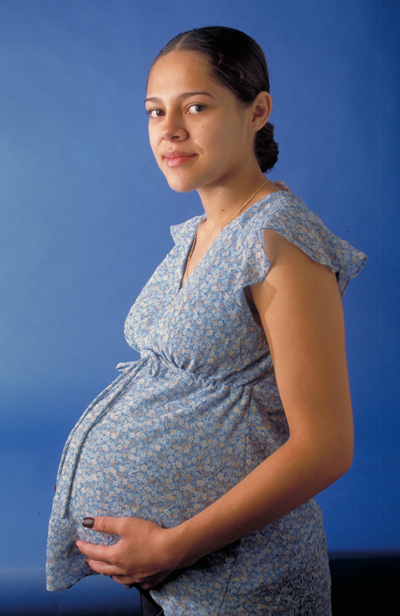
Safe prenatal care and medical considerations during pregnancy. Photo licensed from Unsplash/Pexels.
The key principle is that pregnancy safety depends on three factors: the specific substances administered, the dosages used, and the trimester of pregnancy. The American College of Obstetricians and Gynecologists (ACOG) provides guidance on medication and supplement safety during pregnancy, using an evidence-based approach[2].
Basic IV hydration therapy using isotonic solutions like normal saline (0.9% sodium chloride) or lactated Ringer's solution is considered safe throughout pregnancy and is routinely used in obstetric care[3]. These crystalloid solutions help restore fluid balance without introducing substances that could affect fetal development.
FDA Pregnancy Categories (Historical Reference)
While the FDA replaced pregnancy letter categories in 2015 with narrative descriptions, understanding these categories helps contextualize safety information:
- Category A: Controlled studies show no risk to fetus
- Category B: Animal studies show no risk, but human studies lacking OR animal studies show risk but human studies do not
- Category C: Risk cannot be ruled out; use only if potential benefit justifies potential risk
- Category D: Positive evidence of risk; may be acceptable if benefits outweigh risks in serious conditions
- Category X: Contraindicated in pregnancy; risks outweigh any possible benefit
Which IV Treatments Are Safe During Pregnancy
When properly formulated and administered under medical supervision, the following IV therapies are generally considered safe during pregnancy. However, individual medical clearance from your OB-GYN is still required.
1. Basic Hydration Therapy
Isotonic saline solutions are the safest and most commonly used IV therapy during pregnancy[4]. These include:
- Normal Saline (0.9% NaCl): Identical to the salt concentration in blood, safe throughout pregnancy
- Lactated Ringer's Solution: Contains electrolytes (sodium, potassium, calcium, chloride, lactate) in physiologic ratios
- Dextrose Solutions: Can be added for energy support when caloric intake is inadequate
These solutions restore fluid volume, correct electrolyte imbalances, and support maternal-fetal circulation without introducing medications or supplements that require additional scrutiny.
2. Pregnancy-Safe Vitamins and Minerals
When administered at appropriate doses, the following vitamins and minerals are generally safe during pregnancy:
Safe Vitamins with Proper Dosing:
- Vitamin B6 (Pyridoxine): Commonly used for morning sickness at doses up to 100-200mg daily. Well-established safety profile for pregnancy nausea[5].
- Vitamin B12 (Cobalamin): Essential for fetal neurological development. Safe at standard supplemental doses (1000mcg)[6].
- B-Complex Vitamins: Thiamine (B1), Riboflavin (B2), Niacin (B3), Pantothenic Acid (B5), and Biotin (B7) are generally safe at RDA levels.
- Vitamin C (Ascorbic Acid): Safe at moderate doses (500mg-1000mg). High-dose vitamin C (greater than 2000mg) requires medical approval[7].
- Magnesium Sulfate: Routinely used in obstetrics for preeclampsia prevention and preterm labor. Must be administered under medical supervision with appropriate monitoring[8].
- Calcium: Essential for fetal bone development. Safe at recommended pregnancy doses.
3. Anti-Nausea Medications (Under Medical Supervision)
Several anti-nausea medications have established safety profiles for pregnancy use when prescribed appropriately:
- Ondansetron (Zofran): Widely studied for hyperemesis gravidarum. Category B medication with extensive clinical use data[9].
- Metoclopramide (Reglan): Another option for severe nausea, though ondansetron is more commonly preferred.
Note: These medications require prescription and medical supervision. Reputable IV therapy providers will only administer prescription medications with documented physician approval.
Which Treatments to AVOID During Pregnancy
The following IV therapy components should be avoided during pregnancy due to insufficient safety data, potential fetal risks, or lack of medical necessity:
AVOID These IV Treatments During Pregnancy:
- High-Dose Vitamin A: Teratogenic at doses exceeding 10,000 IU daily. Can cause birth defects including craniofacial, cardiac, and central nervous system abnormalities[10].
- Glutathione IV: While oral glutathione from food sources is safe, high-dose intravenous glutathione lacks adequate safety studies during pregnancy. Insufficient data to confirm safety.
- NAD+ Therapy: No published safety studies on NAD+ IV therapy during pregnancy. The effects on fetal development are unknown.
- Weight Loss or Detox Formulations: Pregnancy is not an appropriate time for weight loss interventions. Rapid fat metabolism can release stored toxins.
- Herbal Supplements: Most herbal ingredients lack pregnancy safety data. Avoid IV formulations containing herbs, adaptogens, or botanical extracts.
- Alpha Lipoic Acid (ALA): Insufficient pregnancy safety data for IV administration.
- L-Carnitine (High Dose): While found in food, high-dose IV carnitine has not been adequately studied during pregnancy.
- Chelation Therapy: Absolutely contraindicated during pregnancy. Can mobilize heavy metals that cross the placenta.
General Rule: If a vitamin, mineral, or compound does not have established pregnancy safety data or is not routinely used in obstetric care, it should be avoided during pregnancy.
Morning Sickness and Hyperemesis Gravidarum Treatment
Nausea and vomiting affect 70-80% of pregnant women, typically beginning around week 6 and resolving by week 12-14[11]. However, approximately 0.3-3% of pregnant women develop hyperemesis gravidarum (HG), a severe form characterized by persistent vomiting, weight loss greater than 5% of pre-pregnancy weight, dehydration, and electrolyte imbalances[12].
Hyperemesis Gravidarum: When IV Therapy Is Medically Necessary
IV hydration is a first-line treatment for hyperemesis gravidarum when oral rehydration fails. Hospital-based treatment protocols typically include[13]:
- IV Fluid Resuscitation: 1-2 liters of normal saline or lactated Ringer's to restore intravascular volume
- Electrolyte Replacement: Potassium, magnesium, and other electrolytes as indicated by lab results
- Thiamine (Vitamin B1): 100mg before dextrose administration to prevent Wernicke's encephalopathy in malnourished patients
- Anti-Nausea Medications: Ondansetron, metoclopramide, or promethazine via IV
- Pyridoxine (Vitamin B6): Often combined with doxylamine for nausea control
Mobile IV Therapy for Morning Sickness in Bali
For pregnant women in Bali experiencing moderate morning sickness (not severe HG), mobile IV therapy can provide:
- Rapid hydration when oral intake is difficult
- Vitamin B6 for nausea relief (evidence-based, pregnancy-safe)
- Electrolyte replenishment (sodium, potassium, magnesium)
- Anti-nausea medication (with OB-GYN prescription)
Requirements: Medical clearance from your OB-GYN is mandatory. Severe HG requires hospital-based care, not mobile IV therapy.
Dehydration Risks During Pregnancy in Bali's Tropical Climate
Pregnancy increases total body water by 6-8 liters to support increased blood volume, amniotic fluid, and fetal-placental circulation[14]. Fluid requirements increase from approximately 2.3 liters daily for non-pregnant women to 3.0 liters daily during pregnancy[15].
Bali's Climate Amplifies Dehydration Risk
Bali's tropical climate presents unique challenges for pregnant women:
- High Temperature: Average temperatures of 26-30 degrees Celsius increase perspiration and insensible fluid losses
- High Humidity (75-85%): Reduces evaporative cooling efficiency, increasing sweat production
- Increased Metabolic Rate: Pregnancy increases basal metabolic rate by 15-20%, generating more heat
- Morning Sickness: Vomiting and nausea reduce oral intake while increasing fluid losses
- Travel Disruption: Changes in routine, unfamiliar foods, and activity levels can affect hydration habits
Signs of Dehydration During Pregnancy
Recognize These Warning Signs:
- Dark yellow or amber-colored urine (should be pale yellow)
- Infrequent urination (less than 4-6 times daily)
- Dry mouth, lips, or skin
- Dizziness or lightheadedness when standing
- Headache or fatigue beyond normal pregnancy tiredness
- Rapid heartbeat or feeling overheated
- Braxton Hicks contractions (dehydration can trigger false labor)
If you experience severe dehydration symptoms (inability to keep fluids down, decreased fetal movement, or signs of preterm labor), seek immediate hospital care.
When IV Hydration Therapy Is Appropriate
IV hydration therapy is medically appropriate for pregnant women in Bali when:
- Oral rehydration is insufficient or impossible due to vomiting
- Moderate dehydration symptoms are present despite increased oral intake
- Traveling or environmental conditions make adequate oral hydration difficult
- Preventive hydration is needed before long activities (wedding, ceremony, excursion)
Trimester-Specific Considerations
The safety and appropriateness of IV therapy varies by trimester due to different stages of fetal development and changing maternal physiology.
First Trimester (Weeks 1-12): Maximum Caution
The first trimester is the most critical period for fetal organ development (organogenesis)[16]. During this time:
- Teratogenic Risk: Weeks 3-8 are most vulnerable to substances that can cause birth defects
- Conservative Approach: Avoid non-essential IV treatments; only medically necessary hydration and prescribed medications
- Morning Sickness Peak: Weeks 6-12 are when nausea and vomiting are most severe, potentially requiring IV hydration for hyperemesis
First Trimester IV Therapy Recommendations:
- Safe: Basic hydration (normal saline, lactated Ringer's) when medically needed
- Generally Safe with MD Approval: Vitamin B6 for nausea, prescribed anti-nausea medications
- Avoid: All wellness or elective IV formulations; stick to medically necessary treatments only
Second Trimester (Weeks 13-27): More Flexibility
The second trimester is generally considered the safest period for medical interventions:
- Organogenesis Complete: Major organs have formed, reducing teratogenic risks
- Morning Sickness Resolved: Most women feel better and can maintain oral hydration
- Energy Improvement: Fatigue typically decreases compared to first trimester
- Travel-Friendly Period: Many women travel during second trimester (Bali babymoon trips)
Second trimester is when pregnancy-safe IV hydration therapy is most commonly used for:
- Dehydration from tropical climate exposure
- Energy support during travel
- Maintaining hydration during active days (touring, beach activities)
Third Trimester (Weeks 28-40): Monitoring Required
The third trimester requires careful monitoring due to:
- Increased Blood Volume: Plasma volume peaks at 30-50% above baseline, affecting fluid balance
- Preeclampsia Risk: Careful fluid management needed in women at risk for or with preeclampsia
- Reduced Mobility: Larger abdomen and physical discomfort can affect activity and hydration habits
- Preterm Labor Considerations: Some symptoms (contractions, back pain) require immediate medical evaluation
Third Trimester Cautions:
- Monitor for signs of fluid overload (swelling, shortness of breath)
- Report any concerning symptoms (decreased fetal movement, contractions) immediately
- Ensure IV provider knows your due date and any pregnancy complications
- Many airlines restrict travel after 36 weeks; plan accordingly
Medical Supervision Requirements in Bali
When seeking IV therapy during pregnancy in Bali, the medical supervision standards must meet or exceed those of your home country. Indonesian medical regulations require that IV therapy be administered by licensed healthcare providers.
Required Medical Qualifications
Verify Your IV Provider Has:
- Licensed Physician (Dokter): Valid SIP (Surat Izin Praktik) - Indonesian medical practice license
- Licensed Nurse: STR (Surat Tanda Registrasi) with IV certification
- Obstetric Experience: Familiarity with pregnancy physiology and pregnancy-safe medications
- Emergency Training: BLS/ACLS certification for managing complications
- Emergency Protocols: Established relationships with local hospitals for emergency referral
Pre-Treatment Assessment Requirements
Before any IV therapy during pregnancy, a comprehensive assessment should include:
- Medical History: Pregnancy history, complications, current medications, allergies
- Current Pregnancy Status: Gestational age, singleton vs. multiples, any complications
- OB-GYN Clearance: Written or verbal approval from your obstetrician (reputable providers will require this)
- Vital Signs: Blood pressure, pulse, temperature assessment
- Symptom Evaluation: Current complaints (nausea, dehydration, fatigue) and severity
- Treatment Plan: Specific IV formulation, rate, duration, and monitoring plan
Hospital Partnerships
Ask if the IV therapy provider has established relationships with local hospitals for emergency referrals. Recommended hospitals in Bali with obstetric services include:
- BIMC Hospital Nusa Dua: International standard obstetric care, English-speaking staff
- Siloam Hospitals Bali: 24/7 emergency and maternity services
- Kasih Ibu Hospital Denpasar: Comprehensive obstetric and gynecological services
Questions About IV Therapy Safety During Pregnancy?
Our licensed medical team includes providers with obstetric experience who can discuss pregnancy-safe IV therapy options. We require OB-GYN clearance before treating expectant mothers.
Questions to Ask Your IV Therapy Provider
Before receiving IV therapy during pregnancy, ask these essential questions to ensure safety and appropriate care:
Essential Questions:
- 1. Do you require OB-GYN clearance before treating pregnant patients?
Red flag if the answer is no. Reputable providers will require medical approval.
- 2. What specific ingredients will be in my IV formulation?
Ask for complete ingredient list with dosages. Verify each component is pregnancy-safe.
- 3. What is your experience treating pregnant women?
Look for providers with obstetric knowledge and pregnancy-specific protocols.
- 4. What emergency protocols do you have in place?
Should include epinephrine for allergic reactions, oxygen, and hospital referral network.
- 5. Are your medical staff licensed in Indonesia?
Ask to see SIP (physician license) or STR (nurse license). Don't hesitate to verify credentials.
- 6. Which hospital do you refer to in case of complications?
Should have established relationship with hospital offering obstetric services.
- 7. How will you monitor me during and after treatment?
Should include vital signs monitoring and post-treatment follow-up instructions.
- 8. What symptoms should I watch for after treatment?
Provider should give clear post-treatment guidance and 24/7 contact availability.
When to Seek Hospital Care Instead
Mobile IV therapy is appropriate for mild to moderate dehydration and symptom management in uncomplicated pregnancies. However, certain situations require immediate hospital-based care rather than mobile IV therapy.
GO TO HOSPITAL IMMEDIATELY if you experience:
- Vaginal Bleeding: Any amount of vaginal bleeding during pregnancy requires emergency evaluation
- Severe Abdominal Pain: Sharp, persistent, or cramping pain that doesn't resolve
- Signs of Preeclampsia: Severe headache, vision changes (spots, blurriness), upper abdominal pain, sudden severe swelling
- High Fever: Temperature above 38 degrees Celsius (100.4 degrees Fahrenheit)
- Preterm Labor Signs: Regular contractions before 37 weeks, pelvic pressure, low back pain
- Decreased Fetal Movement: Noticeable reduction in baby's movements (after 28 weeks)
- Severe Dehydration: Inability to keep any fluids down for 24+ hours, extreme weakness, confusion
- Chest Pain or Difficulty Breathing: Could indicate serious complications requiring immediate care
- Severe Swelling: Sudden swelling of face, hands, or feet (especially if accompanied by headache or vision changes)
When in doubt, always err on the side of caution and seek hospital evaluation. Pregnancy complications require specialized obstetric care that mobile IV therapy cannot provide.
Hospital vs. Mobile IV Therapy Decision Guide
| Situation | Mobile IV OK | Hospital Required |
|---|---|---|
| Mild morning sickness with dehydration | Yes | - |
| Severe vomiting, unable to keep anything down 24+ hours | - | Yes |
| Preventive hydration before activity | Yes | - |
| Abdominal pain or cramping | - | Yes |
| Mild dehydration from heat exposure | Yes | - |
| Any vaginal bleeding | - | Yes |
| Energy support during travel (2nd trimester) | Yes | - |
| Fever above 38C / 100.4F | - | Yes |
Frequently Asked Questions
Is IV therapy safe during pregnancy?
IV therapy can be safe during pregnancy when administered under proper medical supervision with pregnancy-safe formulations. Basic hydration IV therapy (normal saline or lactated Ringer's solution) is routinely used in hospitals for pregnant women. However, you must consult your OB-GYN before any IV therapy during pregnancy, as certain vitamins and medications require dose adjustments or should be avoided entirely.
Can IV therapy help with severe morning sickness (hyperemesis gravidarum)?
Yes, IV hydration therapy is a medically recognized treatment for hyperemesis gravidarum (severe morning sickness). When oral intake is impossible due to vomiting, IV fluids can restore hydration, replenish electrolytes, and deliver anti-nausea medication. This treatment is commonly used in hospitals and can be administered at home under medical supervision in Bali.
Which vitamins are safe in IV therapy during pregnancy?
Pregnancy-safe IV vitamins (when properly dosed) include: B-complex vitamins (especially B6 for nausea), vitamin B12, low-dose vitamin C (500mg-1000mg), magnesium sulfate (under medical supervision), and calcium. Vitamins requiring medical approval or dose adjustment include high-dose vitamin C, vitamin A (potentially teratogenic in high doses), and vitamin E. Always consult your OB-GYN for personalized guidance.
What IV treatments should pregnant women avoid?
Pregnant women should avoid: high-dose vitamin A (teratogenic risk), glutathione IV (insufficient safety data during pregnancy), NAD+ therapy (no pregnancy safety studies), weight loss or detox formulations, non-pregnancy-approved medications, and any IV therapy containing herbs or supplements without established pregnancy safety profiles. When in doubt, always consult your healthcare provider.
Do I need my doctor's permission for IV therapy while pregnant?
Yes, you should always obtain your OB-GYN's approval before receiving any IV therapy during pregnancy. This is essential because your doctor knows your complete medical history, pregnancy complications (if any), current medications, and can determine if IV therapy is appropriate for your specific situation. Reputable IV therapy providers will require medical clearance before treating pregnant patients.
Is IV therapy safe in the first trimester of pregnancy?
The first trimester (weeks 1-12) is the most critical period for fetal development. While basic hydration IV therapy is generally safe, this period requires the most caution regarding any medications or supplements. Many providers recommend avoiding non-essential IV treatments during the first trimester unless medically necessary (such as for severe hyperemesis gravidarum). Always consult your OB-GYN before any first-trimester IV therapy.
Can I get IV therapy for dehydration during pregnancy in Bali?
Yes, IV hydration therapy is safe and medically appropriate for treating pregnancy dehydration in Bali's tropical climate. Pregnancy increases hydration needs, and Bali's heat and humidity can accelerate fluid loss. Basic saline or lactated Ringer's solution with electrolytes can restore hydration when oral intake is insufficient. However, severe dehydration with complications should be treated in a hospital setting.
When should I go to the hospital instead of using mobile IV therapy?
Seek immediate hospital care for: severe abdominal pain, vaginal bleeding, signs of preeclampsia (severe headache, vision changes, upper abdominal pain), high fever (above 38 degrees Celsius / 100.4 degrees Fahrenheit), signs of preterm labor, inability to keep down any fluids for 24+ hours, reduced fetal movement, or any symptom that concerns you. Mobile IV therapy is for mild to moderate dehydration and symptom management, not pregnancy emergencies.
Medical References
[1] American College of Obstetricians and Gynecologists. (2020). "Guidelines for Perinatal Care." 8th edition. ACOG Publications.
[2] American College of Obstetricians and Gynecologists. (2017). "Committee Opinion No. 721: Medication Use During Pregnancy and Lactation." Obstetrics & Gynecology, 130(4), e188-e189. PubMed
[3] Dahlenburg, G. W., et al. (1980). "The relation between pregnancy-associated fluid retention and pregnancy-associated hypertension." Australian and New Zealand Journal of Obstetrics and Gynaecology, 20(4), 207-212.
[4] Cheung, K. L., & Lafayette, R. A. (2013). "Renal physiology of pregnancy." Advances in Chronic Kidney Disease, 20(3), 209-214. PubMed
[5] Matthews, A., et al. (2015). "Interventions for nausea and vomiting in early pregnancy." Cochrane Database of Systematic Reviews, (9), CD007575. PubMed
[6] Molloy, A. M., et al. (2008). "Maternal vitamin B12 status and risk of neural tube defects in a population with high neural tube defect prevalence." The Journal of Nutrition, 138(8), 1516-1520. PubMed
[7] Rumbold, A., et al. (2015). "Vitamin C supplementation in pregnancy." Cochrane Database of Systematic Reviews, (9), CD004072. PubMed
[8] Crowther, C. A., et al. (2003). "Magnesium sulphate for preventing preterm birth in threatened preterm labour." Cochrane Database of Systematic Reviews, (4), CD001060. PubMed
[9] McKeigue, P. M., et al. (2015). "Association of ondansetron in pregnancy with oral clefts and cardiac anomalies." JAMA, 314(11), 1143-1149. PubMed
[10] Rothman, K. J., et al. (1995). "Teratogenicity of high vitamin A intake." New England Journal of Medicine, 333(21), 1369-1373. PubMed
[11] Lacroix, R., et al. (2000). "Nausea and vomiting during pregnancy: A prospective study of its frequency, intensity, and patterns of change." American Journal of Obstetrics and Gynecology, 182(4), 931-937. PubMed
[12] Goodwin, T. M. (2008). "Hyperemesis gravidarum." Obstetrics and Gynecology Clinics of North America, 35(3), 401-417. PubMed
[13] American College of Obstetricians and Gynecologists. (2018). "ACOG Practice Bulletin No. 189: Nausea and Vomiting of Pregnancy." Obstetrics & Gynecology, 131(1), e15-e30. PubMed
[14] Lumbers, E. R., & Pringle, K. G. (2014). "Roles of the circulating renin-angiotensin-aldosterone system in human pregnancy." American Journal of Physiology-Regulatory, Integrative and Comparative Physiology, 306(2), R91-R101. PubMed
[15] Institute of Medicine. (2005). "Dietary Reference Intakes for Water, Potassium, Sodium, Chloride, and Sulfate." National Academies Press. NCBI Books
[16] Sadler, T. W. (2011). "Langman's Medical Embryology." 12th edition. Lippincott Williams & Wilkins.
Related Articles
Dehydration in Tropical Climates
Understanding and preventing dehydration in Bali's heat and humidity.
IV Therapy Safety Guide
Complete guide to IV therapy safety, certifications, and protocols.
First-Time IV Therapy Guide
Everything you need to know before your first IV therapy session.
Medical Disclaimer
This article is for informational and educational purposes only and does not constitute medical advice. The information provided is based on published medical research and clinical guidelines but should not replace consultation with qualified healthcare professionals. Pregnancy is a unique medical condition requiring individualized care. Always consult your obstetrician or qualified healthcare provider before receiving any IV therapy during pregnancy. The authors and IV Drip Bali 24 assume no liability for any adverse outcomes resulting from the use of information presented in this article.