Medical Disclaimer: This article provides evidence-based analysis of weight loss IV therapy claims for informational purposes only. It does not constitute medical advice. Always consult qualified healthcare providers before starting any weight loss program or IV therapy. Individual results vary. Sustainable weight loss requires comprehensive lifestyle changes including diet and exercise.
Table of Contents
- 1. The Weight Loss IV Industry: What's Being Sold
- 2. Lipotropic (MIC) Injections: Evidence Review
- 3. L-Carnitine for Fat Burning: What Research Says
- 4. B12 Injections for Metabolism: Fact Check
- 5. Vitamin D and Weight Management
- 6. What Fat Burning IVs Actually Do and Don't Do
- 7. Red Flags in Weight Loss IV Marketing
- 8. What IV Therapy CAN Support
- 9. Evidence-Based Weight Loss Strategies
- 10. Honest Expectations for IV Therapy and Body Composition
- 11. Frequently Asked Questions
Walk into most IV therapy clinics and you'll find weight loss drips prominently featured. Claims range from "fat-burning formulas" to "metabolism-boosting cocktails" promising rapid results. Marketing often suggests these treatments can accelerate weight loss, burn stubborn fat, or overcome metabolic plateaus.
But what does the scientific evidence actually say? Can IV nutrients directly cause fat loss? Do ingredients like L-carnitine, B12, or lipotropic compounds live up to their marketing claims?
This article provides an honest, research-backed analysis of weight loss IV therapy. We'll examine the evidence for popular ingredients, identify misleading marketing tactics, and discuss where IV therapy might legitimately support body composition goals.
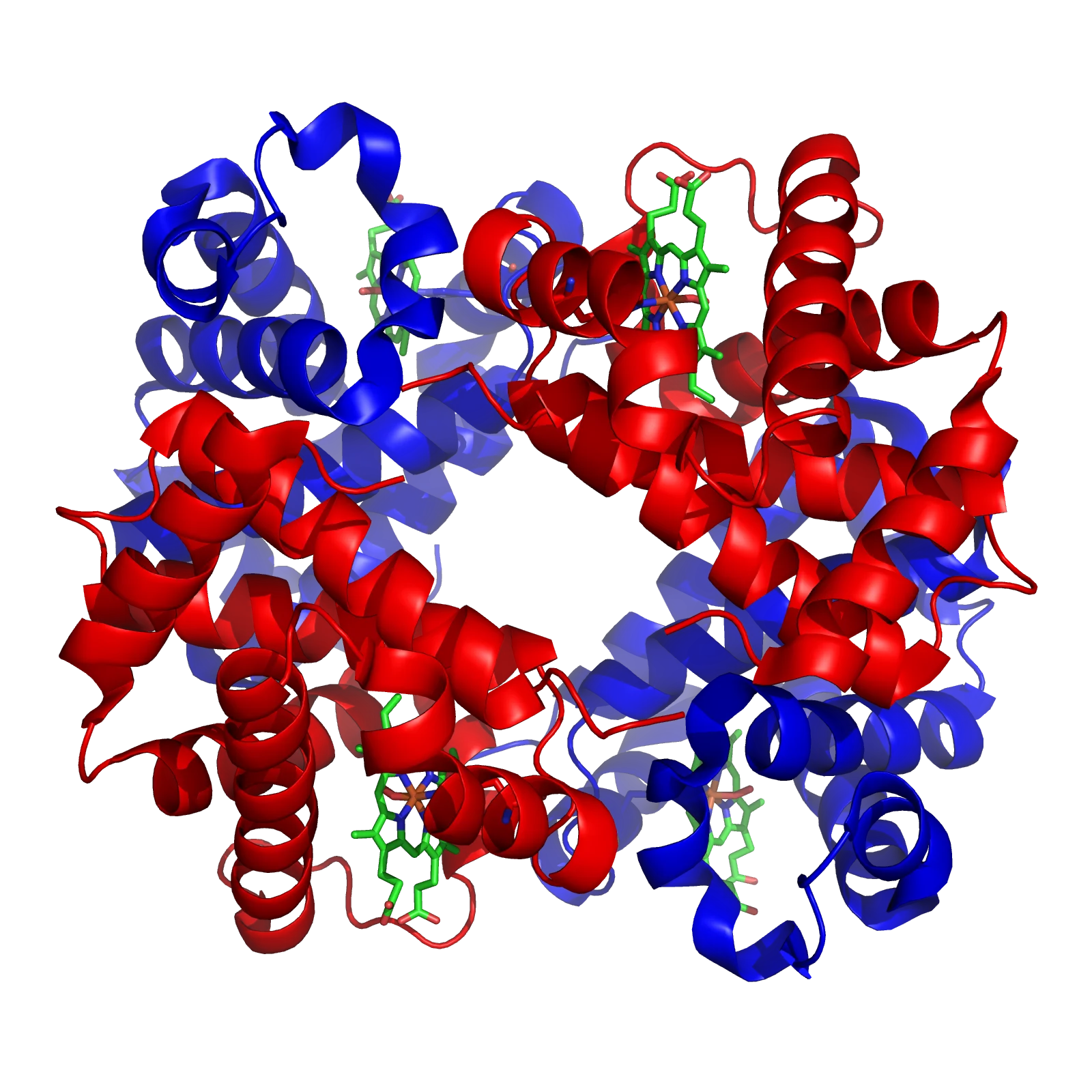
Weight management depends primarily on diet and exercise - IV therapy can only provide supportive nutrient optimization. Source: Wikimedia Commons
1. The Weight Loss IV Industry: What's Being Sold
The weight loss IV market has exploded in recent years, with clinics offering specialized formulations marketed as fat-burning or metabolism-enhancing treatments. Common product categories include:
Popular Weight Loss IV Formulations
- Lipotropic Injections: Combinations of methionine, inositol, choline (MIC), sometimes with B vitamins. Marketed as "fat dissolvers" or "liver cleansers" that enhance fat metabolism.
- L-Carnitine IVs: Amino acid derivative promoted as transporting fatty acids into cells for burning. Often called "fat transport formulas."
- B12 Mega-Dose IVs: High-dose vitamin B12 marketed as metabolism boosters that increase energy expenditure and fat burning.
- Combination Metabolic IVs: Multi-ingredient formulations containing various vitamins, amino acids, and minerals claimed to synergistically enhance weight loss.
- Glutathione + Weight Loss IVs: Antioxidant therapy combined with metabolic nutrients, marketed for detoxification and fat loss.
Marketing for these treatments frequently includes terms like "accelerate metabolism," "burn stubborn fat," "melt away pounds," and "overcome weight loss plateaus." Before-and-after photos are common, though they rarely disclose accompanying diet or exercise programs.
Pricing varies widely, from $50-75 for basic lipotropic injections to $200-400 for comprehensive metabolic IV formulations. Many clinics offer package deals encouraging weekly or bi-weekly treatments for "optimal results."
2. Lipotropic (MIC) Injections: Evidence Review
Lipotropic injections typically contain three primary ingredients—methionine, inositol, and choline (MIC)—sometimes combined with B vitamins. Each component has distinct biochemical functions:
Methionine
An essential amino acid involved in protein synthesis and methylation reactions. Methionine helps produce other important compounds including cysteine and taurine. While necessary for health, there's no evidence that supplemental methionine beyond dietary intake enhances fat metabolism or causes weight loss.
Inositol
A carbocyclic sugar involved in cellular signaling. Inositol plays roles in insulin signal transduction and lipid metabolism. Some research suggests inositol supplementation may improve insulin sensitivity in women with polycystic ovary syndrome (PCOS), but studies have not demonstrated direct fat loss effects in general populations.
Choline
An essential nutrient involved in fat transport from the liver. Choline deficiency can lead to fatty liver disease. However, choline supplementation in non-deficient individuals does not appear to enhance fat metabolism or promote weight loss. Most people obtain adequate choline from diet.
The Evidence Gap
Despite widespread use of lipotropic injections for weight loss, there is a critical lack of high-quality research supporting their effectiveness. A systematic search of medical literature reveals:
- No randomized controlled trials demonstrating clinically significant weight loss from MIC injections alone
- No published studies comparing lipotropic injections to placebo in controlled settings
- No evidence that these injections enhance fat loss beyond dietary restriction and exercise
- Most weight loss attributed to lipotropic programs likely results from concurrent caloric restriction, not the injections
Bottom Line: While methionine, inositol, and choline serve important biological functions, scientific evidence does not support lipotropic injections as effective weight loss treatments. Any benefits observed in clinical settings likely come from accompanying diet and exercise programs, not the injections themselves.
3. L-Carnitine for Fat Burning: What Research Says
L-carnitine is an amino acid derivative that plays a crucial role in energy metabolism by transporting long-chain fatty acids into mitochondria, where they undergo beta-oxidation to produce energy. This legitimate biochemical function has led to marketing claims that L-carnitine supplementation enhances fat burning.
The Physiological Reality
While L-carnitine is necessary for fatty acid oxidation, several factors limit its effectiveness as a weight loss supplement:
- Adequate Endogenous Production: The body synthesizes L-carnitine from lysine and methionine. Most people produce sufficient quantities for normal fat metabolism.
- Saturation Point: Fatty acid transport into mitochondria is rarely the rate-limiting step in fat oxidation. Adding more L-carnitine doesn't accelerate a process already operating at capacity.
- Bioavailability Issues: Oral L-carnitine has poor bioavailability (14-18%), though IV administration achieves higher blood levels.
What the Research Shows
A 2016 meta-analysis published in Obesity Reviews examined nine randomized controlled trials on L-carnitine supplementation and weight loss:
- Average weight loss: 1.33 kg (2.9 lbs) greater than placebo groups
- Effect was modest and inconsistent across studies
- No significant impact on body composition (fat mass vs. lean mass)
- Benefits were most apparent in individuals with L-carnitine deficiency (rare in healthy adults)
Source: Pooyandjoo M, et al. "The effect of (L-)carnitine on weight loss in adults: a systematic review and meta-analysis of randomized controlled trials." Obes Rev. 2016;17(10):970-976.
Studies specifically examining IV L-carnitine for weight loss are extremely limited. While IV administration achieves higher blood concentrations than oral supplementation, there's no evidence this translates to meaningful fat loss enhancement.
Athletic Performance Context: Some research suggests L-carnitine supplementation may reduce exercise-induced muscle damage and improve recovery in athletes. However, these effects are distinct from direct fat loss and require consistent training protocols to manifest.
Bottom Line: L-carnitine plays an important role in fat metabolism, but supplementation—whether oral or IV—produces minimal weight loss effects in healthy individuals with adequate dietary intake. The evidence does not support marketing claims of significant fat burning from L-carnitine IV therapy.
Looking for Honest IV Therapy Guidance?
Our medical team provides evidence-based recommendations without exaggerated weight loss claims. We focus on therapies with proven benefits: hydration, energy support, recovery optimization, and nutrient correction.
WhatsApp Us for Honest Advice4. B12 Injections for Metabolism: Fact Check
Vitamin B12 (cobalamin) is essential for energy metabolism, DNA synthesis, and neurological function. It serves as a cofactor in converting food into usable energy, leading to marketing claims that B12 supplementation "boosts metabolism" and facilitates weight loss.
B12's Actual Metabolic Role
Vitamin B12 participates in two critical metabolic reactions:
- Methylation: B12 helps convert homocysteine to methionine, supporting protein synthesis and cellular function.
- Energy Production: B12 is required for metabolizing fats and proteins into energy in the citric acid cycle.
These functions are essential for health, but they operate at baseline efficiency when B12 levels are adequate. Adding more B12 doesn't accelerate these processes beyond normal capacity.
The Deficiency vs. Sufficiency Distinction
This is the critical point most weight loss IV marketing ignores:
- In B12-Deficient Individuals: Supplementation corrects metabolic dysfunction, potentially improving energy levels and reducing fatigue. This may indirectly support weight loss by enabling increased physical activity.
- In B12-Sufficient Individuals: Additional B12 provides no metabolic benefit. The body excretes excess water-soluble B12 in urine. More is not better once adequacy is achieved.
B12 deficiency is relatively uncommon in people who consume animal products (meat, dairy, eggs). Risk groups include strict vegans, older adults with reduced gastric acid, individuals with pernicious anemia, and those with malabsorption disorders.
What Studies Show
Systematic reviews of B12 supplementation and weight loss consistently find:
- No direct weight loss effect from B12 in individuals with normal B12 status
- No evidence that high-dose B12 increases metabolic rate or caloric expenditure
- Subjective energy improvements in deficient individuals, but not fat loss
- The perceived weight loss association likely reflects correlation (people taking B12 are often also dieting) rather than causation
The Placebo Effect: B12 injections may produce subjective energy improvements even in non-deficient individuals due to expectation effects. This perceived boost might encourage increased activity, which could support weight loss indirectly—but the mechanism is psychological, not pharmacological.
Bottom Line: B12 is essential for metabolism, but supplementation beyond correction of deficiency does not boost metabolic rate or cause weight loss. Claims that B12 injections or IVs accelerate fat burning in healthy individuals are not supported by scientific evidence.
5. Vitamin D and Weight Management
Vitamin D has received attention in weight loss research due to observational studies showing associations between vitamin D deficiency and obesity. This has led some IV therapy providers to include vitamin D in weight loss formulations.
The Association vs. Causation Problem
Observational data shows:
- People with obesity often have lower vitamin D levels
- Vitamin D is fat-soluble and can be sequestered in adipose tissue, reducing circulating levels
- Lower physical activity and reduced sun exposure in individuals with obesity may contribute to deficiency
However, correlation does not prove causation. The question is whether vitamin D deficiency causes obesity or whether obesity causes vitamin D deficiency.
Multiple randomized controlled trials have examined whether vitamin D supplementation promotes weight loss. A 2016 meta-analysis of 15 studies published in Nutrition Reviews found that vitamin D supplementation did not produce significant weight loss compared to placebo in most populations.
Some studies suggest vitamin D repletion may modestly improve weight loss outcomes when combined with caloric restriction, particularly in individuals who are both obese and vitamin D deficient. However, the effects are small (typically 1-2 kg difference) and not consistently replicated across studies.
Bottom Line: While maintaining adequate vitamin D status is important for overall health, vitamin D supplementation—including via IV therapy—is not an effective weight loss intervention. Correcting deficiency may provide modest support for comprehensive weight loss programs, but vitamin D alone does not cause meaningful fat loss.
6. What "Fat Burning" IVs Actually Do (and Don't Do)
After reviewing the evidence for individual components, we can now address what weight loss IV formulations actually accomplish:
What They DON'T Do
- Directly burn fat or cause lipolysis
- Increase metabolic rate in metabolically healthy individuals
- Cause significant weight loss without dietary changes
- Overcome thermodynamic energy balance (calories in vs. calories out)
- Target stubborn fat deposits
- Melt away pounds or produce rapid transformation
- Replace the need for diet and exercise
What They Might Do
- Correct nutrient deficiencies that impair energy levels
- Improve subjective energy and motivation (supporting exercise adherence)
- Enhance hydration status
- Support exercise recovery (reducing soreness)
- Provide psychological motivation and accountability
- Work as part of comprehensive programs that include diet and exercise
The Fundamental Weight Loss Principle
No IV therapy can bypass the first law of thermodynamics. Weight loss requires that energy expenditure exceed energy intake over time. The body loses fat when:
- Caloric Deficit: Consistent reduction in caloric intake below total daily energy expenditure
- Sustained Duration: Maintenance of deficit for weeks to months
- Hormonal Environment: Metabolic conditions that permit fat mobilization (adequate sleep, stress management, etc.)
IV nutrients may support these conditions indirectly (by improving energy for exercise, for example), but they cannot replace them.
The most honest assessment: "Fat burning" IVs are, at best, supplementary tools that might support adherence to proven weight loss strategies. At worst, they're expensive placebos that distract from necessary lifestyle changes while providing false hope of easy solutions.
7. Red Flags in Weight Loss IV Marketing
Identifying misleading weight loss IV marketing protects you from wasting money on ineffective treatments. Watch for these warning signs:
Promises of Rapid Weight Loss Without Diet/Exercise
Claims like "lose 10 pounds in 2 weeks" or "burn fat while you sleep" without emphasizing concurrent lifestyle changes are scientifically implausible.
Fat Melting or Calorie Burning Claims
Terms like "melts fat," "burns 500 calories," or "dissolves stubborn deposits" misrepresent how metabolism works. No IV ingredient melts fat.
Guaranteed Specific Weight Loss Amounts
Guarantees like "lose exactly 5kg" or "guaranteed results" ignore individual metabolic variation and the multifactorial nature of weight regulation.
Before/After Photos Without Disclosure
Dramatic transformations presented without disclosing diet, exercise, timeframe, or number of treatments are misleading. Most include comprehensive programs beyond IV therapy.
Proprietary Secret Formulas
Refusal to disclose ingredients or claims of "secret combinations" should raise concerns. Legitimate medical treatments use transparent, evidence-based formulations.
No Medical Oversight or Contraindication Screening
Weight loss IV therapy without medical history review, contraindication assessment, or physician supervision raises safety and credibility concerns.
Emphasis on Detoxification
Claims that IVs "detoxify" or "cleanse" organs to facilitate weight loss are pseudoscientific. Your liver and kidneys perform detoxification naturally without IV assistance.
Legitimate healthcare providers acknowledge the limitations of IV therapy for weight loss, emphasize diet and exercise as primary interventions, and set realistic expectations based on scientific evidence rather than marketing hyperbole.
8. What IV Therapy CAN Support (Energy for Exercise, Recovery)
While IV therapy doesn't directly cause fat loss, it can play legitimate supporting roles in comprehensive body composition programs:
1. Energy Support for Exercise Consistency
Fatigue is a major barrier to consistent exercise. IV therapy may help by:
- Correcting deficiencies (iron, B12, vitamin D) that cause fatigue
- Optimizing hydration status, which affects exercise performance
- Providing B-complex vitamins that support energy metabolism
- Improving subjective energy levels through rapid nutrient delivery
Note: This supports weight loss by enabling exercise adherence, not by directly burning fat.
2. Exercise Recovery Optimization
Faster recovery allows more frequent training, supporting caloric expenditure and muscle preservation. IV therapy may assist through:
- Hydration and electrolyte repletion after intense exercise
- Antioxidants (vitamin C, glutathione) that may reduce oxidative stress
- Amino acids supporting muscle protein synthesis
- Reduction in delayed-onset muscle soreness (though evidence is mixed)
3. Correction of Metabolic Deficiencies
Documented nutrient deficiencies can impair metabolism and energy regulation. IV therapy provides rapid correction of:
- Iron deficiency causing fatigue and reduced exercise capacity
- Vitamin D deficiency potentially affecting muscle function
- B-vitamin deficiencies impairing energy metabolism
- Magnesium deficiency affecting muscle function and recovery
Important: This applies only to individuals with documented deficiencies, not general supplementation.
4. Program Adherence and Psychological Support
The ritual and investment in IV therapy may provide:
- Increased commitment to comprehensive weight loss programs
- Regular check-ins and accountability
- Placebo effects that improve motivation and adherence
- Integration into wellness routines supporting lifestyle changes
While these benefits are real, they're psychological and behavioral rather than pharmacological.
Key Principle: IV therapy works best as a supporting tool within comprehensive programs that prioritize caloric management, resistance training, cardiovascular exercise, sleep optimization, and stress management. It should never be positioned as a primary weight loss intervention.
Science-Based IV Therapy in Bali
We don't promise miracle weight loss. Instead, we offer evidence-based IV therapies that genuinely support your health goals: energy optimization, recovery enhancement, hydration, and nutrient correction. Honest healthcare you can trust.
9. Evidence-Based Weight Loss Strategies That Actually Work
After examining what doesn't work, let's focus on interventions with strong scientific support for sustainable fat loss:
1. Caloric Deficit Through Diet
The Foundation: Weight loss requires consuming fewer calories than you expend. Evidence-based approaches include:
- Moderate Deficit: Reduce daily intake by 500-750 calories for 0.5-1 kg loss per week
- Protein Prioritization: Consume 1.6-2.2g protein per kg body weight to preserve muscle mass
- Whole Food Focus: Emphasize minimally processed foods with high satiety (vegetables, lean proteins, whole grains)
- Flexible Approaches: Various diet strategies (Mediterranean, low-carb, intermittent fasting) can work—choose based on preference and adherence
2. Resistance Training
Critical for Body Composition: Resistance training preserves lean muscle during weight loss and improves metabolic health:
- Frequency: 2-4 sessions per week targeting major muscle groups
- Progressive Overload: Gradually increase weight, reps, or volume over time
- Compound Movements: Focus on squats, deadlifts, presses, rows for maximum efficiency
- Muscle Preservation: Maintains metabolic rate during caloric restriction
3. Cardiovascular Exercise
Caloric Expenditure: Aerobic exercise burns calories and improves cardiovascular health:
- Minimum: 150 minutes moderate intensity or 75 minutes vigorous per week
- Optimal for Fat Loss: 200-300 minutes weekly
- Variety: Walking, jogging, cycling, swimming—choose activities you enjoy
- NEAT: Increase non-exercise activity (walking, taking stairs, standing)
4. Sleep Optimization
Often Overlooked: Inadequate sleep impairs weight loss through hormonal and behavioral mechanisms:
- Target: 7-9 hours of quality sleep nightly
- Hormone Regulation: Sleep deprivation increases ghrelin (hunger) and decreases leptin (satiety)
- Insulin Sensitivity: Poor sleep impairs glucose metabolism
- Adherence: Fatigue reduces exercise consistency and dietary discipline
5. Stress Management
Cortisol and Body Composition: Chronic stress elevates cortisol, which can promote fat storage:
- Evidence-Based Practices: Meditation, yoga, deep breathing exercises
- Lifestyle Factors: Work-life balance, social connection, leisure activities
- Cortisol Management: Reduced stress eating and improved metabolic function
6. Behavior Modification
Long-Term Success: Sustainable weight loss requires changing habits and thought patterns:
- Self-Monitoring: Food logging, weight tracking, progress photos
- Goal Setting: Specific, measurable, achievable targets with accountability
- Environmental Control: Food availability, social support, physical activity opportunities
- Cognitive Restructuring: Addressing emotional eating, all-or-nothing thinking, unrealistic expectations
The Bottom Line on Evidence-Based Fat Loss
These strategies are not glamorous or quick. They require consistent effort over months. But they're supported by decades of research and produce sustainable results that IV therapy alone cannot match.
IV therapy can support these strategies (through energy optimization, recovery, hydration), but it cannot replace them. Prioritize what works, and use IV therapy—if at all—as a supplementary tool.
10. Honest Expectations for IV Therapy and Body Composition
If you're considering IV therapy as part of your body composition goals, here's what to realistically expect:
Realistic Scenario 1: IV Therapy With No Lifestyle Changes
Expected Outcome: Minimal to no fat loss. You may feel temporarily energized or experience placebo effects, but body composition will not meaningfully change.
The thermodynamic reality remains: without a caloric deficit, fat loss cannot occur regardless of what nutrients you receive intravenously.
Realistic Scenario 2: IV Therapy + Comprehensive Program
Expected Outcome: Weight loss results from diet and exercise. IV therapy may provide 10-20% enhancement through better energy, faster recovery, and improved adherence.
For example: If diet and exercise alone would produce 4 kg loss in 8 weeks, adding IV therapy might yield 4.5-5 kg through better program consistency. The IV therapy didn't cause the loss—it supported adherence.
Realistic Scenario 3: Correcting Documented Deficiencies
Expected Outcome: If you have documented deficiencies (iron deficiency anemia, severe vitamin D deficiency, B12 deficiency), correction may significantly improve energy levels and exercise capacity.
This can be transformative for weight loss efforts—but the benefit comes from fixing a specific problem, not from general supplementation.
Cost-Benefit Considerations
Weight loss IV programs typically cost $100-400 per session, with recommendations for weekly or bi-weekly treatments. Over 12 weeks, this totals $1,200-4,800.
Compare this to proven interventions:
- Gym membership: $30-100/month
- Nutrition coaching: $150-300/month
- Personal training: $200-400/month
- Quality food: Varies, but often cost-neutral vs. current spending
Investment in proven interventions (nutrition coaching, personal training) typically yields better results than IV therapy alone.
When IV Therapy May Be Worth Considering
- You have documented nutrient deficiencies verified by blood work
- You're already following evidence-based diet and exercise protocols
- You experience low energy that limits exercise consistency despite adequate sleep
- You're using IV therapy as a supportive tool, not a primary intervention
- You can afford it without sacrificing investment in proven strategies (training, nutrition coaching)
When to Avoid Weight Loss IV Therapy
- The provider promises specific weight loss amounts
- Claims focus on fat burning or metabolism boosting without lifestyle changes
- You're seeking an alternative to diet and exercise
- The cost would prevent investment in proven interventions
- No medical screening or contraindication assessment is performed
- You have no documented deficiencies to correct
11. Frequently Asked Questions
Can IV drips directly cause weight loss?
No IV drip directly causes weight loss. The body loses weight when caloric expenditure consistently exceeds caloric intake. While some IV nutrients may support metabolic processes or energy levels, they cannot bypass the fundamental energy balance equation. Research shows no IV therapy independently produces clinically significant fat loss without dietary and lifestyle changes.
Do lipotropic (MIC) injections burn fat?
The evidence for lipotropic injections (methionine, inositol, choline) directly burning fat is weak. While these nutrients play roles in fat metabolism, controlled studies have not demonstrated significant weight loss from lipotropic injections alone. Any benefits likely come from concurrent diet and exercise programs, not the injections themselves.
Does L-carnitine IV therapy help with fat burning?
L-carnitine transports fatty acids into mitochondria for energy production, but research on L-carnitine supplementation for weight loss shows inconsistent and modest results. A meta-analysis found an average weight loss of only 1.33 kg compared to placebo. Most people produce adequate L-carnitine naturally unless deficient. IV administration does not appear to offer significant advantages over dietary intake for fat loss.
Will B12 injections boost my metabolism and help me lose weight?
B12 is essential for energy metabolism, but B12 supplementation only improves energy and metabolic function in people who are deficient. For individuals with normal B12 levels, additional B12 does not increase metabolism or cause weight loss. Studies consistently show no weight loss benefit from B12 supplementation in non-deficient individuals.
What CAN IV therapy legitimately support for body composition goals?
IV therapy can support weight loss efforts by: improving energy levels for consistent exercise (through hydration and B-complex vitamins), enhancing exercise recovery (reducing soreness and fatigue), correcting nutrient deficiencies that impair metabolism, and supporting adherence to diet and exercise programs. IV therapy works best as a supportive tool alongside proven weight loss strategies.
How can I identify misleading weight loss IV marketing?
Red flags include: promises of rapid weight loss without diet or exercise, claims that drips "melt fat" or "burn calories", guaranteed specific weight loss amounts, before/after photos without diet/exercise details, claims that bypass energy balance principles, lack of ingredient transparency, and absence of medical oversight or contraindication screening.
What are evidence-based weight loss strategies that actually work?
Proven weight loss strategies include: caloric deficit of 500-750 calories daily for 0.5-1 kg loss per week, resistance training 2-4 times weekly to preserve muscle mass, cardiovascular exercise 150-300 minutes weekly, adequate protein intake (1.6-2.2g per kg body weight), sufficient sleep (7-9 hours nightly), stress management, and behavior modification. These approaches are supported by decades of research and consistently produce sustainable results.
Should I consider IV therapy as part of my weight loss plan?
IV therapy may be a useful adjunct if you experience low energy preventing exercise consistency, documented nutrient deficiencies, poor exercise recovery, or difficulty maintaining diet adherence. However, IV therapy should never replace diet and exercise as primary interventions. Set realistic expectations: IV therapy can support your efforts but will not produce independent fat loss.
Honest IV Therapy, Realistic Expectations
We believe in transparency over marketing hype. Our IV therapies focus on proven benefits: hydration, energy support, recovery optimization, and nutrient correction. No false promises. Just honest healthcare.
Contact Us on WhatsAppScientific References
- [1] Hall KD, et al. (2012). "Energy balance and its components: implications for body weight regulation." American Journal of Clinical Nutrition, 95(4), 989-994.PubMed
- [2] Jeukendrup AE. (2014). "A step towards personalized sports nutrition: carbohydrate intake during exercise." Sports Medicine, 44 Suppl 1, S25-S33.PubMed
- [3] Trexler ET, et al. (2014). "Metabolic adaptation to weight loss: implications for the athlete." Journal of the International Society of Sports Nutrition, 11, 7.PubMed
- [4] Obesity: preventing and managing the global epidemic. (2000). World Health Organization Technical Report Series, 894.PubMed
- [5] Johnston CS. (2005). "Strategies for healthy weight loss: from vitamin C to the glycemic response." Journal of the American College of Nutrition, 24(3), 158-165.PubMed