If you're visiting or living in Bali with eczema, psoriasis, or acne-prone skin, you've likely noticed changes in your skin since arriving in the tropical climate. The combination of high humidity, intense heat, strong sun exposure, and dietary shifts can significantly impact chronic skin conditions - sometimes for better, often for worse.
As IV therapy becomes increasingly popular for wellness and beauty purposes, many people wonder whether intravenous treatments might help manage their skin conditions in Bali's challenging environment. This comprehensive guide examines the evidence honestly, discussing what IV therapy can realistically offer for skin health and where conventional dermatological treatments remain essential.
1. Bali's Climate Effects on Skin: Humidity, Heat, and Sun
Bali's tropical climate creates a unique environment for skin health. Understanding these environmental factors helps explain why skin conditions may change dramatically when you arrive on the island.
Bali's Climate Characteristics
Humidity
- Average: 70-90% year-round
- Wet season: 80-95%
- Dry season: 70-85%
- Higher in coastal areas
Temperature
- Average: 26-30°C (79-86°F)
- Minimal seasonal variation
- Hot year-round
- Cooler in highlands (Ubud)
Sun Exposure
- UV Index: 11-12+ (extreme)
- 8-9°S latitude (near equator)
- Intense year-round sun
- Quick burning time
How Climate Affects Skin Physiology
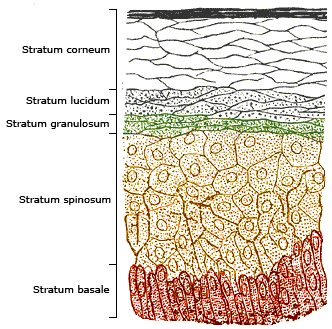
The three layers of human skin: epidermis, dermis, and subcutaneous tissue. Skin conditions like eczema and psoriasis affect the epidermis and dermis. Source: Wikimedia Commons, Public Domain
High Humidity Effects
- Reduced transepidermal water loss - skin retains moisture better
- May reduce dry, scaly skin in some conditions
- Less need for heavy moisturizers
- Promotes bacterial and fungal growth on skin surface
- Increased sweating can irritate inflamed skin
- May worsen conditions triggered by Malassezia (fungal) overgrowth
- Can make occlusive skincare products feel uncomfortable
Heat and Sweating
- Sweat contains salt, urea, and other compounds that can irritate inflamed skin
- Heat dilates blood vessels, potentially worsening redness and inflammation
- Increased core body temperature may trigger eczema flare-ups in some people
- Sweat can accumulate in skin folds, promoting bacterial growth
- Heat-induced scratching worsens eczema and psoriasis
Intense Sun Exposure
- Vitamin D production supports immune regulation and may reduce inflammation
- UV exposure can have therapeutic effects on psoriasis (phototherapy mechanism)
- Some people with eczema see improvement with moderate sun exposure
- UV radiation causes oxidative stress and inflammation
- Sunburn can trigger psoriasis flares (Koebner phenomenon)
- Sun damage accelerates skin aging
- Sunscreen usage may clog pores and worsen acne
- Some medications for skin conditions increase sun sensitivity
Individual Variability is Key
It's crucial to understand that people respond differently to tropical climates. Some individuals with eczema or psoriasis experience significant improvement in Bali's environment, while others see severe worsening. There's no universal response. Monitor your own skin carefully and adjust your management approach based on how your individual skin responds to the tropical climate.
2. Eczema Flare-Ups in Tropical Climates
Eczema (atopic dermatitis) is a chronic inflammatory skin condition characterized by dry, itchy, inflamed patches. Bali's climate can dramatically affect eczema symptoms, and the effects vary widely between individuals.
Why Eczema May Worsen in Bali
Sweat contains sodium chloride, urea, ammonia, and other compounds that can irritate already compromised skin barriers. In Bali's heat, you sweat constantly, and this prolonged exposure to sweat can trigger intense itching and inflammation in eczematous skin.
High humidity promotes colonization of Staphylococcus aureus bacteria and Malassezia fungi on skin. Both are associated with eczema flare-ups. The warm, moist environment of tropical skin is ideal for these microorganisms to proliferate.
Heat makes itching worse through vasodilation and increased inflammatory mediator release. The itch-scratch cycle becomes more severe in hot climates, leading to skin trauma and worsening eczema.
Traveling often disrupts established skincare routines. You may not have access to your usual products, or heavy moisturizers may feel uncomfortable in the humidity, leading to inadequate skin barrier protection.
Bali exposes you to novel allergens: different pollens, foods, fabrics, cleaning products in accommodations, and personal care products. Any of these can trigger eczema flares in sensitive individuals.
Why Some People Improve in Tropical Climates
- 1.Reduced dry air exposure: For people whose eczema is primarily triggered by dry indoor heating (common in cold climates), Bali's natural humidity can be beneficial.
- 2.Stress reduction: Vacation mode often means lower stress, which can reduce stress-mediated eczema flares.
- 3.Vitamin D production: Sun exposure increases vitamin D synthesis, which has immunomodulatory effects that may reduce eczema severity in some people.
- 4.Removal from home triggers: If your eczema is triggered by specific allergens in your home environment (dust mites, pets, mold), being away may provide relief.
- 5.Less frequent bathing/showering: Paradoxically, the hot climate may lead to less aggressive cleansing, which can benefit eczema by preserving skin oils.
Managing Eczema in Bali
Essential Strategies
- •Rinse off sweat promptly with lukewarm water
- •Use lightweight, non-comedogenic moisturizers
- •Stay in air-conditioned environments when possible
- •Wear loose, breathable cotton clothing
- •Continue prescription medications (topical steroids, etc.)
- •Avoid scratching - keep nails short, use cool compresses
What to Avoid
- •Hot showers or baths (use lukewarm water only)
- •Harsh soaps or body washes with fragrance
- •Prolonged sun exposure without protection
- •Heavy, occlusive creams during daytime heat
- •Chlorinated pools (chlorine is very drying)
- •Discontinuing prescribed treatments without medical advice
When to See a Dermatologist
Seek medical attention if you experience:
- Severe flare-ups that don't respond to your usual treatments
- Signs of infection: oozing, crusting, fever, increased pain
- Widespread severe itching affecting sleep and daily activities
- New rashes or skin changes that don't match your usual eczema pattern
Bali has excellent dermatologists who can adjust your treatment plan for the tropical climate. Don't suffer through severe flares - professional medical care is readily available.
3. Psoriasis and the Vitamin D Paradox
Psoriasis is a chronic autoimmune condition characterized by rapid skin cell turnover, leading to thick, scaly plaques. The relationship between psoriasis and tropical climates like Bali's is complex and somewhat paradoxical.
The Vitamin D Connection
Psoriasis has long been treated with phototherapy (controlled UV light exposure) because UV radiation has immunosuppressive effects that slow down the excessive skin cell production. Additionally, UV exposure stimulates vitamin D synthesis in the skin, and vitamin D has anti-inflammatory and immune-regulating properties beneficial for psoriasis.
Bali's intense equatorial sun provides abundant UV exposure, which theoretically should improve psoriasis. Many people do experience significant improvement when spending time in sunny tropical climates. This is why phototherapy and vitamin D analogs (like calcipotriol) are standard psoriasis treatments.
The Paradox: Why Some People Worsen
1. The Koebner Phenomenon
Psoriasis exhibits the Koebner phenomenon - new psoriatic lesions can develop at sites of skin trauma. Sunburn is a form of skin trauma. Paradoxically, while moderate sun may help psoriasis, excessive sun exposure causing sunburn can trigger new lesions or worsen existing ones.
In Bali's intense sun (UV Index 11-12+), it's easy to get sunburned even with sunscreen, especially for people not accustomed to tropical sun. This sunburn-induced Koebner response can counteract any benefits from vitamin D production.
2. Heat and Sweating Irritation
Just as with eczema, heat and sweat can irritate psoriatic plaques. Sweat accumulation in skin folds or under clothing can trigger itching and scratching, which may worsen plaques through mechanical trauma (another Koebner trigger).
3. Stress from Travel
Stress is a well-known psoriasis trigger. While vacation should reduce stress, the act of traveling - flight disruptions, new environments, dietary changes - can be stressful and potentially trigger flares in some people.
4. Medication Disruption
Some people discontinue their psoriasis medications while traveling, assuming the tropical sun will be sufficient. Abruptly stopping medications like biologics, oral medications, or even consistent topical treatment can trigger rebound flares that may be worse than baseline.
5. Infections
Psoriasis can be triggered or worsened by infections. Bali's tropical environment, along with potential exposure to new pathogens through food, water, or environment, increases infection risk. Strep throat, skin infections, or even traveler's diarrhea can trigger psoriasis flares.
Optimizing Sun Exposure for Psoriasis in Bali
Smart Sun Strategy
- 1. Gradual exposure: Start with 10-15 minutes of sun exposure daily and gradually increase. Don't immediately spend hours in intense tropical sun.
- 2. Morning or late afternoon: Sun between 7-9 AM or 4-6 PM is less intense than midday sun, reducing sunburn risk while still providing UV benefits.
- 3. Protect unaffected areas: Apply sunscreen to areas without psoriasis while allowing limited sun exposure to plaques. This maximizes benefit while minimizing overall skin damage.
- 4. Moisturize after sun: Sun exposure is drying. Apply moisturizer after sun exposure to maintain skin barrier function.
- 5. Monitor carefully: If you notice plaques worsening or new lesions appearing, reduce sun exposure immediately.
Continue Your Medications
Even if you hope Bali's sun will improve your psoriasis, continue your prescribed medications unless specifically advised otherwise by your dermatologist. Many medications work synergistically with sun exposure. Abrupt discontinuation can lead to severe rebound flares. If your psoriasis significantly improves in Bali, consult with your dermatologist about potentially adjusting (not stopping) medications under medical supervision.
4. Acne and Diet Changes While Traveling
Many travelers notice acne flare-ups when visiting Bali, even if their skin is typically clear. The combination of climate, dietary changes, and disrupted routines creates perfect conditions for acne breakouts.
Why Acne Worsens During Bali Travel
1. Dietary Changes
Bali's food scene, while delicious, can be acne-triggering for many people:
- Higher glycemic index foods: White rice, sweet tropical fruits, and sugary drinks cause insulin spikes that can increase sebum production and inflammation.
- More dairy consumption: Many Western foods in Bali incorporate dairy (yogurt bowls, smoothies, coffee drinks), and dairy is linked to acne in susceptible individuals.
- Fried foods: Indonesian cuisine includes many fried items (tempeh, tofu, krupuk). High-fat fried foods may worsen acne through inflammatory pathways.
- Alcohol consumption: Vacation often means more drinking, and alcohol increases inflammation, disrupts hormones, and causes dehydration - all acne triggers.
- Less variety in vegetables: Travelers often eat less fiber and fewer anti-inflammatory vegetables than at home, affecting gut health which influences skin.
2. Heat and Humidity Effects
The tropical climate directly impacts acne through several mechanisms:
- Increased sebum production: Heat stimulates sebaceous glands to produce more oil, which can clog pores.
- Sweat and clogged pores: Sweat mixed with sebum, sunscreen, and dead skin cells creates an ideal environment for pore blockage.
- Bacterial proliferation: Propionibacterium acnes (C. acnes) thrives in warm, humid environments.
- Follicular occlusion: Sweat can physically block hair follicles, trapping bacteria and sebum inside.
3. Sunscreen and Skincare Products
Paradoxically, protecting your skin from Bali's intense sun can trigger acne:
- Heavy sunscreens: Many sunscreens contain comedogenic (pore-clogging) ingredients. You need frequent reapplication in Bali's sun, increasing exposure to these ingredients.
- Product changes: If you forgot your usual products or are trying new local brands, these formulations may not suit your skin.
- Insufficient cleansing: The combination of sunscreen, sweat, and oil requires thorough cleansing, which can be challenging when traveling.
4. Disrupted Sleep and Stress
Travel affects sleep quality and stress hormones:
- Jet lag and poor sleep: Inadequate sleep increases cortisol, which stimulates sebum production and inflammation.
- Disrupted circadian rhythms: Irregular sleep-wake cycles affect skin repair and immune function.
- Stress hormones: Even positive travel stress increases androgens that stimulate oil glands.
5. Water Quality Changes
Bali's water can affect skin health. Tap water quality varies, and some areas have harder water that can dry and irritate skin. Showering in different water may disrupt your skin's microbiome and pH balance.
Managing Acne in Bali's Climate
Dietary Strategies
- ✓Choose brown rice over white rice when possible
- ✓Limit sugary tropical fruit juices and smoothie bowls
- ✓Reduce dairy consumption if you suspect sensitivity
- ✓Increase vegetable intake (Indonesian gado-gado, salads)
- ✓Choose grilled over fried when eating out
- ✓Stay well-hydrated with water (not just coconuts and juices)
- ✓Moderate alcohol consumption
Skincare Strategies
- ✓Use non-comedogenic, mineral-based sunscreens
- ✓Cleanse thoroughly twice daily (gentle, pH-balanced cleanser)
- ✓Rinse face with clean water after sweating
- ✓Use lightweight, oil-free moisturizers
- ✓Continue acne medications (retinoids, benzoyl peroxide, etc.)
- ✓Avoid touching your face with hands
- ✓Change pillowcases frequently
When Acne Requires Medical Treatment
Consider seeing a dermatologist in Bali if you experience:
- Sudden severe acne outbreaks (cystic acne, nodules)
- Acne that's painful or leaving significant scarring
- Lack of response to over-the-counter treatments
- Signs of infection (extreme redness, warmth, pus)
Dermatologists can prescribe oral antibiotics, topical prescription medications, or other treatments to control severe breakouts. Don't let acne ruin your time in Bali - effective treatments are available.
5. Glutathione for Skin Health
Glutathione is a powerful antioxidant produced naturally in the body. IV glutathione has become popular for skin health, with claims ranging from skin brightening to anti-aging. What can it realistically offer for inflammatory skin conditions?
What is Glutathione?
Glutathione is a tripeptide molecule (composed of three amino acids: cysteine, glycine, and glutamate) that serves as the body's master antioxidant. Every cell produces glutathione, and it plays crucial roles in:
- •Neutralizing free radicals that cause oxidative stress and cellular damage
- •Detoxification of harmful compounds through liver metabolism
- •Immune function by supporting T-cell and natural killer cell activity
- •Maintaining other antioxidants like vitamins C and E in their active forms
- •DNA synthesis and repair essential for healthy cell division
Proposed Mechanisms for Skin Benefits
1. Reducing Oxidative Stress
Inflammatory skin conditions like eczema, psoriasis, and acne all involve oxidative stress - an imbalance between free radical production and antioxidant defenses. In theory, boosting glutathione levels could help neutralize free radicals and reduce inflammation. Some research shows increased oxidative stress markers in eczema and psoriasis patients, suggesting antioxidant therapy might be beneficial.
2. Immune Modulation
Since eczema and psoriasis involve immune dysregulation, and glutathione plays roles in immune cell function, IV glutathione might theoretically help modulate immune responses. However, the relationship is complex - glutathione affects many immune pathways, and it's unclear whether simply increasing glutathione levels would have therapeutic effects.
3. Detoxification Support
Glutathione is central to phase II liver detoxification. Some practitioners suggest that poor detoxification contributes to skin inflammation, and that supporting detox pathways with glutathione might improve skin conditions. However, this theory lacks strong scientific support.
4. Melanin Inhibition
Glutathione is known to inhibit tyrosinase, an enzyme involved in melanin production. While this has led to its use for skin lightening (a controversial practice), it's not directly relevant to treating eczema, psoriasis, or acne. However, it does demonstrate that systemic glutathione can affect skin cell function.
What Does Research Actually Show?
| Condition | Evidence Quality | Research Findings |
|---|---|---|
| Eczema (Atopic Dermatitis) | Very Limited | No well-designed clinical trials of IV glutathione for eczema. Some studies show lower glutathione levels in eczema patients, but whether supplementation helps is unknown. |
| Psoriasis | Very Limited | A few small studies suggest antioxidant status is reduced in psoriasis. No high-quality trials of IV glutathione specifically for psoriasis treatment. |
| Acne | None | No research examining IV glutathione for acne treatment. Antioxidants may have some anti-inflammatory effects, but evidence is lacking. |
| General Skin Health | Weak | Small studies suggest potential benefits for skin hydration and photoaging, but most research is on oral glutathione or topical application, not IV. |
The Honest Assessment
While glutathione is biologically important and has theoretical benefits for skin inflammation, there is very little clinical evidence supporting IV glutathione as an effective treatment for eczema, psoriasis, or acne. Most research is:
- Observational (showing correlations, not causation)
- Conducted in cell cultures or animals, not humans
- Using oral or topical glutathione, not IV
- Small, poorly designed studies with high bias risk
This doesn't mean IV glutathione definitely doesn't help - it means we don't have good evidence that it does. For a detailed examination of glutathione research, see our complete glutathione guide.
If You Choose Glutathione IV
If you decide to try IV glutathione for skin health:
- •View it as complementary support, not primary treatment
- •Continue your prescribed dermatological treatments
- •Have realistic expectations - dramatic improvements are unlikely
- •Work with licensed medical professionals who use pharmaceutical-grade glutathione
- •Monitor for any adverse reactions
- •If you have kidney disease, consult your doctor before high-dose glutathione
6. Vitamin C and Collagen Production
Vitamin C is essential for healthy skin. It plays crucial roles in collagen synthesis, wound healing, and antioxidant protection. Many IV therapy clinics offer high-dose vitamin C for skin health. What can it realistically offer for skin conditions?
Vitamin C's Role in Skin Health
Vitamin C is an essential cofactor for enzymes (prolyl hydroxylase and lysyl hydroxylase) that stabilize collagen structure. Without adequate vitamin C, collagen cannot be properly formed. This is why severe vitamin C deficiency (scurvy) causes skin fragility and poor wound healing.
Vitamin C neutralizes free radicals generated by UV radiation, pollution, and inflammation. This antioxidant activity protects skin cells from oxidative damage and may reduce inflammation in conditions like eczema and psoriasis.
Vitamin C supports all phases of wound healing: inflammation, proliferation, and remodeling. For skin conditions involving barrier disruption (eczema) or rapid cell turnover (psoriasis), adequate vitamin C supports skin repair.
Vitamin C inhibits tyrosinase (the enzyme that produces melanin), which can help fade post-inflammatory hyperpigmentation that often remains after acne, eczema, or psoriasis lesions heal.
Vitamin C provides some protection against UV-induced damage when combined with vitamin E. While not a replacement for sunscreen, it may offer additional photoprotection - particularly relevant in Bali's intense sun.
IV Vitamin C vs. Topical vs. Oral
| Delivery Method | Skin Benefits | Evidence Quality |
|---|---|---|
| Topical Vitamin C (L-ascorbic acid serum) | Direct delivery to skin cells. Strong evidence for photoaging, hyperpigmentation, collagen stimulation, and antioxidant protection when applied directly to skin. | Strong |
| Oral Vitamin C (supplements, food) | Prevents deficiency, supports overall collagen synthesis. Essential for basic skin health. Skin benefits are less direct than topical application. | Moderate |
| IV Vitamin C (high-dose infusion) | Achieves very high blood levels. No specific evidence for improving skin conditions. May provide general antioxidant support. | Weak/None |
Why Topical Vitamin C is Most Effective for Skin
Dermatological research strongly supports topical vitamin C over IV or oral routes for direct skin benefits:
- 1.Direct delivery: Topical application delivers vitamin C directly to skin cells where it's needed, achieving much higher concentrations in skin than systemic routes.
- 2.Proven efficacy: Multiple randomized controlled trials show topical vitamin C (10-20% L-ascorbic acid) improves photoaging, fine lines, and hyperpigmentation.
- 3.Cost-effective: A quality vitamin C serum costs $15-80 and lasts 2-3 months, versus $150-300 per IV session with unclear benefits.
- 4.Targeted action: You can apply it exactly where you want benefits, rather than relying on systemic distribution.
Role in Inflammatory Skin Conditions
For Eczema
Vitamin C's role in eczema management is supportive rather than therapeutic:
- Supports skin barrier repair through collagen synthesis
- Antioxidant effects may reduce oxidative stress-mediated inflammation
- Helps heal scratched or damaged eczematous skin
- May reduce post-inflammatory hyperpigmentation (topical application)
- Does NOT replace corticosteroids, calcineurin inhibitors, or biologics
For Psoriasis
Limited evidence for vitamin C in psoriasis treatment:
- No clinical trials showing vitamin C improves psoriasis plaques
- Antioxidant properties theoretically beneficial but unproven
- May support general skin health and healing
- Topical vitamin C may help fade post-psoriatic hyperpigmentation
- Does NOT replace phototherapy, topical steroids, vitamin D analogs, or systemic medications
For Acne
Topical vitamin C has some evidence for acne:
- Anti-inflammatory properties may reduce acne-related inflammation
- Excellent for fading post-inflammatory hyperpigmentation (PIH) from acne
- Supports healing of acne lesions
- Combination with other actives (niacinamide, retinoids) may enhance effects
- Does NOT replace proven acne treatments (retinoids, benzoyl peroxide, antibiotics)
For General Skin Health in Bali
Vitamin C is particularly valuable in Bali's environment:
- Protects against intense UV-induced oxidative stress
- Supports skin repair after sun exposure
- May enhance sunscreen efficacy when used together
- Helps maintain skin barrier function in humid climate
- Supports collagen production to counteract photoaging
Bottom Line on Vitamin C
For skin health, topical vitamin C has far stronger evidence than IV vitamin C.If you're interested in vitamin C for skin benefits:
- 1. First priority: Apply a topical vitamin C serum (10-20% L-ascorbic acid) daily in the morning under sunscreen.
- 2. Second priority: Ensure adequate vitamin C intake through diet (citrus, berries, peppers, leafy greens) or oral supplementation (75-90mg daily is sufficient for most people).
- 3. Optional: Consider IV vitamin C if you want general wellness support and antioxidant benefits, but don't expect it to dramatically improve skin conditions.
For more on IV vitamin C, see our high-dose vitamin C guide.
7. Zinc for Skin Healing and Inflammation
Zinc is an essential mineral involved in numerous biological processes critical for skin health. IV therapy formulations often include zinc, with claims of enhanced wound healing and reduced inflammation. What does evidence support?
Zinc's Critical Roles in Skin Function
Zinc is essential for T-cell development, natural killer cell activity, and cytokine production. It helps regulate inflammatory responses, potentially beneficial for inflammatory skin conditions. Zinc deficiency impairs immune function, increasing susceptibility to skin infections.
Zinc is required for cell division, protein synthesis, and collagen formation - all essential for wound healing. Zinc-dependent enzymes facilitate re-epithelialization (new skin formation over wounds). Deficiency significantly impairs healing.
Zinc is a component of superoxide dismutase (SOD), a critical antioxidant enzyme. It also stabilizes cell membranes and protects against oxidative damage. This antioxidant role may help reduce inflammation in eczema and psoriasis.
Zinc is required for the function of over 300 enzymes and 2,000 transcription factors. It's essential for keratinocyte (skin cell) proliferation and differentiation, critical for maintaining healthy skin barrier function.
Zinc may help regulate sebaceous gland activity and reduce sebum production. This is why zinc supplements are sometimes recommended for acne treatment.
Evidence for Zinc in Skin Conditions
Eczema (Atopic Dermatitis)
Evidence quality: Moderate but mixed
- Some studies show lower serum zinc levels in eczema patients compared to controls
- A few small trials suggest oral zinc supplementation may improve eczema severity scores
- Topical zinc oxide has anti-inflammatory properties and may help some eczema patients
- However, not all studies show benefit, and effects are generally modest
- Zinc supplementation is most likely beneficial if deficiency is present
Conclusion: May provide supportive benefits, particularly if zinc status is low. Not a primary treatment.
Psoriasis
Evidence quality: Limited
- Some research suggests altered zinc metabolism in psoriasis patients
- Very few clinical trials examining zinc supplementation for psoriasis
- One small study showed potential benefit of oral zinc, but results not replicated
- Topical zinc pyrithione (found in some shampoos) may help scalp psoriasis
- Overall evidence is too limited to draw strong conclusions
Conclusion: Insufficient evidence to recommend zinc specifically for psoriasis treatment.
Acne
Evidence quality: Moderate (strongest of the three conditions)
- Several studies show lower serum zinc levels in acne patients
- Multiple trials demonstrate oral zinc supplementation can reduce acne lesions
- A 2012 systematic review found oral zinc effective for inflammatory acne
- Typical effective dose: 30-45mg elemental zinc daily
- Effects are modest - comparable to oral antibiotics in some studies
- Topical zinc also shows some anti-acne effects
Conclusion: Oral zinc has the best evidence for acne among these conditions, particularly for inflammatory acne.
IV Zinc vs. Oral Zinc
Is IV Zinc Necessary or Superior?
The short answer: For most people, no.
Oral zinc supplements are well-absorbed in healthy individuals (20-40% absorption rate). The majority of research showing benefits for skin conditions used oral zinc, not IV. There's no compelling evidence that IV zinc is more effective than oral supplementation for skin health.
IV zinc may be appropriate for people with severe malabsorption conditions (Crohn's disease, celiac disease, short bowel syndrome), documented severe zinc deficiency requiring rapid correction, or those who cannot tolerate oral zinc (severe GI side effects). For typical skin health purposes, oral supplementation is preferable.
High-dose zinc (especially IV) can cause copper deficiency through competitive absorption, leading to anemia and neurological problems. Excessive zinc can also impair immune function and cause GI symptoms. The upper tolerable limit is 40mg daily for adults; therapeutic doses should be time-limited and monitored.
Practical Recommendations for Zinc and Skin Health
Best Approach to Zinc for Skin
- 1. Ensure adequate dietary intake: Oysters, beef, poultry, beans, nuts, whole grains. Daily requirement: 8mg (women), 11mg (men).
- 2. Consider oral supplementation if deficient: 30-45mg elemental zinc daily for acne; 15-30mg for general skin support. Take with food to reduce GI upset.
- 3. Don't exceed safe limits: Maximum 40mg daily long-term. Higher therapeutic doses should be time-limited (2-3 months).
- 4. Monitor for deficiency signs: Slow wound healing, frequent infections, hair loss, taste changes may indicate deficiency.
- 5. Consider testing if concerned: Serum zinc levels can be tested, though interpretation can be challenging.
When to Avoid or Use Caution
- !Kidney disease: Zinc excretion may be impaired; consult doctor
- !Taking antibiotics: Zinc can reduce absorption of some antibiotics; separate doses by 2+ hours
- !Pregnancy/breastfeeding: Stay within recommended limits (11-13mg daily)
- !Already taking multivitamins: Check zinc content to avoid excessive intake
- !Vegetarian/vegan diets: May need higher intake due to reduced bioavailability from plant sources
Bottom Line on Zinc
Zinc plays important roles in skin health, particularly wound healing, immune function, and inflammation regulation. For acne, oral zinc supplementation has moderate evidence supporting its use. For eczema and psoriasis, evidence is weaker but zinc may provide supportive benefits, especially if deficiency is present. Oral zinc supplementation is generally as effective as IV zinc for skin health purposes and is safer, more convenient, and less expensive.IV zinc should be reserved for specific medical indications, not routine skin care.
8. Hydration and Skin Barrier Function
Of all the potential benefits IV therapy might offer for skin health, hydration is the most straightforward and evidence-based. Proper hydration is essential for skin barrier function, and in Bali's hot climate, maintaining hydration can be challenging.
How Hydration Affects Skin Health
The skin's outermost layer (stratum corneum) acts as a barrier protecting against external irritants, allergens, and pathogens while preventing excessive water loss. Adequate hydration maintains this barrier's structure and function. Dehydration compromises the barrier, making it more permeable to irritants and allergens - particularly problematic for eczema.
Proper hydration supports the function of immune cells in skin (Langerhans cells, T-cells). Dehydration can impair immune surveillance and response to pathogens, potentially worsening inflammatory skin conditions or increasing infection risk.
Cell division, migration, and protein synthesis all require adequate hydration. Dehydrated skin heals more slowly and less effectively. For conditions involving skin damage (scratched eczema, psoriasis plaques, acne lesions), hydration supports healing.
Paradoxically, dehydrated skin can lead to increased oil production as the skin attempts to compensate for water loss. This can worsen acne. Proper hydration helps maintain balanced sebum production.
Dehydration itself triggers inflammatory responses at the cellular level. Maintaining hydration may help reduce baseline inflammation, potentially beneficial for all inflammatory skin conditions.
Dehydration Risk in Bali's Climate
Why Dehydration is Common in Bali
Impact of Dehydration on Skin Conditions
Eczema
- Compromised skin barrier allows easier penetration of irritants and allergens
- Increased transepidermal water loss worsens dryness
- Dry skin triggers itching, leading to scratch-itch cycle
- Reduced skin elasticity and increased fragility
- Slower healing of eczematous lesions
Psoriasis
- Dehydration may trigger flare-ups in some individuals
- Dry plaques become thicker and more scaly
- Increased itching and discomfort
- Cracking and fissuring of plaques (painful and infection risk)
- May reduce efficacy of topical treatments
Acne
- Dehydrated skin may increase compensatory oil production
- Thickened stratum corneum contributes to pore blockage
- Slower healing of acne lesions
- Increased likelihood of post-inflammatory hyperpigmentation
- May make acne treatments (retinoids, etc.) more irritating
IV Hydration vs. Oral Hydration
When IV Hydration is Genuinely Beneficial
- ✓Severe dehydration: Significant fluid deficit (from Bali Belly, excessive alcohol, heat illness) that needs rapid correction
- ✓Inability to tolerate oral fluids: Severe nausea, vomiting, or diarrhea preventing oral rehydration
- ✓Rapid rehydration needed: When you need to feel better quickly (e.g., before a flight) and don't have time for gradual oral rehydration
- ✓Electrolyte imbalances: Significant electrolyte depletion requiring controlled correction
When Oral Hydration is Sufficient (Most of the Time)
- ✓Mild to moderate dehydration: Can be corrected with increased oral fluid intake over hours to days
- ✓Preventive hydration: Maintaining hydration status during Bali stay
- ✓Cost consideration: Oral hydration is essentially free; IV therapy costs $50-150+ per session
- ✓Convenience: No need for medical appointment or IV placement
Optimizing Hydration for Skin Health in Bali
Practical Hydration Strategy
- 1. Increase baseline intake: Aim for 3-5 liters of water daily in Bali's climate (more if very active or consuming alcohol).
- 2. Drink before you're thirsty: Thirst is a late sign of dehydration. Drink regularly throughout the day.
- 3. Monitor urine color: Aim for pale yellow. Dark yellow indicates inadequate hydration.
- 4. Include electrolytes: In high heat with significant sweating, water alone isn't enough. Add coconut water, electrolyte tablets, or a pinch of salt to water.
- 5. Time your intake: Drink water with each meal, upon waking, before bed, and especially before/during/after sun exposure or physical activity.
- 6. Limit dehydrating beverages: Reduce coffee, tea, and alcohol, or compensate with extra water (1:1 ratio with alcohol).
- 7. Eat water-rich foods: Fruits (watermelon, papaya, oranges), vegetables (cucumber, tomatoes), soups contribute to hydration.
- 8. Use a tracking method: Set phone reminders, use a marked water bottle, or use hydration tracking apps.
Hydration + Topical Moisture = Optimal Skin Barrier
For people with eczema or other barrier-compromised conditions, internal hydration alone isn't enough. Combine systemic hydration with topical moisturization:
- Drink adequate water to support systemic hydration and cellular function
- Apply moisturizer within 3 minutes after bathing to lock in water
- Use humectants (hyaluronic acid, glycerin) to draw water into skin
- Apply occlusives (petrolatum, ceramides) to prevent water loss
- Avoid hot showers which strip natural oils and increase water loss
This two-pronged approach - internal hydration plus external moisture barrier - provides optimal support for skin health in Bali's challenging climate.
9. Realistic Expectations for Skin IV Therapy
After examining the evidence for IV therapy's role in managing skin conditions, it's important to set clear, realistic expectations. IV therapy is not a cure for eczema, psoriasis, or acne, but it may provide supportive benefits as part of comprehensive management.
What IV Therapy CAN Realistically Do
- ✓Rapidly correct dehydration: IV fluids quickly restore hydration status, which supports skin barrier function and overall health.
- ✓Provide antioxidant support: Glutathione and vitamin C offer antioxidant protection that may reduce oxidative stress associated with skin inflammation.
- ✓Correct nutrient deficiencies: If you have documented deficiencies in zinc, vitamin C, or B vitamins, IV therapy can quickly restore normal levels.
- ✓Support general wellness: Improved energy, hydration, and nutrient status indirectly benefit skin through supporting overall physiological function.
- ✓Provide rapid recovery support: After severe dehydration from illness or alcohol, IV therapy speeds recovery, which helps skin healing.
- ✓Complement comprehensive care: As part of a complete approach including proper topical treatments, medications, and lifestyle factors, IV therapy may provide additional support.
What IV Therapy CANNOT Do
- ✗Cure chronic skin conditions: Eczema, psoriasis, and acne are complex conditions that cannot be cured by IV therapy alone.
- ✗Replace proven treatments: IV therapy cannot substitute for topical steroids, biologics, retinoids, or other evidence-based dermatological treatments.
- ✗Produce dramatic visible improvements: Don't expect eczema to clear, psoriasis plaques to disappear, or acne to resolve after IV treatments.
- ✗Work for everyone: Individual responses vary dramatically. What helps one person may not help another.
- ✗Provide long-lasting effects: Any benefits from single IV sessions are temporary, lasting hours to a few days, not weeks or months.
- ✗Compensate for poor overall care: IV therapy cannot overcome inadequate sun protection, poor diet, chronic stress, or neglect of basic skin care.
Evidence-Based Hierarchy for Skin Condition Management
For effective management of skin conditions in Bali, prioritize approaches based on evidence strength:
Tier 1: Essential Foundation (Strongest Evidence)
- 1. Prescribed medications: Topical steroids for eczema, vitamin D analogs for psoriasis, retinoids for acne - continue these
- 2. Proper topical skincare: Appropriate cleansers, moisturizers, and barrier repair for your condition
- 3. Sun protection: Daily broad-spectrum SPF 30+ sunscreen, protective clothing, shade-seeking
- 4. Trigger avoidance: Identify and avoid specific triggers for your condition (allergens, foods, stress)
- 5. Adequate hydration: 3-5L water daily in tropical climate
Tier 2: Supportive Interventions (Moderate Evidence)
- 1. Oral zinc supplementation: Particularly for acne (30-45mg daily)
- 2. Topical vitamin C: For post-inflammatory hyperpigmentation and general skin health
- 3. Anti-inflammatory diet: Reduce sugar, dairy (if sensitive), increase vegetables and omega-3s
- 4. Stress management: Meditation, yoga, adequate sleep - stress clearly worsens skin conditions
- 5. Gentle sun exposure: Controlled moderate sun for vitamin D (particularly for psoriasis)
Tier 3: Optional Complementary Support (Weak/Limited Evidence)
- 1. IV hydration: When severely dehydrated or unable to tolerate oral fluids
- 2. IV vitamin C: For general antioxidant support (topical is better for direct skin benefits)
- 3. IV glutathione: For antioxidant support if you choose to try it with realistic expectations
- 4. Probiotics: Some evidence for gut-skin axis, particularly for eczema and acne
- 5. Other supplements: Evening primrose oil, omega-3s, vitamin D (if deficient)
When to Consider IV Therapy for Skin Support
IV therapy for skin conditions makes most sense when:
- ✓You're already doing everything in Tiers 1 and 2 consistently
- ✓You're experiencing acute dehydration that's affecting your skin
- ✓You have documented nutrient deficiencies
- ✓You understand and accept realistic, modest expectations
- ✓You view it as complementary wellness support, not medical treatment
- ✓The cost feels reasonable for the actual benefits provided
- ✓You're working with licensed medical professionals
The Most Important Takeaway
If your skin condition is significantly impacting your quality of life, consult a dermatologist - not an IV therapy clinic.
Bali has excellent dermatologists who can provide proper diagnosis, prescribe evidence-based treatments, and create comprehensive management plans. IV therapy might be a complementary addition to professional dermatological care, but it should never be a substitute for it. Chronic skin conditions require medical expertise, not just wellness interventions.
10. Frequently Asked Questions
Can IV therapy cure eczema or psoriasis?
No, IV therapy cannot cure eczema or psoriasis. These are chronic inflammatory skin conditions with genetic and immune system components that require comprehensive dermatological management. However, IV therapy may provide supportive benefits through hydration, antioxidant support, and addressing nutrient deficiencies that can worsen skin inflammation. It should be viewed as a complementary approach, not a primary treatment.
How does Bali's tropical climate affect eczema?
Bali's high humidity (70-90%) and heat can worsen eczema for many people. Sweat can irritate eczematous skin, while humidity promotes bacterial and fungal growth that may trigger flare-ups. However, some people find warm, humid climates beneficial. The tropical sun exposure also increases vitamin D production, which may have anti-inflammatory effects. Individual responses vary significantly.
Does glutathione IV help with skin conditions?
Glutathione is a powerful antioxidant that may help reduce oxidative stress associated with inflammatory skin conditions. Some studies suggest it may have modest benefits for skin health through reducing inflammation and supporting cellular detoxification. However, evidence specifically for treating eczema, psoriasis, or acne is limited. Effects are typically subtle and should not be expected to replace conventional dermatological treatments. See our glutathione guide for more details.
Can IV vitamin C improve acne in Bali?
IV vitamin C provides antioxidant support and is essential for collagen synthesis, which supports skin healing. However, topical treatments (retinoids, benzoyl peroxide, salicylic acid) and oral medications have much stronger evidence for acne treatment. IV vitamin C may provide supportive benefits for overall skin health and healing, but should not be considered a primary acne treatment. Topical vitamin C serums may be more directly beneficial for skin than IV administration.
Why might acne get worse when traveling to Bali?
Several factors contribute to travel-related acne flare-ups in Bali: dietary changes (more sugar, dairy, fried foods), increased sweating and humidity, disrupted skincare routines, stress from travel, sunscreen usage (which can clog pores), and changes in water quality. The combination of heat, humidity, and altered diet is particularly triggering for acne-prone skin.
Is zinc IV therapy effective for skin healing?
Zinc plays important roles in wound healing, immune function, and reducing inflammation. For people with zinc deficiency, supplementation can improve skin health and healing. However, most people get adequate zinc from diet, and there's limited evidence that IV zinc is superior to oral supplementation for skin conditions. High-dose zinc can interfere with copper absorption and cause side effects. Zinc is best used when deficiency is documented or suspected.
How does dehydration affect skin conditions in tropical climates?
Dehydration impairs the skin's barrier function, making it more vulnerable to irritants, allergens, and pathogens. This can worsen all inflammatory skin conditions including eczema, psoriasis, and acne. In Bali's hot climate, increased sweating can lead to dehydration if fluid intake isn't adequate. Proper hydration through oral fluids or IV therapy helps maintain skin barrier integrity, supports healing, and may reduce inflammation. Hydration alone won't cure skin conditions but is an essential foundation for skin health.
What realistic results can I expect from IV therapy for skin conditions?
Realistic expectations include: improved hydration status which may make skin appear more plump and healthy; support for general wellness which indirectly benefits skin; possible reduction in oxidative stress through antioxidant support; correction of nutrient deficiencies if present. Do not expect: cure of chronic skin conditions; dramatic visible improvements in eczema, psoriasis, or acne; replacement for proven dermatological treatments; or guaranteed results. IV therapy works best as part of comprehensive skin care that includes proper topical treatments, sun protection, stress management, and professional dermatological care. For more on beauty IV treatments, see our beauty IV science guide.
Questions About IV Therapy for Skin Health?
Our medical team provides honest consultations about IV therapy's role in skin health management. We'll help you understand realistic expectations and whether IV treatments might complement your skin care in Bali.
Discuss Skin Health IV SupportScientific References
- [1] Wollenberg A, et al. (2018). "ETFAD/EADV Eczema task force position paper on diagnosis and treatment of atopic dermatitis in adults and children." Journal of the European Academy of Dermatology and Venereology, 32(6), 850-878.PubMed
- [2] Papakonstantinou E, et al. (2012). "Hyaluronic acid: A key molecule in skin aging." Dermato-Endocrinology, 4(3), 253-258.PubMed
- [3] Schagen SK, et al. (2012). "Discovering the link between nutrition and skin aging." Dermato-Endocrinology, 4(3), 298-307.PubMed
- [4] Pullar JM, et al. (2017). "The roles of vitamin C in skin health." Nutrients, 9(8), 866.PubMed
- [5] Gupta M, et al. (2014). "Zinc therapy in dermatology: A review." Dermatology Research and Practice, 2014, 709152.PubMed
Related Articles
Beauty IV Drips: Science vs. Marketing Hype
Evidence-based analysis of beauty IV claims including glutathione, biotin, and collagen
Glutathione IV: Complete Science Guide
Deep dive into glutathione research, mechanisms, and realistic expectations
Dehydration in Tropical Climates
Understanding hydration needs in Bali's heat and when IV therapy is beneficial
IV Therapy Safety Guide
Essential safety information and what to expect from IV treatments