
The Surf Capital of the World
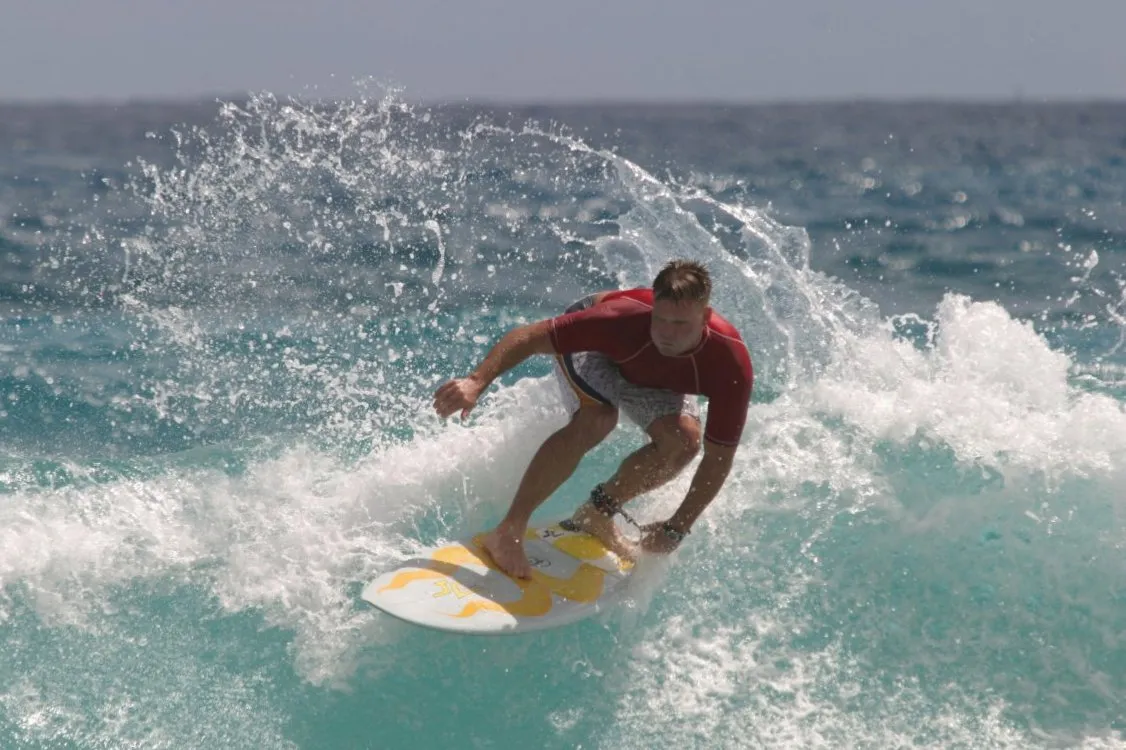
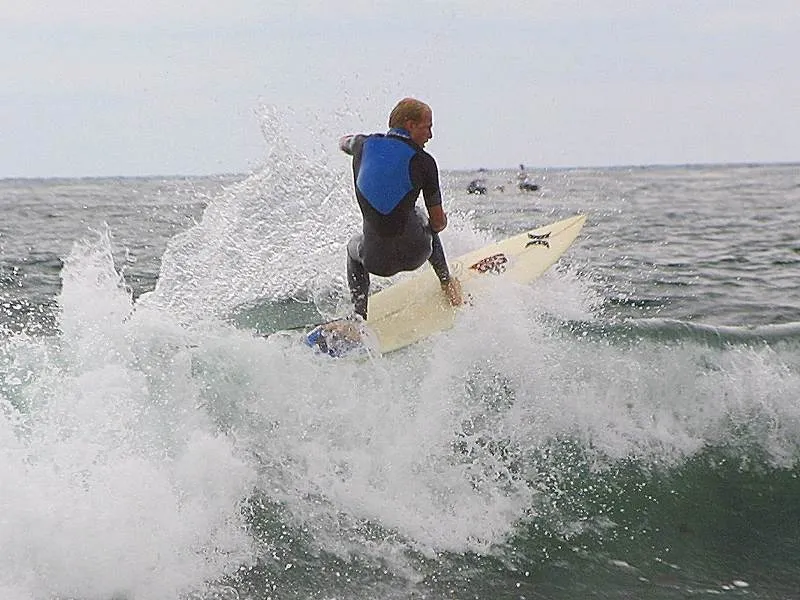
Bali attracts surfers from around the globe with legendary breaks at Uluwatu, Padang Padang, Canggu, and dozens of other world-class spots. Whether you're a beginner catching your first waves at Kuta Beach or an expert charging Uluwatu's barrels, recovery is essential for maximizing your surf trip.
Surfing in tropical conditions creates unique physiological demands. This guide covers the science of surf recovery and practical strategies to keep you paddling strong day after day.
The Physical Demands of Surfing
Surfing is a full-body workout that places significant demands on multiple physiological systems. Understanding these demands is key to optimizing recovery.
Upper Body
- • Paddling - Shoulders, lats, triceps
- • Duck diving - Chest, arms, core
- • Pop-up - Explosive upper body power
Lower Body & Core
- • Balance - Stabilizer muscles
- • Turns - Quads, glutes, calves
- • Core engagement - Continuous stabilization
Research Insight
Studies show that neuromuscular function is highly sensitive to hydration status. Dehydration can lead to altered electromyographic (EMG) activity and reduced muscle fiber conduction velocity - directly impacting your ability to paddle and react.
Electrolyte Balance: The Key to Performance
Surfing in Bali's tropical conditions (27-33°C water and air temperature) causes significant sweat loss, even when you don't notice it. Salt water exposure and sun add additional stress.
Warning Signs of Electrolyte Imbalance
Muscle Cramps
Mid-surf cramps often indicate low magnesium or potassium levels
Fatigue
Unusual tiredness or "heavy arms" during paddling
Dizziness
Light-headedness, especially when duck diving
Key Electrolytes for Surfers
| Electrolyte | Function | Depletion Signs |
|---|---|---|
| Sodium | Fluid balance, nerve function | Headache, nausea, confusion |
| Potassium | Muscle contractions | Weakness, cramping |
| Magnesium | Muscle relaxation, recovery | Cramps, twitching, fatigue |
| Calcium | Bone health, muscle function | Numbness, muscle spasms |
Why Plain Water Isn't Enough
Research confirms that while drinking water is crucial for hydration, water alone does not provide the electrolytes needed to address mineral deficiencies from heavy sweating. Losing sodium and chloride can reduce power, strength, agility, skill, and concentration.
DOMS: Delayed Onset Muscle Soreness
If you've ever felt the ache in your shoulders and back 24-48 hours after a heavy surf session, you've experienced DOMS. This is normal but can limit your ability to surf consecutive days.
What Causes DOMS in Surfers?
- • Eccentric muscle contractions during paddling
- • Micro-tears in muscle fibers from explosive movements
- • Lactic acid buildup during intense paddling
- • Inflammation as part of the repair process
Recovery Strategies
Immediate (0-2 hours)
- • Rehydrate with electrolytes
- • Light stretching
- • Protein + carb snack
- • Cold shower or ocean dip
24-48 hours
- • Massage therapy
- • Active recovery (light movement)
- • Quality sleep (7-9 hours)
- • Anti-inflammatory foods
Tropical Climate Advantage
Interestingly, surfers in colder climates benefit from natural cold therapy that reduces inflammation. In Bali's warm waters, you miss this benefit. Consider cold showers or ice baths post-surf to accelerate recovery.
Surf Day Hydration Strategy
Night Before
Drink 500ml water before bed. Avoid excessive alcohol - it dehydrates and impairs recovery.
Pre-Surf (1-2 hours before)
500ml water with electrolytes. Light, easily digestible breakfast (banana, toast, eggs).
During Session
For sessions over 2 hours, bring water to the beach for breaks. Coconut water is ideal.
Post-Surf (within 30 minutes)
750ml-1L fluid with electrolytes. Protein shake or balanced meal within 2 hours.
IV Therapy for Surf Recovery
Many professional athletes and dedicated surfers in Bali use IV therapy to accelerate recovery and maintain peak performance during intensive surf trips.
When IV Therapy Makes Sense
Ideal Scenarios
- • Multi-day surf trips (5+ days)
- • Double sessions (dawn + sunset)
- • Surf competitions or camps
- • After particularly intense sessions
- • Recovering from illness while surfing
Benefits
- • Rapid rehydration (faster than drinking)
- • Direct electrolyte replenishment
- • B-vitamins for energy metabolism
- • Magnesium for muscle relaxation
- • Reduced DOMS symptoms
Our Athletic Recovery IV
Includes:
- • 1000ml isotonic saline
- • Magnesium chloride
- • B-complex vitamins
- • Vitamin C
- • Amino acids (optional add-on)
Results:
- • Feel effects within 15-30 minutes
- • Treatment takes 20-25 minutes
- • Can surf again same day if needed
- • Mobile service to your villa/hotel
Nutrition for Surf Performance
Post-surf nutrition should combine proteins (for muscle repair) and carbohydrates (to restore glycogen levels). Bali offers excellent options for both.
Best Foods for Surf Recovery in Bali
Coconut Water
Natural electrolytes, potassium
Bananas
Potassium, quick energy
Eggs
Complete protein, B-vitamins
Fresh Fish
Protein, omega-3s for inflammation
Sweet Potato
Complex carbs, vitamins
Avocado
Healthy fats, potassium
Surfer's Tip
Many Bali surf camps and beach warungs serve "nasi campur" (mixed rice) which provides a balanced mix of carbs, protein, and vegetables - perfect post-surf nutrition for under $5.
Maximize Your Surf Trip
Whether you're recovering from an epic session or preparing for tomorrow's dawn patrol, our Athletic Recovery IV helps you perform at your best.
Related Articles
Dehydration Guide
Stay hydrated in Bali's tropical climate.
Hangover Recovery
Recover fast after nights out in Bali.
Wellness Tips
Top 10 tips for staying healthy in Bali.
Medical Disclaimer
This article is for informational purposes only and does not constitute medical advice. If you experience severe symptoms or injuries, seek emergency medical care immediately. Always warm up before surfing and know your limits.